
The fashion industry is rapidly transforming with the integration of Artificial Intelligence (AI) and Virtual Reality (VR). From streamlining design workflows to immersive consumer experiences, these technologies are reshaping how brands create, showcase, and sell fashion. Platforms like Fashion Diffusion are at the forefront, enabling designers to innovate faster, reduce costs, and enhance sustainability.
This article explores the fusion of AI and VR in fashion design, highlighting trends, industry examples, and how Fashion Diffusion is leading the digital fashion revolution.
What is Virtual Reality (VR)?
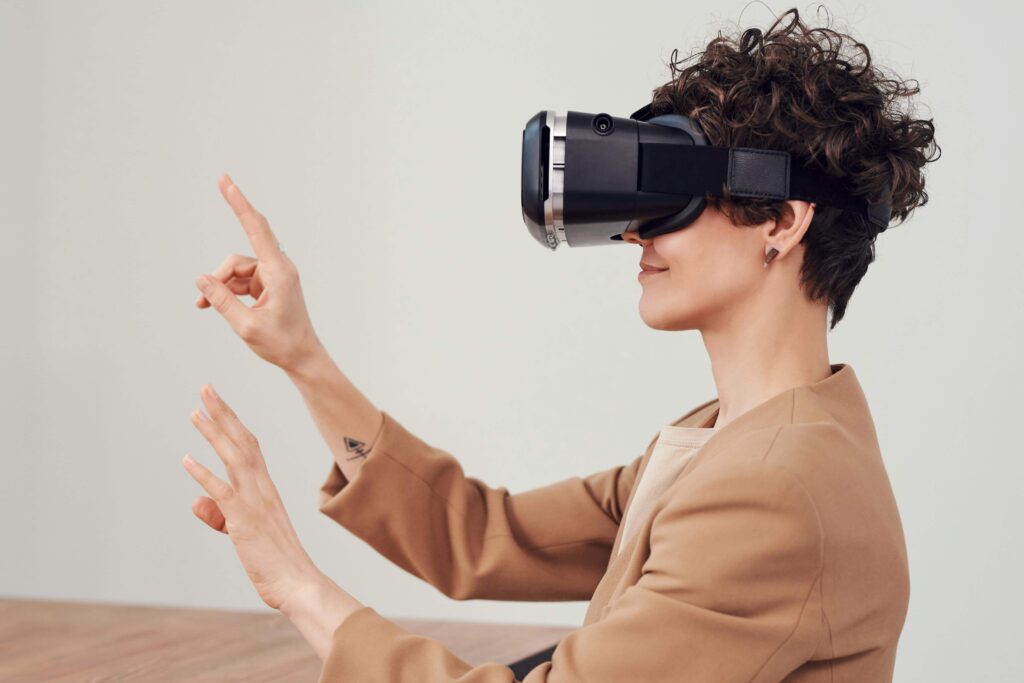
Virtual Reality (VR) is a technology that creates a simulated, immersive environment in which users can interact with 3D digital spaces as if they were real. In the context of fashion:
- VR allows designers to visualize and modify garments in a virtual 3D space before producing physical samples.
- Consumers can use VR to virtually try on clothes, attend digital fashion shows, or explore virtual stores.
- VR makes it possible to experience fashion interactively and immersively, removing geographical constraints and providing a new form of consumer engagement.
Simply put, VR transforms fashion from something you only see or touch physically into an interactive digital experience.
What is Artificial Intelligence (AI)?
Artificial Intelligence (AI) refers to computer systems capable of performing tasks that usually require human intelligence, such as learning, pattern recognition, and decision-making. In fashion, AI applications include:
- Trend prediction: AI can analyze social media, runway shows, and historical collections to forecast popular colors, fabrics, and styles.
- AI Design generation: AI can create multiple versions of a garment design, allowing designers to explore creative options faster.
- Personalized recommendations: AI can suggest garments to consumers based on their preferences, size, and past behavior.
- Digital fabric simulation: AI can render realistic textures, folds, and drapes, helping designers visualize designs without producing physical samples.
AI acts as a creative and analytical assistant, accelerating the design process while providing insights and precision.
AI-Powered Fashion Design: From Inspiration to Garment
AI is revolutionizing fashion design by helping designers work smarter, faster, and more creatively:
Trend Prediction & Idea Generation
AI can identify emerging colors, materials, and patterns by analyzing global fashion data. Data from Heuritech shows that in 2025, consumer interest in sustainable materials and retro-inspired designs increased by 28%, a trend AI helps designers quickly respond to.
Intelligent Iteration
Designers can generate multiple design variations with AI and fine-tune details digitally, reducing the time and cost traditionally required for multiple prototypes.
Digital Fabric Simulation
AI renders realistic material textures, light reflections, and fabric movement, allowing designers to assess garments digitally without producing physical samples.
By integrating AI into the design workflow, designers can explore bold creative ideas while keeping production costs and timelines in check.
Virtual Reality in Fashion: Enhancing Experience and Market Reach
VR and AR are revolutionizing both consumer experiences and brand presentations:
Virtual Try-On
Customers can try garments in a virtual environment, visualizing different colors, patterns, and fits without visiting a store. Luxury brands like Dior and Chanel have already implemented virtual-try-on tools in both online and offline stores.
Digital Fashion Shows
VR enables brands to showcase collections to global audiences without geographic limitations, reducing traditional fashion show costs.
Immersive Brand Experiences
In virtual environments, users can interact with brands, customize garments, or attend virtual events, increasing engagement and loyalty.
AI and VR Combined: Personalization Meets Efficiency
The integration of AI and VR takes digital fashion to the next level:
- Personalized Virtual Fitting Assistants: AI analyzes a user’s body measurements, preferences, and shopping behavior to recommend suitable designs, while VR provides realistic fitting experiences.
- Virtual Collaborative Design: Designers across the globe can collaborate in VR, adjusting AI-generated designs in real time, accelerating product development and market responsiveness.
- Sustainable Practices: Virtual samples and try-ons reduce the need for physical production, cutting down material waste and carbon emissions while maintaining creative freedom.
This combination improves consumer experience, operational efficiency, and sustainability.
AI Fashion Design Tools: Revolutionizing Creativity and Efficiency
AI-powered fashion design tools, such as Fashion Diffusion, are transforming how designers conceptualize, create, and bring garments to market. These tools combine advanced algorithms, machine learning, and 3D visualization to enhance every stage of the design process.
Key Roles of AI Fashion Design Tools
- Trend Analysis and Inspiration: AI scans social media, runway shows, and historical collections to identify emerging trends and consumer preferences, helping designers stay ahead of the market.
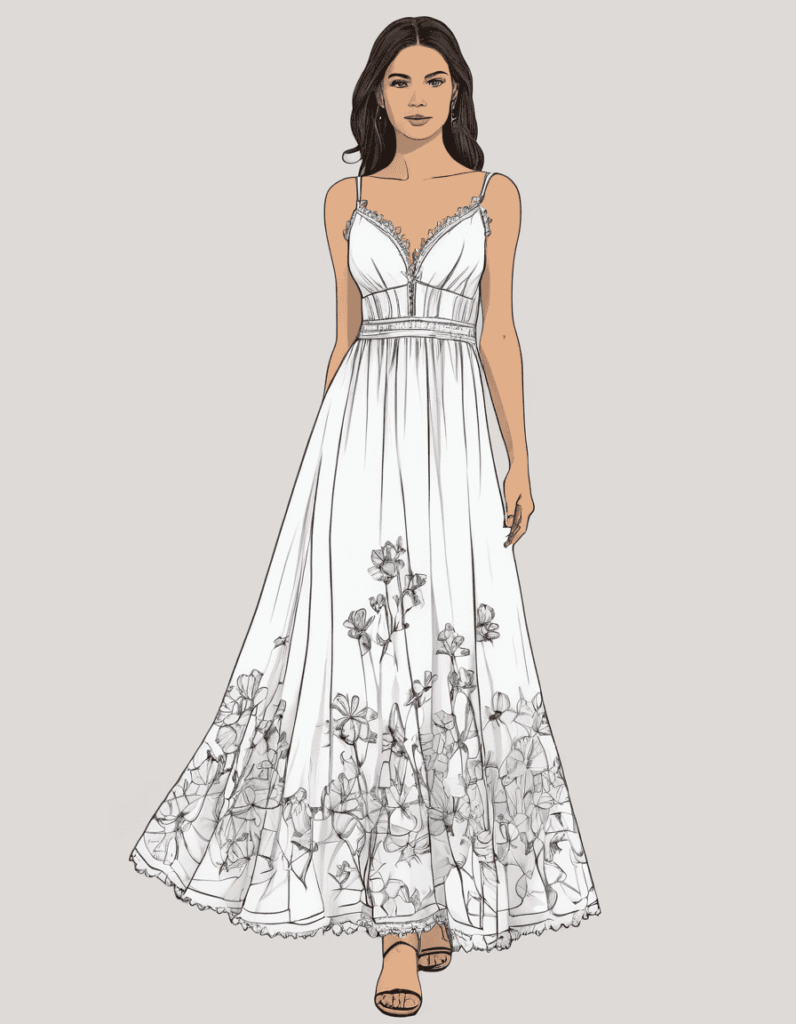
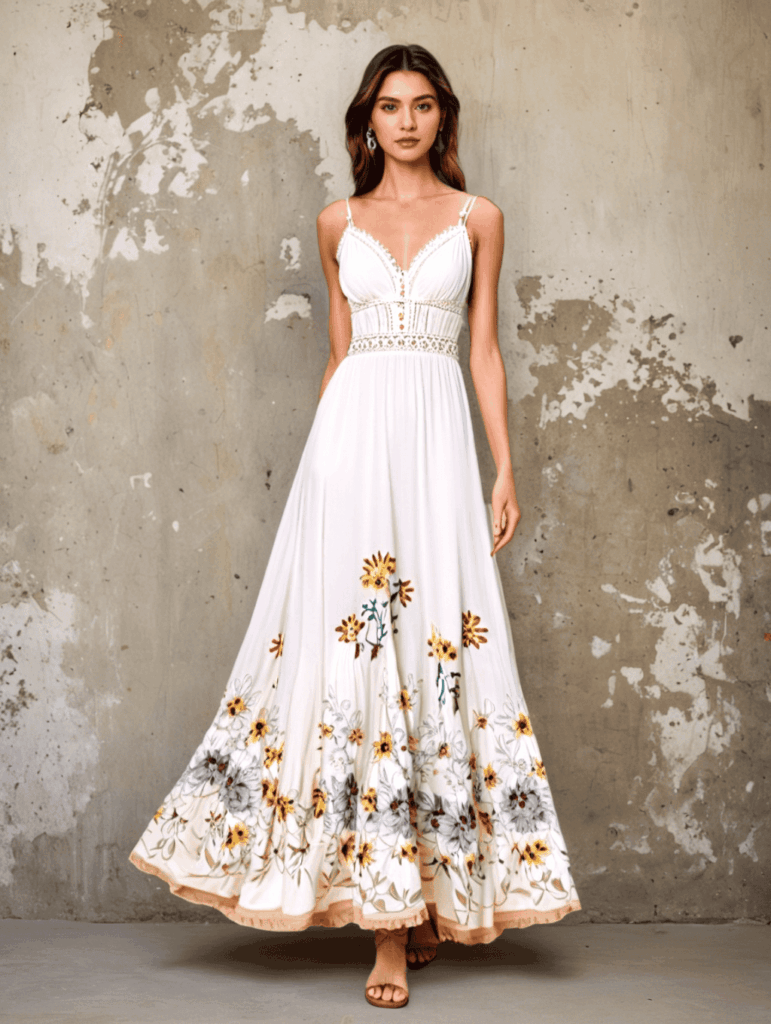
- AI Design Generation: Tools like Fashion Diffusion can produce hundreds of garment variations in minutes, including different fabrics, patterns, and colors, allowing designers to experiment freely.
- Digital Prototyping: AI simulates fabric texture, drape, and movement in 3D, reducing the need for physical samples and accelerating the development cycle.
- Personalization and Consumer Insights: By analyzing user data, AI can suggest customized designs tailored to individual body shapes, style preferences, and shopping behavior.
- Sustainability Support: Digital iteration minimizes material waste, energy consumption, and carbon footprint, aligning creativity with eco-friendly practices.
Industry Examples and Insights: AI & VR in Fashion
Burberry’s Augmented Reality (AR) Shopping Experience
Burberry has launched an immersive AR shopping tool that allows customers to virtually try on products using their smartphones. This technology enables users to see how items like scarves and handbags would look in their environment or on themselves before making a purchase. By leveraging AR, Burberry enhances the online shopping experience, making it more interactive and personalized.
Heuritech’s AI-Driven Fashion Trend Forecasting
Heuritech employs artificial intelligence to analyze vast amounts of social media images and data to predict upcoming fashion trends. Their AI algorithms can identify patterns and shifts in consumer preferences, providing fashion brands with actionable insights for their collections.
Virtual Fashion Shows and Digital Runways
The fashion industry is increasingly adopting virtual fashion shows to reach a global audience. These digital events utilize VR and AR technologies to create immersive experiences where viewers can interact with the collections from the comfort of their homes.
For example, Balenciaga showcased its Fall collection through a fully virtual reality runway, where audiences experienced the show in a gaming-style 3D environment instead of a traditional catwalk.
Conclusion: The Future of AI and VR in Fashion Design
AI and VR are revolutionizing fashion design, making it creative, efficient, personalized, and sustainable. Designers and brands can now create, showcase, and sell fashion in digital-first, immersive experiences.
Platforms like Fashion Diffusion enable the entire process, turning inspiration into digital garments and engaging experiences, defining the future of fashion in 2025 and beyond.
Frequently Asked Questions
Virtual Reality (VR) in fashion design allows consumers and designers to interact with 3D garments in a digital space. Examples include virtual try-on mirrors in Zara stores and fully immersive digital fashion shows created by Bureau Betak.
Artificial Intelligence in fashion is transforming the way designers create and visualize collections. A leading example is Fashion Diffusion, an AI fashion design tool that helps designers generate realistic clothing renders, speed up the creative process, and reduce reliance on costly physical samples.
AI tools minimize fabric waste by replacing multiple physical samples with digital prototypes. This reduces environmental impact and supports sustainable fashion practices.