作者归档 Ethan Davis

Avatar photo 通过Ethan Davis

12 Best AI T-shirt Design Generators That Actually Work

The way T-shirt designs are created is changing fast. What once required advanced design skills, expensive software, and hours of revisions can now be done in minutes using an AI T-shirt design generator.

Whether you are running a print-on-demand store, launching a fashion brand, or simply experimenting with apparel graphics, AI fashion design tools are rapidly becoming part of the workflow.

But what exactly is an AI T-shirt design generator? Is it truly better than traditional design methods? This guide breaks it down clearly on how it works, why it’s gaining traction, how we evaluate these tools, and what you should look for before choosing one.

What Is an AI T-shirt Design Generator?

An AI T-shirt design generator is a tool that uses artificial intelligence to create shirt graphics, mockups, or even full apparel visuals based on text prompts, uploaded images, or design inputs.

Depending on the platform, it can:

  • Generate graphic artwork from text prompts;
  • Create typography-based layouts;
  • Produce realistic T-shirt mockups;
  • Instantly recolor or edit designs;
  • Export print-ready files.

Unlike traditional design software that requires manual creation, AI-based design tools rely on machine learning models trained on massive visual datasets. You just describe what you want, and the tool generates visual outputs within seconds.

Some platforms focus on graphics, while others specialize in apparel-specific rendering, including fabric texture, folds, lighting, and product mockups. The key difference is that AI T-shirt design shifts the workflow from manual execution to creative direction.

Why Designers Are Switching from Traditional T-shirt Design to AI

Fashion brands are increasingly utilizing generative AI tools in design studios to boost creativity, speed up workflows, and improve efficiency.

This shift isn’t just about speed. It’s about efficiency, scalability, and accessibility.

The Traditional Workflow Challenges

Traditional T-shirt design often involves:

  • Learning complex tools like Illustrator or Photoshop;
  • Manually creating every variation;
  • Outsourcing to freelancers;
  • Iterating multiple times for color and layout changes;
  • Rebuilding mockups separately.

Even a relatively simple design can take hours. Creating multiple colorways for testing can double or triple the workload. For brands running frequent drops, the process quickly becomes time-consuming and expensive.

How AI Changes the Process

AI tools compress the entire workflow.

Instead of: Sketch → Vector → Adjust → Recolor → Mockup → Export; You now get: Prompt → Generate → Refine → Export.

Key advantages include:

  • Speed: Designs generated in minutes;
  • Instant variations: Multiple styles and colorways at once;
  • Lower cost: No need for constant outsourcing;
  • Mockup integration: Realistic previews without manual setup;
  • Experimentation freedom: Test bold ideas without heavy investment.

Here’s a simple comparison:

AspectTraditional DesignAI T-shirt Design
Time per Design2 to 5 hours per design2 to 5 minutes
Skill RequirementRequires advanced design software skillsPrompt-based workflow
Color VariationsManual recoloring and adjustmentsInstant variations generated automatically
Mockup CreationRequires separate mockup toolsOften includes integrated mockup generation
Cost StructureHigher outsourcing or software costsLower ongoing design cost

12 AI T-shirt Design Generators Worth Trying

Below are 12 AI T-shirt design generators that can help you create graphics faster, experiment with new styles, and streamline your apparel workflow. Whether you need printable artwork, realistic mockups, or full outfit visualization, these tools offer different strengths to support your design process.

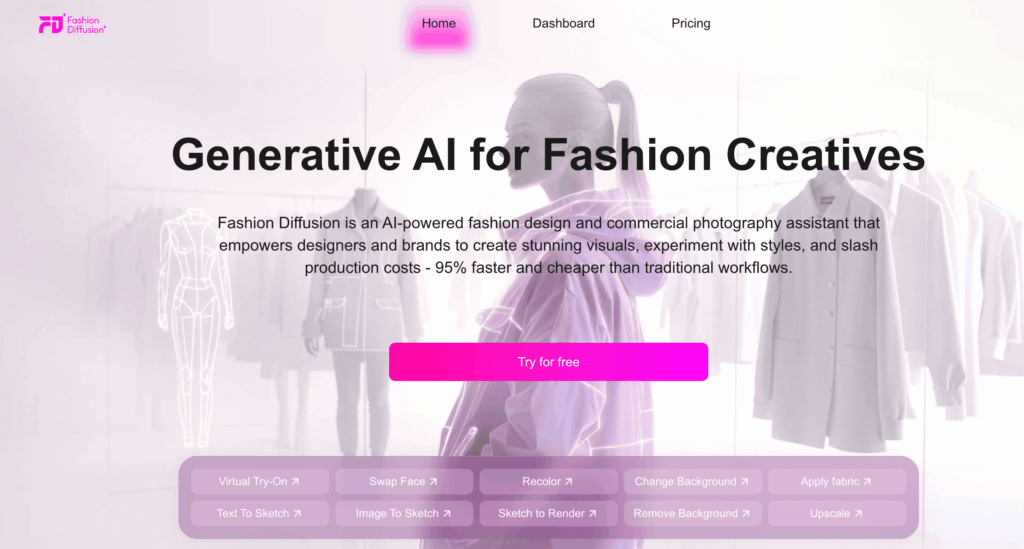
1. Fashion Diffusion

Unlike general AI image generators that focus only on artwork, Fashion Diffusion supports a complete T-shirt design workflow, from generating graphic concepts to applying them onto garments with realistic visualization.
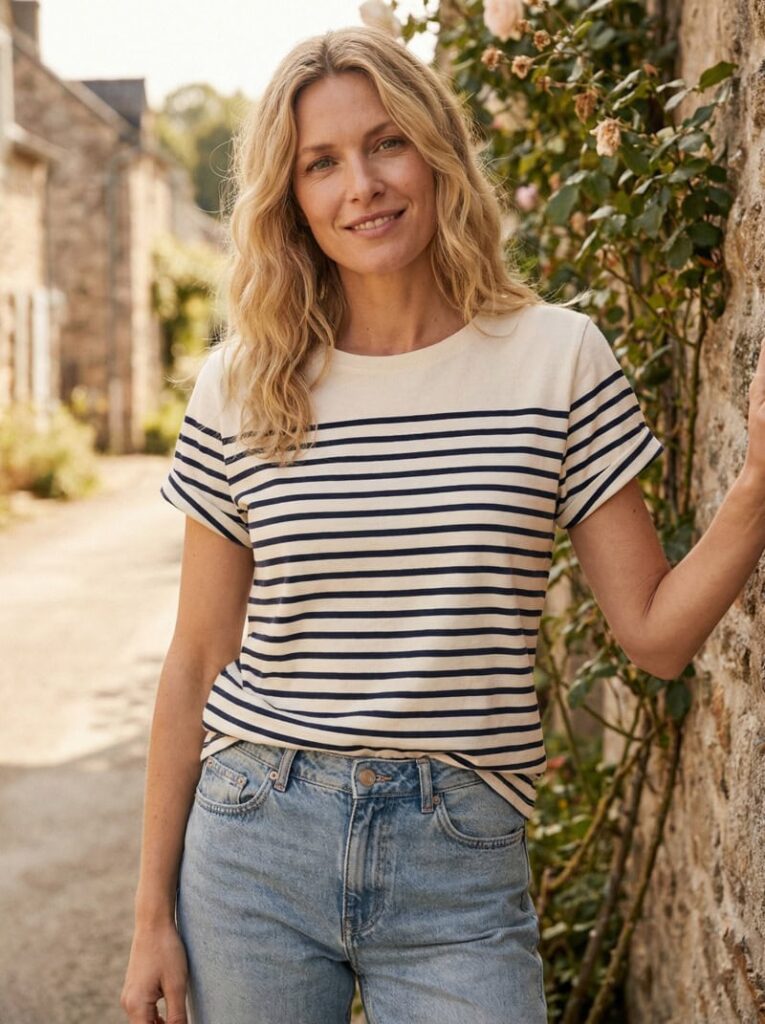
Fashion Diffusion supports a complete T-shirt design workflow.
Fashion Diffusion AI-generated

Key Features

  • AI Outfit Generator: Turn inspiration into production-ready fashion visuals in four steps: Enter your prompt → Optional image-to-prompt → Choose output ratio → Generate outfit. For example, you can create a custom team logo or an event-based design concept. The generated output can then serve as the base artwork for your T-shirt.
  • AI Inpainting: Edit fabrics, colors, silhouettes, and details without reshooting in 3 steps: Upload image → Describe change → Regenerate. This makes it possible to adjust logo size, placement, color, and integration with fabric.

Best Use Case

Entrepreneurs, teams, and fashion brands who want to:

  • Generate custom T-shirt logos or graphics;
  • Apply designs directly onto garments;
  • Create realistic mockups for e-commerce;
  • Test multiple colorways and placements quickly.

2. Canva

Canva approaches T-shirt design from a template-first perspective. Instead of relying heavily on advanced AI generation, it provides an accessible T-shirt maker that allows users to create custom shirt designs for brands, organizations, events, or personal projects.
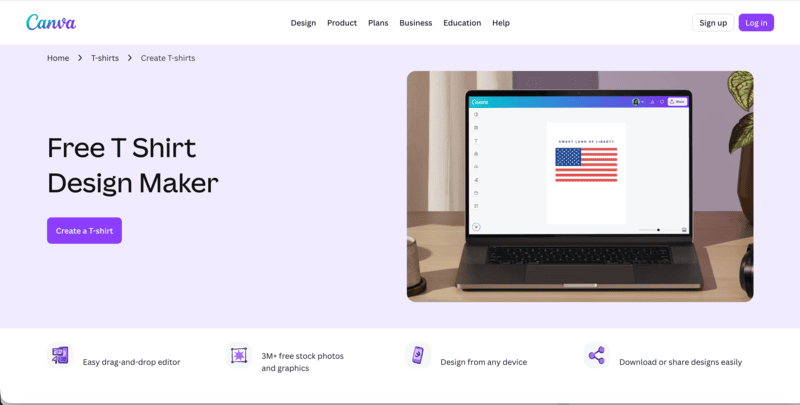
Canva approaches T-shirt design from a template-first perspective.

Users can start from scratch or choose from hundreds of ready-to-print, fully customizable T-shirt templates. The platform combines drag-and-drop editing with built-in graphics, fonts, and layout tools, making the design process simple and beginner-friendly.

How It Works

  1. Launch Canva: Search for T-shirts to access design templates. You can begin immediately or log in to save and manage your designs.
  1. Choose a Template: Browse through pre-designed T-shirt layouts that can be customized to match your brand, event, or theme.
  1. Add and Customize Elements: Insert text, icons, illustrations, and graphics. Adjust fonts, colors, and positioning to personalize your design.
  1. Refine and Personalize: Further edit layout details, spacing, and style to match your intended aesthetic.
  1. Order or Export: Download your design for printing or order directly through Canva’s integrated printing services.

3. createimg

Createimg is built around fast AI-powered T-shirt design creation. It allows users to generate unique shirt graphics simply by describing what they want. Instead of working with templates, the platform focuses on text-to-design generation, making it easy to turn ideas into visual concepts within seconds.
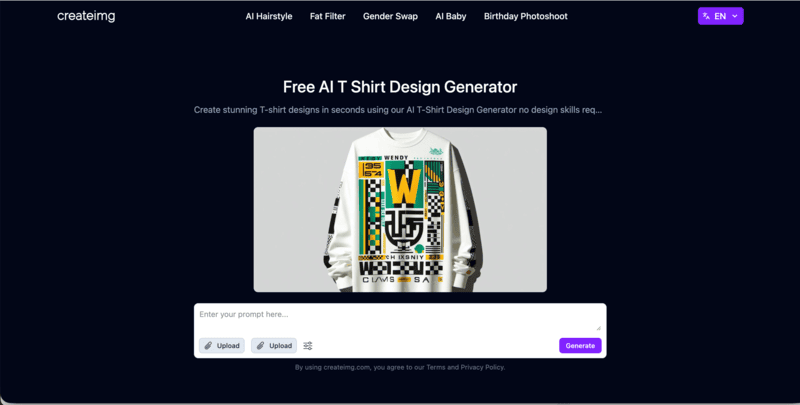
Createimg is built around fast AI-powered T-shirt design creation.

This makes createimg particularly suitable for users who want to explore creative directions quickly without using complex design software.

Key Capabilities

  • Text-to-T-shirt Generation: Create unique T-shirt designs instantly by entering a short description of your idea.
  • Style Flexibility: Experiment with different visual directions, from graphic-heavy designs to clean and minimal layouts.
  • Quick Customization: Adjust colors, fonts, and graphic elements to better match your concept.
  • Fast Export and Sharing: Download designs for printing or share them online for feedback and promotion.

Createimg works best as a rapid concept generator for print-on-demand sellers, entrepreneurs testing niches, or individuals who want a quick and accessible AI T-shirt design solution.

4. ImagineArt

ImagineArt positions itself clearly as an AI T-shirt design generator built for creating custom merch visuals quickly. It allows users to upload a blank T-shirt image or template, add inspiration images or text ideas, and generate polished shirt designs within seconds.
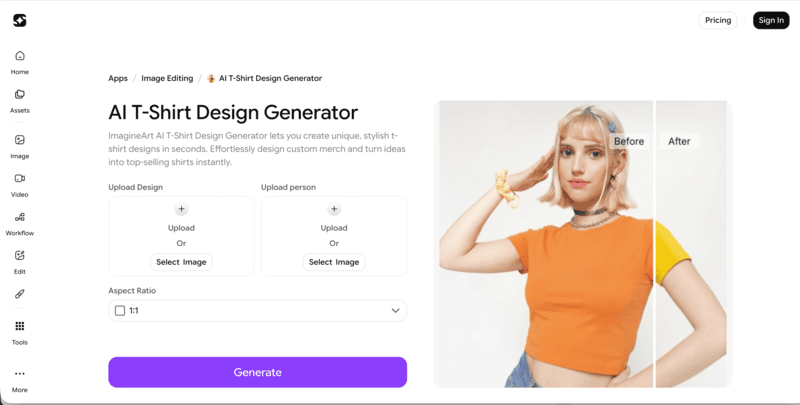
ImagineArt positions itself clearly as an AI T-shirt design generator built for creating custom merch visuals quickly.

The platform also supports uploading sketches, reference graphics, or concept images, which the AI blends into a refined T-shirt design. The output can then be downloaded in high resolution for printing, e-commerce listings, or promotional use.

Key Capabilities

  • Upload-Based Workflow: Start by uploading a blank T-shirt or template to ensure accurate placement and crisp design output.
  • Inspiration Blending: Combine sketches, text ideas, or reference images into a unified, ready-to-preview shirt design.
  • Fast, Repeatable Output: Create multiple designs quickly for campaigns, events, or product drops.
  • Beginner-Friendly Access: Suitable for hobbyists, students, and small business owners experimenting with custom shirts.

5. Kittl

Kittl focuses on typography-driven and style-rich T-shirt design. It combines professionally designed templates, exclusive font collections, and AI-generated artwork, making it especially suitable for creators who want bold quote tees, vintage aesthetics, or brand-focused merchandise.
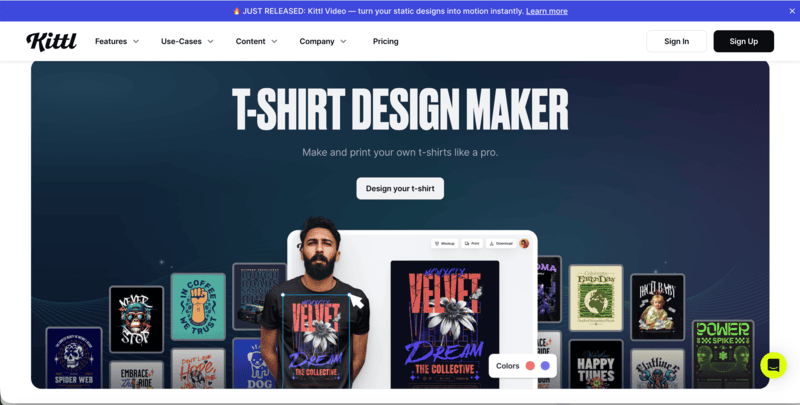
Kittl focuses on typography-driven and style-rich T-shirt design.

Key Features

  • Exclusive Font Library: Access a wide range of distinctive fonts, ideal for impactful quote-based and retro-inspired T-shirt designs.
  • Template-Based Workflow: Choose from thousands of professionally designed T-shirt templates or start from scratch.
  • AI Artwork Generation: Create custom AI graphics in various styles to enhance and modernize your designs.
  • Brand-Ready Design: Upload logos to quickly produce company shirts or cohesive merchandise collections.

6. Krea

Krea is an AI T-shirt design generator designed to create clean, print-ready graphics perfect for T-shirts and merchandise.
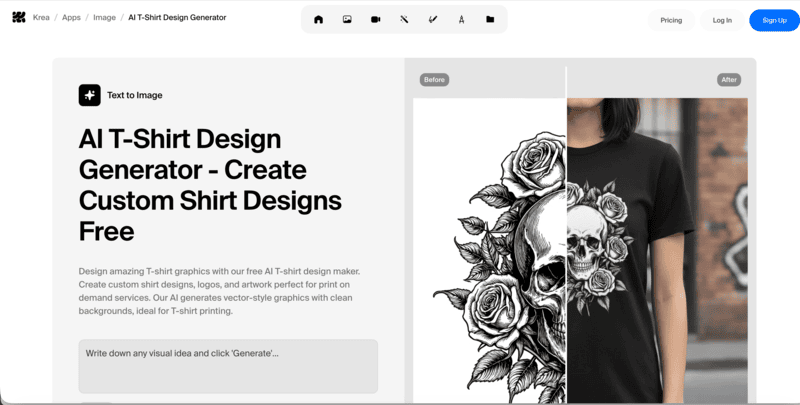
Krea is an AI T-shirt design generator designed to create clean, print-ready graphics.

It excels at producing vector-style designs with transparent backgrounds, making it ideal for print-on-demand services or local printing. Users can generate a wide range of styles, from minimalist line art and bold geometric graphics to retro logos and colorful illustrations.

How It Works

  1. Describe Your Design: Write a clear prompt specifying your concept, style, colors, and theme, from vintage logos and motivational quotes to artistic illustrations.
  1. Generate Your T-shirt Graphic: Click generate to see your idea transformed into a high-quality vector-style design with a clean background, ready for printing.
  1. Download & Print: Save the AI-generated design and take it to any print shop or upload it to a print-on-demand platform.

7. Pacdora

Pacdora is a T-shirt maker designed for creating stylish, ready-to-print apparel quickly. The platform offers a wide range of shirt styles, from classic crewnecks to oversized drop-shoulder tees, allowing users to combine comfort, personality, and modern aesthetics in their designs.
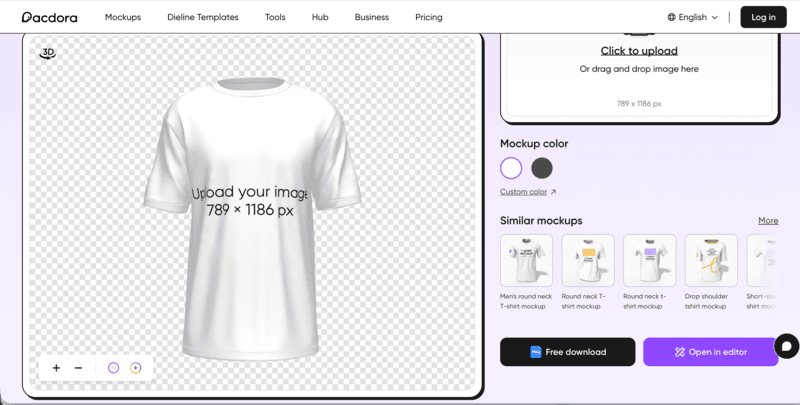
Pacdora is a T-shirt maker designed for creating stylish, ready-to-print apparel quickly.

How It Works

  1. Choose a T-shirt Type: Select your preferred style from Pacdora’s collection, including round-neck, v-neck, pocket tees, and sweatshirts.
  1. Upload and Customize: Add images, logos, or graphics, adjust colors, and modify material textures to match your vision.
  1. Download Your Design: Export your finished T-shirt as a high-quality PNG, JPG, or even MP4 video for sharing, printing, or online promotion.

Pacdora emphasizes ease of use while providing flexibility in style, color, and fabric, making it a practical solution for anyone looking to design eye-catching, personalized T-shirts.

8. PicLumen

PicLumen is an AI T-shirt design generator that focuses on creative flexibility and style exploration. Users can generate designs in a wide range of aesthetics. The more specific the prompt, the more tailored and unique the design output becomes, making it ideal for custom shirts that reflect individual style or brand identity.
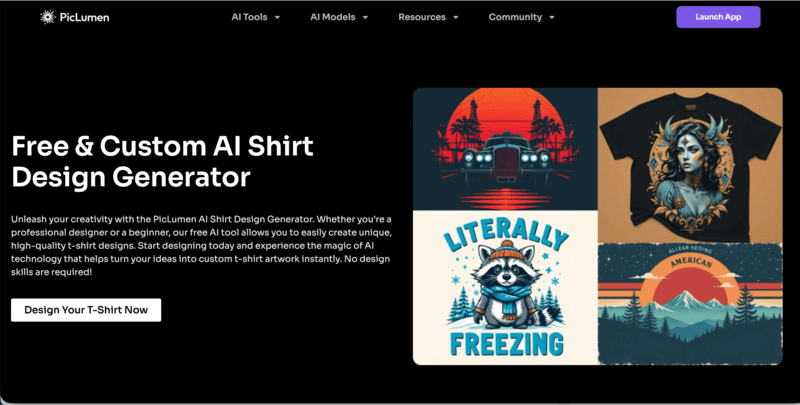
PicLumen is an AI T-shirt design generator that focuses on creative flexibility and style exploration.

How It Works

  1. Explore Styles: Enter a detailed description of your T-shirt concept, specifying style, theme, and colors to generate multiple AI design options.
  1. Enhance Designs: Use PicLumen’s Image Upscaler tool to improve resolution and maintain crisp, professional-quality graphics for printing.
  1. Download and Apply: Save the final design for printing, online promotion, or sharing, ensuring high-quality visuals for any T-shirt project.

9. Pixa

Pixa focuses on realistic AI-powered shirt mockups, letting designers and brands see their graphics on actual apparel. Its AI handles fabric folds, shadows, and perspective to produce professional-quality mockups in seconds.
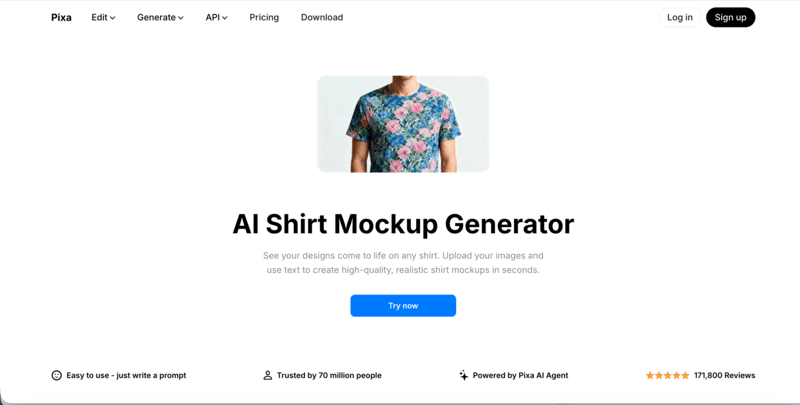
Pixa focuses on realistic AI-powered shirt mockups.

Core Features

  • Instant, Realistic Mockups: Upload your T-shirt image and design, then enter a prompt for placement. Generate high-resolution mockups ready for e-commerce, social media, or presentations.
  • All-Over Prints and Complex Designs: Apply intricate patterns or full-coverage prints across the shirt. Preview bold colors and designs on different shirt styles before printing.
  • Professional E-commerce Use: Create product galleries without photoshoots, perfect for print-on-demand stores or online boutiques.

Pixa stands out for turning designs into polished, realistic T-shirt mockups quickly and effortlessly.

10. Recraft

Recraft is a free AI T-shirt mockup generator that allows users to create eye-catching, hyper-realistic designs in seconds. It focuses on applying custom graphics to T-shirts with precise placement, accurate proportions, and natural shadows and curves, making every mockup look professional and polished.
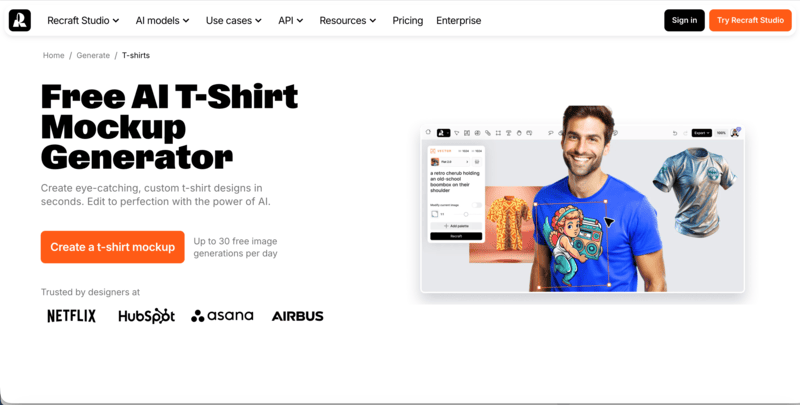
Recraft is a free AI T-shirt mockup generator that allows users to create realistic designs in seconds.

Core Features

  • Quick Mockup Generation: Produce personalized T-shirt mockups in under a minute.
  • Hyper-realistic Details: Designs maintain correct proportions, shadows, and curves for a lifelike appearance.
  • Community Inspiration: Explore a gallery of high-quality designs from other users for ideas and reference.
  • Enhanced Resolution: Use AI upscaling to add extra detail and clarity to your mockups.

Recraft is ideal for designers, print-on-demand sellers, and creators who need fast, professional, and visually striking T-shirt previews.

11. VEED

VEED offers an AI T-shirt design generator that transforms simple text prompts into instant T-shirt graphics. Whether you are creating merch for an online store, graphics for a YouTube channel, or company and event shirts, VEED makes the process straightforward.
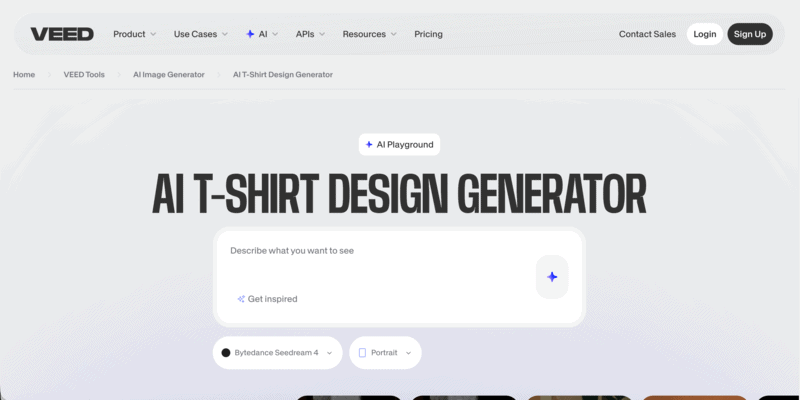
VEED offers an AI T-shirt design generator that transforms simple text prompts into instant T-shirt graphics.

Core Features

  • Prompt-Based Image Generation: Type your idea into the prompt box and generate shirt graphics instantly.
  • Style Experimentation: Test different visual directions such as vibrant colors, bold symbols, or delicate line art.
  • Video Editor Integration: Seamlessly turn your shirt designs into promotional videos or engaging social content within the same platform.

VEED stands out for combining AI image generation with built-in video editing, making it especially useful for creators who want to design merch and promote it in one streamlined workflow.

12. Xinva

Xinva is a text-to-AI T-shirt design generator built to help store owners and entrepreneurs create unique shirt graphics instantly. By simply entering a creative prompt, users can generate stylish, sales-ready designs without hiring a professional designer.
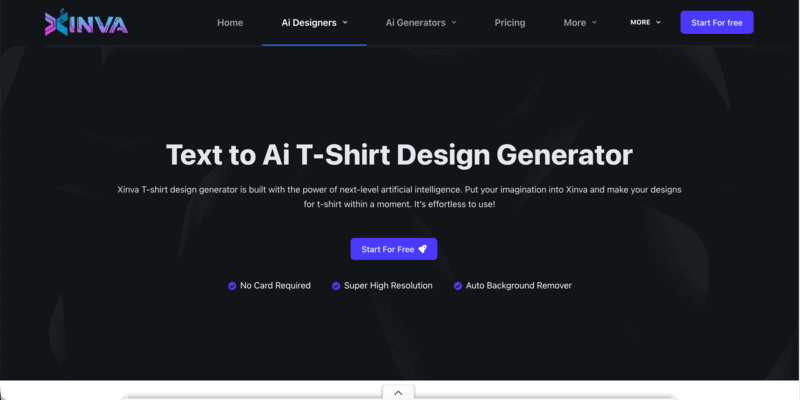
Xinva is a text-to-AI T-shirt design generator to create unique shirt graphics instantly.

Key Capabilities

  • Text-to-Design Generation: Enter a prompt and let the AI create original T-shirt graphics within seconds.
  • Background Removal: One-click Remove BG function for easy application to T-shirt mockups.
  • Commercial-Ready Downloads: Export designs for direct use in your online store or printing workflow.

Xinva is ideal for entrepreneurs who need consistent, AI-generated T-shirt designs at scale without ongoing designer costs.

Practical Comparison of 12 AI T-Shirt Design Generators

Choosing the right AI T-shirt design tool depends on what you need most. Below is a practical side-by-side comparison of 12 AI T-shirt design generators, highlighting their core strengths and ideal use cases to help you decide faster.

ToolPrimary FocusBest ForKey Strength
Fashion DiffusionFull fashion workflowBrands & designersOutfit generation + inpainting + realistic visuals
CanvaTemplate-based T-shirt makerBeginners & small projectsEasy drag-and-drop editing
createimgText-to-design graphicsFast concept testingInstant AI shirt graphics
ImagineArtAI merch generatorPOD sellers & creatorsUpload-based design blending
KittlTypography & vintage designEntrepreneurs & merch brandsExclusive fonts + AI artwork
KreaVector-style AI graphicsPrint-ready artworkClean background outputs
PacdoraT-shirt mockupsBranding & presentationMultiple shirt styles + export formats
PicLumenMulti-style AI generatorCreative explorationStyle flexibility + image upscaler
PixaRealistic AI mockupsE-commerce sellersHyperrealistic fabric rendering
RecraftFree AI mockupsFast previewsPixel-perfect proportional designs
VEEDAI graphics + videoContent creatorsImage generation + video integration
XinvaText-to-shirt generatorPOD store ownersAffordable bulk design creation

Tips for Getting the Best Results

Even with the most powerful AI T-shirt design tools, your results will improve significantly if you follow a few practical strategies:

Use Clear and Specific Prompts

The more detailed your text or image input, the better the AI can understand your vision. Include style, color palette, garment type, and any key elements you want featured.

Experiment with Styles and Layouts

Don’t settle for the first output. Test different prompts, layouts, and visual styles. AI tools can generate multiple variations in seconds, allowing you to explore bold ideas without additional cost.

Optimize for Printing and Mockups

Even high-quality AI fashion designs may need minor adjustments for printing. Check resolution, color contrast, and placement. Tools with built-in mockup previews let you see exactly how your graphics will appear on T-shirts before production.

Iterate and Refine

Treat AI fashion design tools as creative partners, not just one-shot solutions. Refine your prompts or use inpainting/editing features to tweak details, adjust colors, or reposition logos until the design matches your vision.

Leverage Tool-Specific Strengths

Each platform has its niche. For example, some excel at full outfit visualization (Fashion Diffusion), others at realistic mockups (Pixa, Recraft), or fast text-to-design generation (createimg, Xinva). Use the tool that aligns with your specific goal for the best results.

Start Designing Your Next T-Shirt with Fashion Diffusion

AI is transforming T-shirt design, making it faster, more creative, and accessible to everyone. Designers, brands, and enthusiasts can now bring ideas to life without advanced software or long production cycles, exploring endless styles and concepts in minutes.

With Fashion Diffusion, you can take this creative freedom even further. Its AI Outfit Generator and Inpainting tools let you generate full designs, refine fabrics, colors, and details, and visualize your graphics directly on garments. Whether it’s custom team shirts, event apparel, or your next fashion project, Fashion Diffusion empowers you to experiment, iterate, and create production-ready T-shirt designs effortlessly.

FAQ

Can I use AI-generated T-shirt designs for commercial purposes?

Yes. Most AI T-shirt design generators allow you to use your designs for commercial projects, including selling online or printing for clients. Always check the platform’s licensing terms to be sure.

Do I need design skills to use these AI tools?

No. These tools are built for beginners and professionals alike. You just need to provide a text prompt or image inspiration, and the AI will generate your design automatically.

How can I make my AI T-shirt designs unique?

Be specific with your prompts, experiment with different styles, colors, and layouts, and use editing features to refine details. Iterating multiple times can produce truly original results.

Can AI replace a professional T-shirt designer?

AI tools are great for speed, experimentation, and initial concepts. While they can produce high-quality designs, human designers are still valuable for complex branding, creativity, and nuanced visual decisions.

Which AI tool is best for realistic mockups?

Platforms like Fashion Diffusion, Pixa, and Recraft excel at creating photorealistic T-shirt mockups, allowing you to visualize your designs on garments before printing.
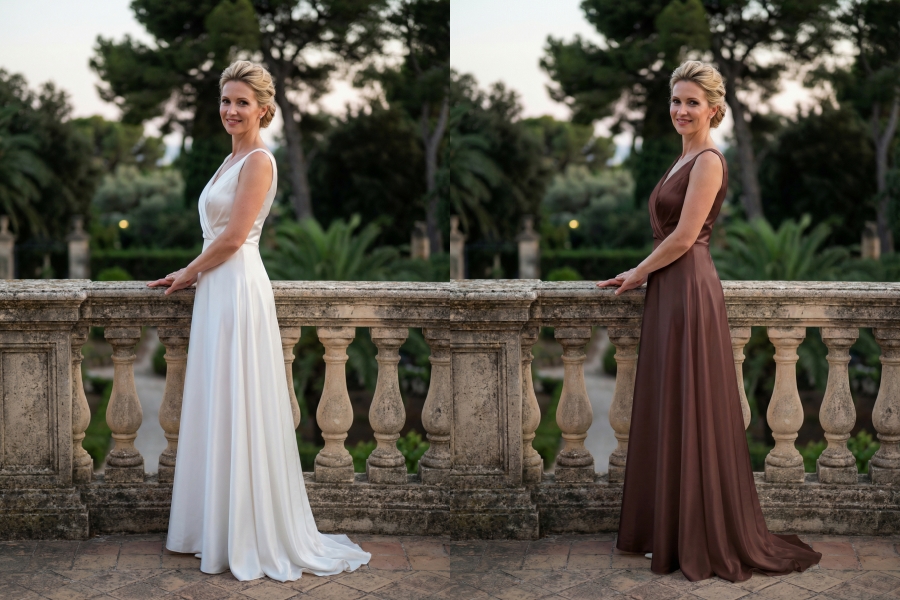
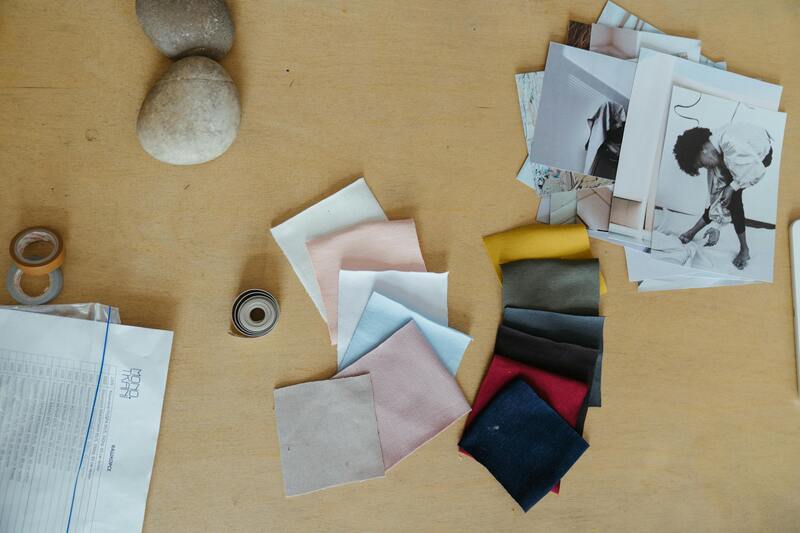
Avatar photo 通过Ethan Davis

How to Recolor Clothes with AI: Complete Guide for Fashion Designers & Brands

Imagine recoloring an entire collection in the time it takes to catch your breath. Say goodbye to the soul-crushing grind of manual edits and let AI recolor tools handle the heavy lifting. Whether you are perfecting a lookbook or streamlining your sampling process, this guide reveals how to leverage AI fashion design tools to achieve hyper-realistic fabric finishes and flawless color accuracy with just a few clicks.
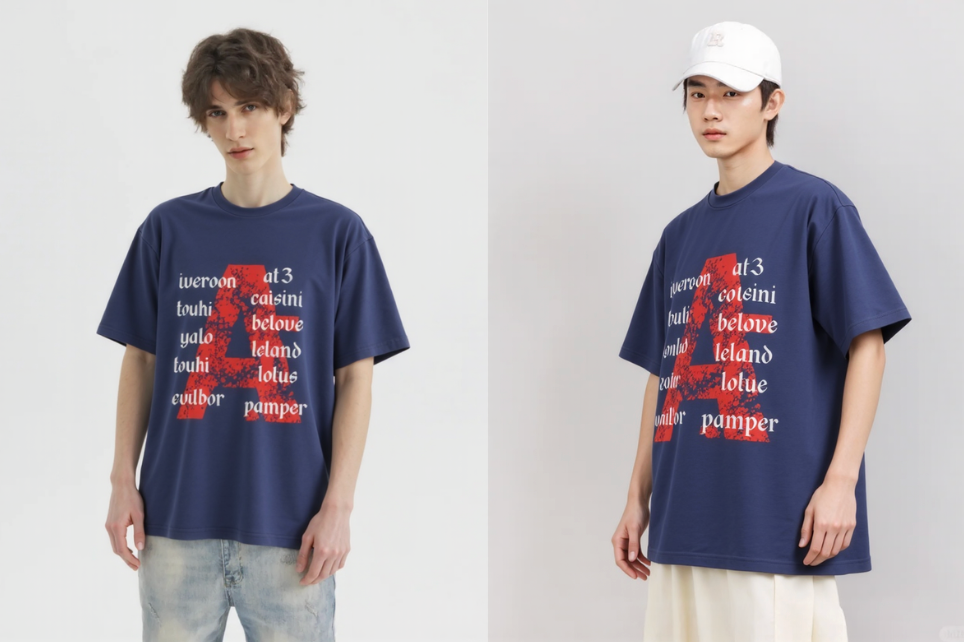
What Is AI Recolor

AI recolor is an intelligent color-changing technology driven by artificial intelligence, specifically designed to automatically modify the color of clothing within digital images.

Unlike basic color replacement tools, it retains critical visual details, including fabric texture, natural lighting, soft shadows, garment folds, and material opacity, ensuring the recolored result remains photorealistic and consistent with the original scene.

In simple terms, the entire process follows a straightforward, user-friendly flow: Upload image → Select target color → Generate recolored version → Download the final output.

Built for accessibility and speed, AI recolor tools operate directly in web browsers without requiring complex software installation or prior design expertise, making professional-grade clothing color editing available to everyday users and fashion practitioners alike.

The Problem with Traditional Clothing Recoloring

Before AI recolor online tools became accessible, changing the color of clothing in images was either a manual process or required advanced editing software. Both approaches come with significant limitations.

Manual Recoloring Is Slow and Inconsistent

The most traditional approach to recoloring clothing images involves manually editing each color variation. This is not only time-consuming but also prone to inconsistency.

For example:

  • Produce 8 samples: If a product is available in 8 different colors, brands typically need to manufacture a sample for each color.
  • Photograph each variation: After samples are produced, each color must be photographed individually.
  • Retouch each image manually: Once the photos are taken, each image needs to be individually retouched to match the brand’s standards, including adjustments to lighting, shadows, and color balance.

This method leads to:

  • Increased production time for each product variation;
  • Higher photography costs due to multiple shoots;
  • Risk of inconsistencies between images.

As the number of color variations increases, this process becomes unsustainable. This is why traditional recoloring, particularly for larger businesses, can quickly become unmanageable.

Traditional problem — Manual recoloring is slow and inconsistent.

Traditional Editing Software Requires Expertise

Professional tools such as Photoshop offer powerful color editing capabilities, but they are not designed for speed or simplicity.

To properly recolor clothing in Photoshop, users typically need to:

  • Create precise layer masks;
  • Use adjustment layers (Hue/Saturation, Color Balance, Selective Color);
  • Manually refine edges;
  • Rebuild shadows and highlights;
  • Understand blending modes.

This demands technical knowledge and experience. For many e-commerce sellers, designers, and small businesses, hiring a skilled editor or learning advanced software adds unnecessary cost and complexity.

Additionally:

  • Photoshop requires installation;
  • Subscription fees apply;
  • Batch processing is not automated;
  • Each image must be edited individually.

When dealing with large catalogs or frequent product updates, traditional editing software slows down production cycles significantly. This is exactly where AI recolor tools create a fundamental shift by eliminating manual effort and reducing technical barriers entirely.

How AI Recolor Solves Traditional Problems in Seconds

AI recolor tools provide a revolutionary shift in how clothing images are recolored, effectively addressing the key challenges in traditional manual recoloring and software-based editing. Here’s a breakdown of how AI solves these inefficiencies in seconds:
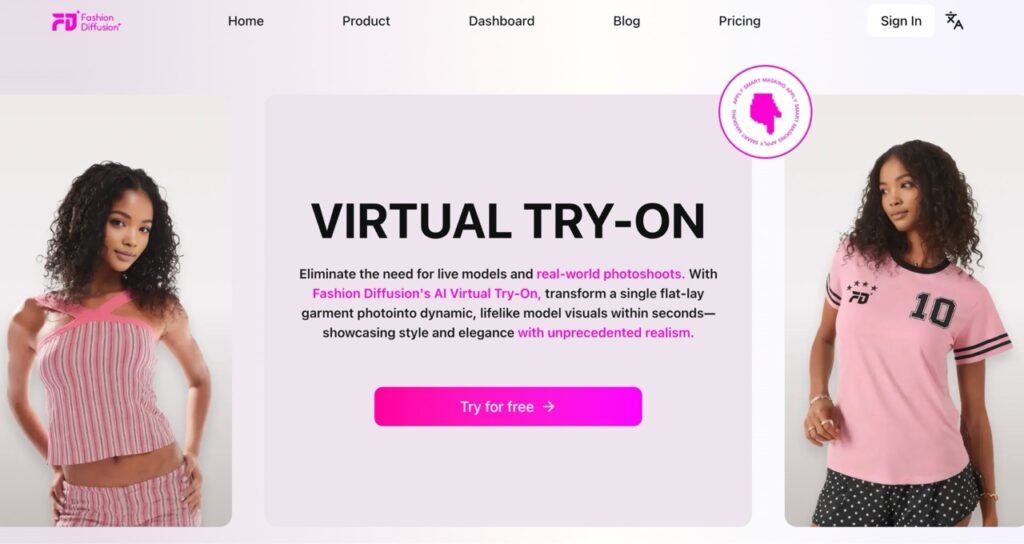
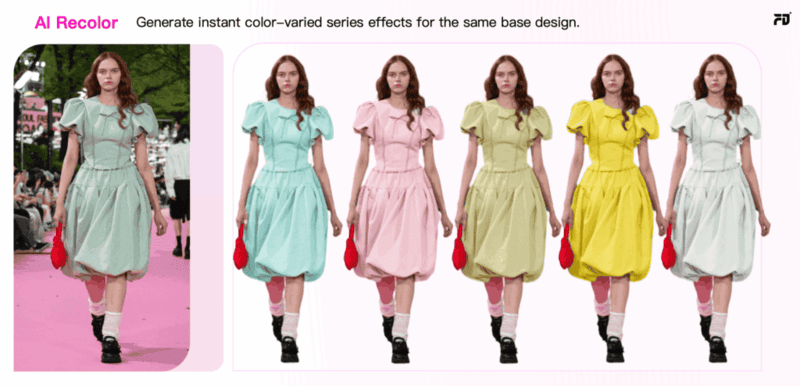
AI recolor tool can generate instant color-varied series effects for the same base design.

1. Automatic Clothing Detection

Traditional manual recoloring requires precise masking and selection of the clothing area to ensure accurate color application. However, this is tedious and time-consuming, especially when dealing with complex garments or large image sets.

With AI recolor, the system automatically detects the clothing area using machine learning algorithms. This is achieved by:

  • Image segmentation: The AI scans the image and understands which regions correspond to clothing, even in images with complex backgrounds or intricate designs.
  • No manual input required: The tool selects and isolates the clothing automatically, freeing users from the need to manually outline or mask the garment area.

2. Realistic Color Application and Texture Preservation

One of the most significant challenges with traditional software is ensuring that the color change looks natural.

AI recolor ensures realistic color application in the following ways:

  • Color preservation with deep learning: The AI understands the fabric’s texture, folds, and the light interaction on the garment. It adjusts the color in a way that is consistent with the natural lighting and shadows in the original photo.
  • No loss of detail: AI recolor does not result in flat, lifeless images. The system retains fabric grain, folds, and lighting contrasts, making recolored garments appear just as they would in the original shot.

3. User-Friendly and No Technical Expertise Needed

Unlike Photoshop and other traditional software, which require users to have a deep understanding of editing tools, blending modes, and adjustment layers, AI recolor tools are designed to be intuitive and easy to use. No technical expertise is necessary.

For example:

  • Simple color selection: Users simply choose the color from a palette or input a hex code, and the AI tool does the rest.
  • Minimal editing: The AI handles the complex tasks such as masking, color adjustment, and texture preservation, leaving the user with only a few clicks to make.

In general, with the advantages above, AI recolor is designed to streamline the recoloring process and, by doing so, cut down the time and costs associated with traditional methods. As a result, businesses can allocate resources to other important areas, such as marketing, product development, and customer service.

Practical Use Cases of AI Recolor for Clothing

AI recolor tools are transforming the way both individual designers and fashion brands approach color management, offering a quick and scalable solution for creating multiple variations of designs.

For Independent Designers

AI recolor online tools offer a quick and cost-effective way to experiment with color variations for independent designers. Designers can instantly generate multiple color options for their designs without the need for physical samples or time-consuming photoshoots.

  • Faster Design Iteration: Designers can try out different color schemes quickly, speeding up the creative process without waiting for new samples or re-shoots.
  • Cost-Effective Mockups: AI recolor eliminates the need for physical prototypes, allowing designers to generate realistic color mockups in seconds, saving both time and money.
  • Portfolio Expansion: Easily create a variety of color options for each design, giving designers more versatility and a broader portfolio to showcase to potential clients.

With AI recolor, independent designers can focus more on creativity and less on time-consuming production processes.

For Brands and Businesses

For fashion brands and companies, AI recolor is a strategic tool that improves speed, reduces cost, and supports data-driven decisions. Instead of producing separate samples and photoshoots for every colorway, brands can generate multiple realistic variations from one approved product image.

  • Faster Go-to-Market: Create 5 to 10 color options in minutes, enabling quicker e-commerce uploads and marketing campaigns.
  • Smarter Inventory Planning: Test digital colorways online, analyze engagement or pre-order data, and prioritize high-demand colors before mass production.

Imagine you run a fast fashion brand preparing to launch a new sneaker in 8 to 12 colorways. Instead of producing and photographing every variation, you generate digital previews from one master image using AI recolor and test them on your website or app.

By tracking engagement data, you can move forward with high-performing colorways and refine or eliminate low-demand options. This approach reduces sampling and inventory risk while making product launches faster, more cost-efficient, and data-driven.

8 Best AI Recolor Tools Compared

If you’re searching for practical AI recolor tools, the best choice depends on what you actually need: quick edits, e-commerce mockups, creative experimentation, or professional retouching. Below is a tool-by-tool guide highlighting each platform’s core strength and ideal use case.
1. Fashion Diffusion

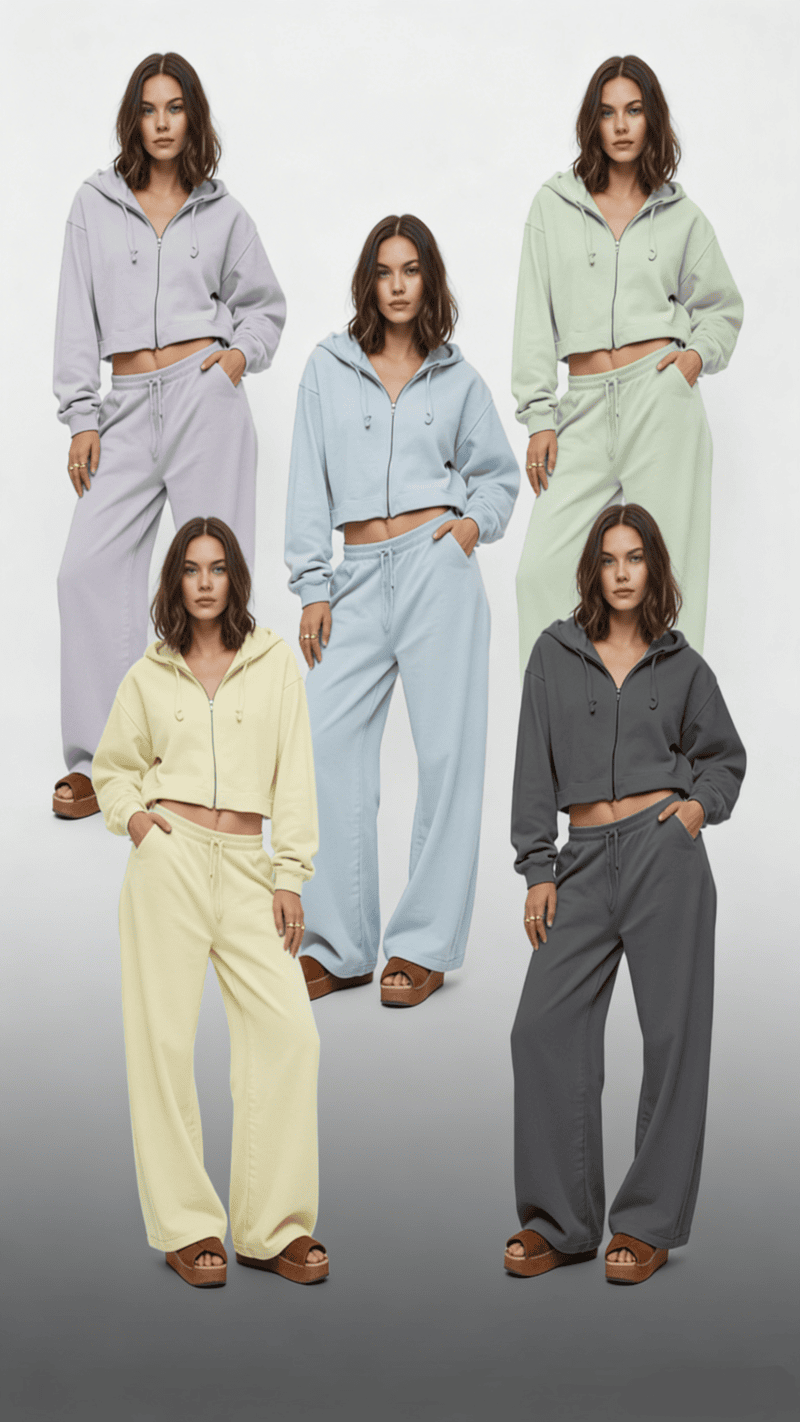
Generated by Fashion Diffusion's AI Recolor tool.

Unlike general editing tools, Fashion Diffusion is built specifically for fashion design. It is not just a hue-replacement system. It’s a specialized platform for generating and modifying garments using AI.

What it does best:

  • Designed specifically for clothing and fashion workflows;
  • Prompt-based generation of garment variations;
  • Advanced control over style, silhouette, and color direction;
  • Strong for concept development and collection ideation.

Rather than simply helping users change clothes color online for free, Fashion Diffusion supports broader design exploration. It allows designers to experiment with colorways as part of a larger AI-driven fashion creation process.

Best for fashion designers, creative directors, and design teams exploring AI-assisted collection development.

2. Fotor

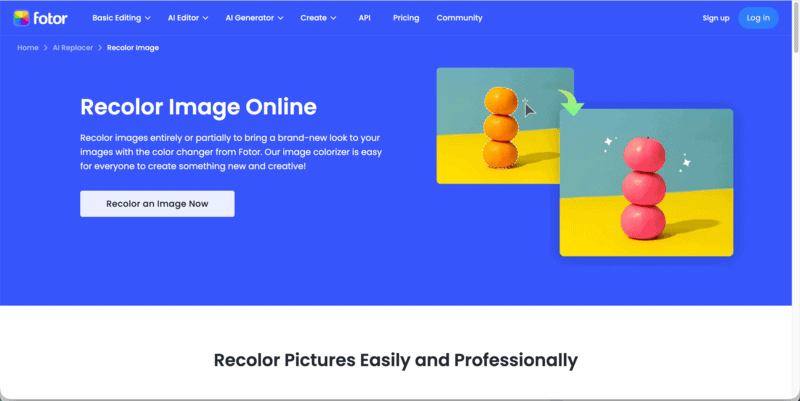
Best AI recolor tool — Fotor.

Fotor is built for users who want to change clothes color online for free without technical steps. It automatically detects garments and applies color adjustments with minimal setup.

What it does best:

  • One-click AI recolor workflow;
  • Beginner-friendly interface;
  • Quick generation of simple color variations;
  • Supports limited AI recolor free credits.

Best for small sellers, quick mockups, casual users.

3. insMind

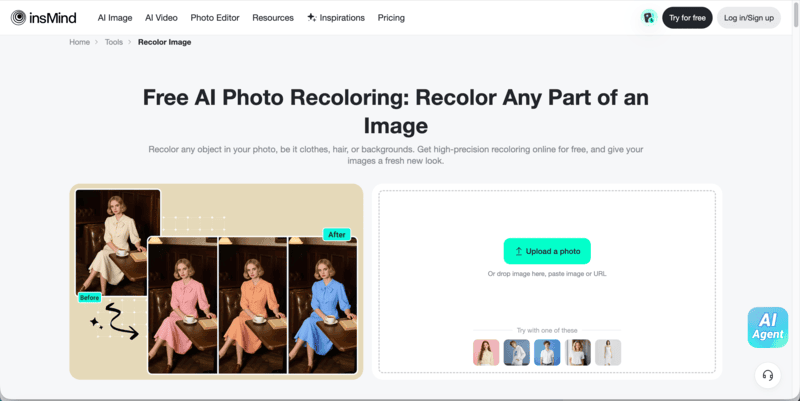
Best AI recolor tool — insMind.

insMind focuses specifically on product photos. Its recolor function is optimized for clean backgrounds and consistent lighting, making outputs suitable for marketplaces.

What it does best:

  • SKU color expansion from one product image;
  • Consistent lighting retention;
  • Clean catalog-style output;
  • Practical for scaling color variations.

Best for online apparel stores managing multiple colorways.

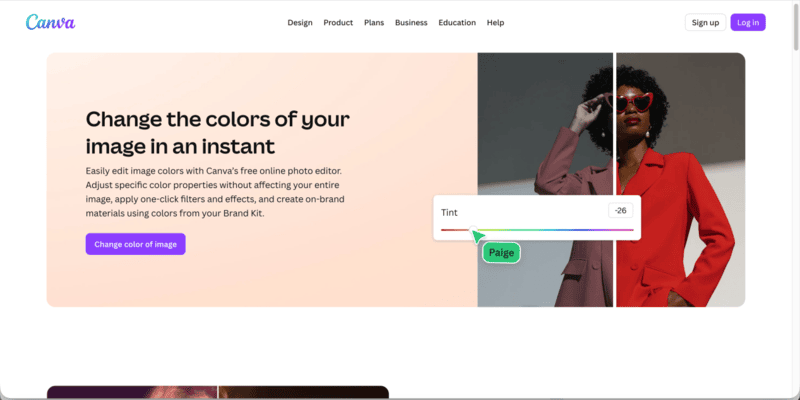
4. Canva

Best AI recolor tool — Canva.

Canva integrates AI editing into its design ecosystem. While not a dedicated clothing recolor engine, it allows users to recolor clothes online for free within layouts and promotional visuals.

What it does best:

  • Fast campaign edits;
  • Template-based workflow;
  • Easy collaboration;
  • Suitable for lightweight recolor tasks.

Best for marketing teams and social media content creation.

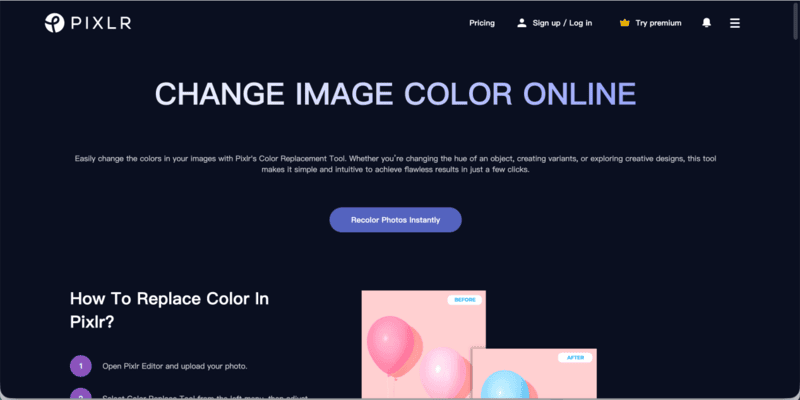
5. Pixlr

Best AI recolor tool — Pixlr.

Pixlr balances automation and manual adjustment. Users can recolor objects using selection tools while refining edges manually if needed.

What it does best:

  • No installation required;
  • Manual fine-tuning options;
  • Flexible for creative experimentation;
  • Accessible free tier.

Best for bloggers and creators who want moderate control.

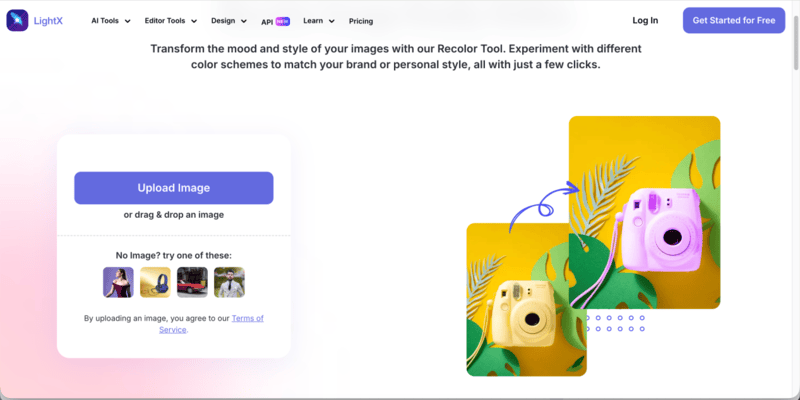
6. LightX

Best AI recolor tool — LightX.

LightX prioritizes ease of use. It enables fast garment color swaps through a simplified interface.

What it does best:

  • Quick edits;
  • Beginner-friendly workflow;
  • Works across web and mobile;
  • Basic AI recolor free functionality.

Best for casual users and quick visual adjustments.

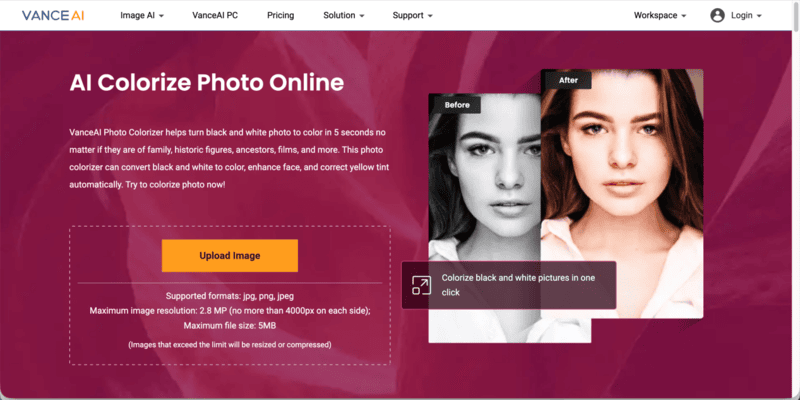
7. VanceAI

Best AI recolor tool — VanceAI.

VanceAI Photo Colorizer is primarily designed to convert black and white photos into realistic color images within seconds. Rather than focusing on garment recoloring, it specializes in restoring historical, family, and archival photographs using AI.

What it does best:

  • Automatically convert black and white photos to color in seconds;
  • Enhance facial details during the colorization process;
  • Correct yellow tint and aged photo discoloration;
  • One-click AI workflow with minimal manual input.

Best for restoring vintage fashion photography, historical portraits, and archival imagery.

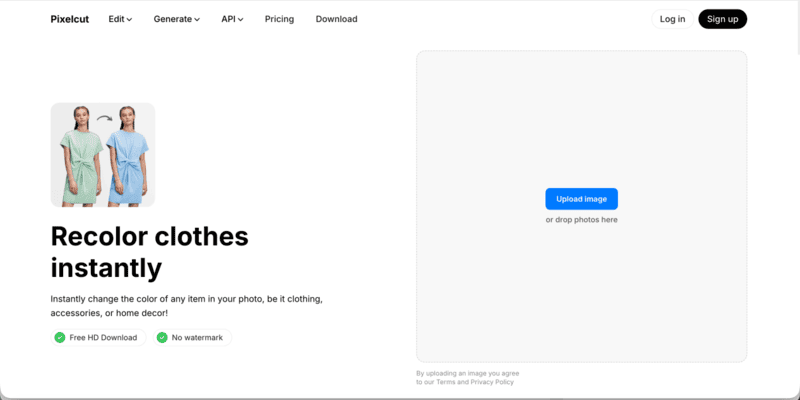
8. Pixelcut

Best AI recolor tool — Pixelcut.

Pixelcut is an AI-powered creative platform designed to help individuals, small businesses, and online sellers produce professional-looking product images quickly. Beyond background removal and product enhancement, it also enables users to apply fast clothing color adjustments directly within product photos.

What it does best:

  • Generate clean, marketplace-ready product images;
  • Instantly change clothing colors for product variations;
  • Combine recolor with background removal and AI enhancement;
  • Streamlined workflow for social media and e-commerce visuals.

Best for e-commerce product shots and quick clothing color updates for online listings.

How to Recolor Clothes with Fashion Diffusion (Step-by-Step)

Unlike basic tools that simply shift hue to change clothes color, Fashion Diffusion is designed specifically for fashion workflows. It allows you to recolor garments while maintaining fabric structure, lighting, and design integrity.

Follow the steps below to recolor clothes using Fashion Diffusion efficiently.

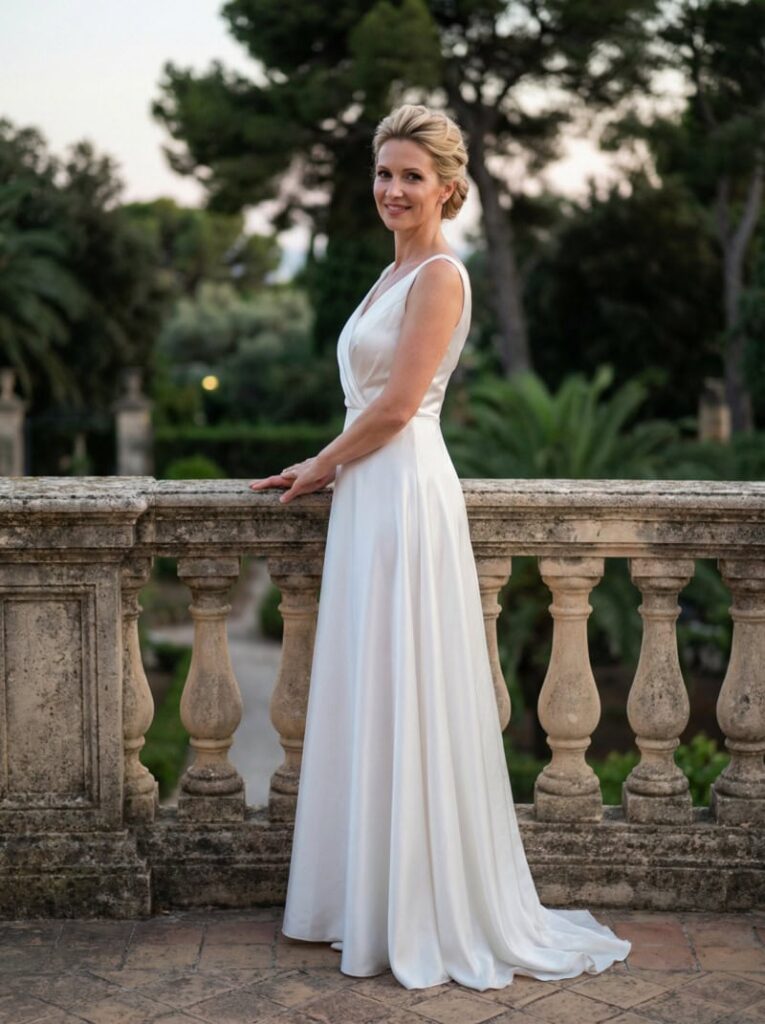
Step 1: Upload your image

Select your garment photo (JPG or PNG, under 30MB).

Step 1: Upload your image.
Fashion Diffusion AI-generated

For best results:

  • Use a clear, well-lit image;
  • Make sure the garment is fully visible;
  • Avoid heavy shadows or cluttered backgrounds.

A clean image allows the AI to detect clothing boundaries more accurately.

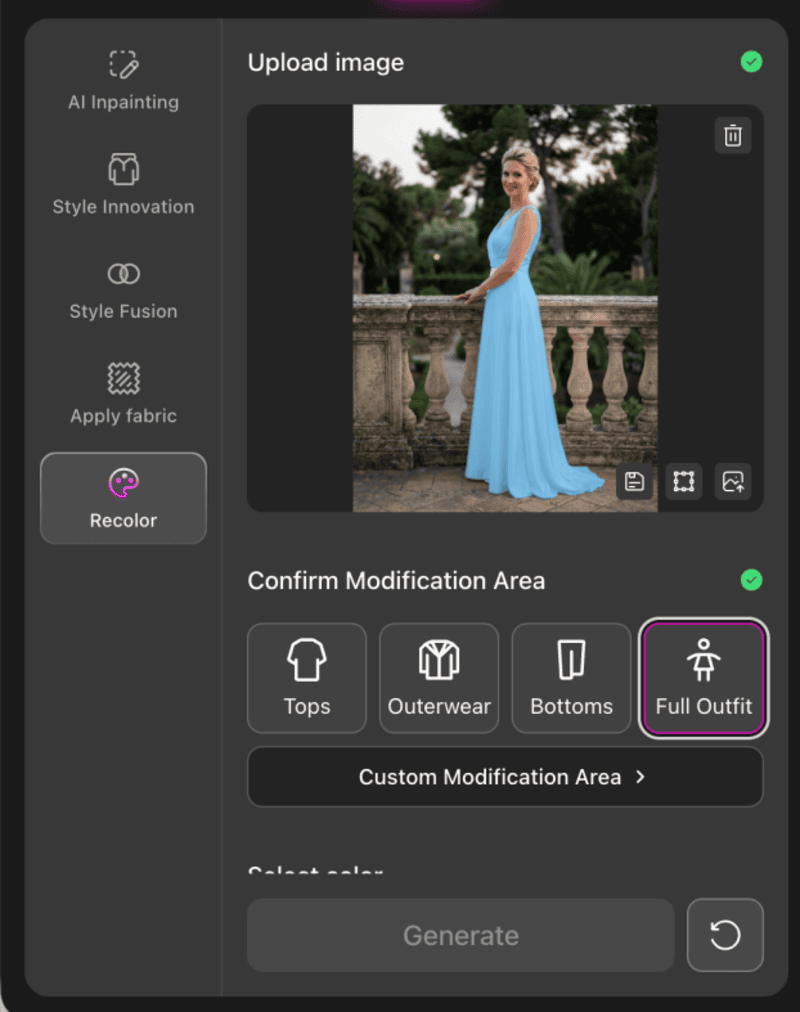
Step 2: Select the Modification Area

Under the Confirm Modification Area, choose the targeted garment category: Tops, Outerwear, Bottoms, or Full Outfit. You can also click Custom Modification Area for manual selection.

Step 2: Select the modification area.

Fashion Diffusion applies intelligent masking to the selected region, meaning the AI isolates only the clothing area while preserving skin tones, background, and lighting. This step is what differentiates it from basic AI recolor free tools that apply broad color overlays.
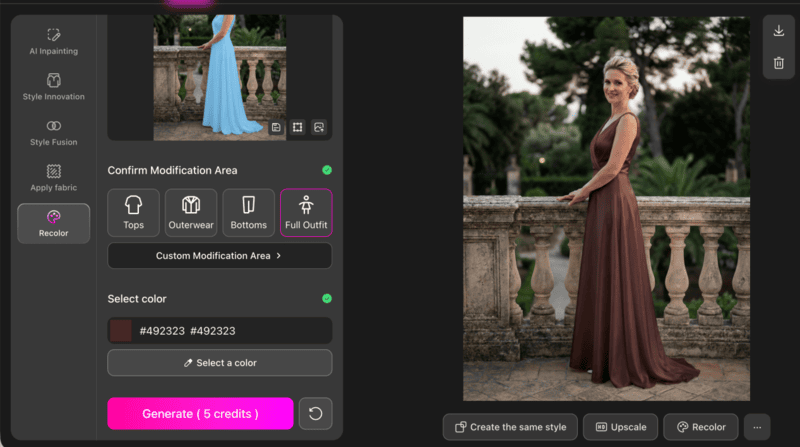
Step 3: Select a Color and Generate

Choose your desired color from the palette, then click Generate.

The system will:

  • Apply the new color to the selected garment area;
  • Maintain folds, shadows, and texture;
  • Keep lighting direction consistent;

The result is a realistic garment recolor rather than a flat color replacement.

Step 3: Select a color and generate.

Tips for Perfect Clothing Recoloring with AI

Even the best AI recolor tool won’t automatically guarantee perfect results. The difference between an average output and a production-ready image often lies in small strategic decisions.

1. Choose Colors That Respect Fabric Physics

AI preserves highlights, shadows, and texture from the original garment. That means the new color must behave realistically within those lighting conditions.

For example:

  • Deep tones usually maintain fabric depth better than ultra-light pastels.
  • Highly saturated neon colors can overpower texture and flatten folds.
  • Very light shades applied to already bright garments may reduce contrast and make the image look washed out.

A useful approach is to stay within a similar brightness range as the original garment first, then gradually test lighter or darker variations. This keeps shading logic intact and produces more natural results.

2. Think in Color Systems, Not Single Swaps

Professionals rarely generate just one color option. Instead, they test controlled variations within the same color family.

For example:

  • Beige → Camel → Chocolate
  • Dusty blue → Steel blue → Midnight blue

This structured testing does two things:

  • It preserves consistency across product catalogs.
  • It makes comparison easier when selecting final colorways for e-commerce or marketing visuals.

Random color jumps often feel disconnected. Series-based recoloring feels intentional and brand-aligned.

3. Align Recoloring with Commercial Intent

The best color is not always the most visually striking one. It’s the one that fits the product’s purpose.

Consider:

  • Luxury positioning → muted, deep, refined tones;
  • Youth or street-wear → high-contrast or bold shades;
  • Seasonal collections → warmer tones for fall, lighter palettes for spring.

If recoloring is used for product listings, make sure the new variation still matches your overall brand palette. Inconsistent tones across a catalog can reduce perceived professionalism.

AI makes color testing easy. Strategic thinking makes it valuable.

Is AI Recolor the Future of Fashion Editing

Yes! Fashion has always moved fast, but digital workflows are now moving even faster.

AI recolor is reshaping how designers, brands, and online sellers approach color development. What once required physical samples, re-dyeing, or multiple reshoots can now be tested in minutes. From early concept validation to e-commerce colorway expansion, AI makes experimentation scalable.

More importantly, it lowers the barrier to creativity. Independent designers can explore broader palettes. Brands can test seasonal variations before committing to production. Small businesses can offer multiple color options without increasing inventory risk.

If you are ready to explore professional-grade clothing recoloring built specifically for fashion workflows, try Fashion Diffusion and start experimenting with your next colorway today.

FAQ

Are there any AI recolor free tools available?

Yes, several platforms offer limited free credits or trial access for AI recolor. These versions usually support basic clothing color changes but may restrict resolution, export quality, or daily usage limits. For professional or large-scale use, paid plans provide more flexibility.

Will AI recolor affect skin tone or background?

Most dedicated clothing recolor tools isolate the garment area automatically. This ensures that skin tones, backgrounds, and lighting remain unchanged. Accurate masking is one of the main advantages of AI over manual editing.

What makes Fashion Diffusion different from basic AI recolor tools?

Fashion Diffusion is built specifically for fashion workflows. Instead of only changing hue, it allows structured garment modification and color experimentation within a design-focused environment, making it more suitable for designers and creative teams.

Can AI recolor replace traditional product photography?

Not completely. AI recolor can reduce the need for separate photoshoots for every color variation by generating multiple digital colorways from one base image. However, original photography is still important for capturing real fabric texture, fit, and lighting. In practice, many brands use one professional shoot and then apply AI recolor to expand color options efficiently.

Avatar photo 通过Ethan Davis

Cyberpunk Aesthetic Clothing: From Dystopian Visions to Wearable Future

Cyberpunk aesthetic clothing feels like stepping into a future that is already here. It blends high-tech style with a gritty urban edge, creating looks that are both imaginative and surprisingly wearable. Whether seen in cinema, across social feeds, or on the streets of major global cities, this aesthetic possesses a magnetic appeal that continues to evolve.

Rooted in speculative fiction but branching into everyday street style, this fashion movement speaks to a generation fascinated by technology, self-expression, and the digital frontier. From luminous accents to utilitarian hardware, it is more than a trend—it is a cultural pulse, now accelerated by the rise of AI fashion design tools.

What is Cyberpunk Aesthetic Clothing

Cyberpunk fashion is defined by the collision of technology and humanity. It draws inspiration from neon-drenched megacities and a spirit of rebellion against rigid systems. Visually, it mixes dark industrial tones with experimental details to create outfits that feel edgy and slightly dystopian.

The Origins of Cyberpunk Aesthetic Fashion

The origins of cyberpunk aesthetic fashion can be traced back to sci-fi literature and films from the late 20th century, where characters dressed for survival in high-tech but broken societies. These visuals slowly influenced real-world fashion, evolving into what we now recognize as cyberpunk futuristic fashion and futuristic cyberpunk clothing. Over time, designers and streetwear communities reinterpreted those ideas into wearable forms, blending imagination with practicality.

Today, cyberpunk aesthetic clothing goes beyond costumes or cosplay. It has become a flexible fashion language, often overlapping with techwear cyberpunk, where function, technology, and style coexist. It’s less about dressing like the future, and more about expressing how the future already feels.

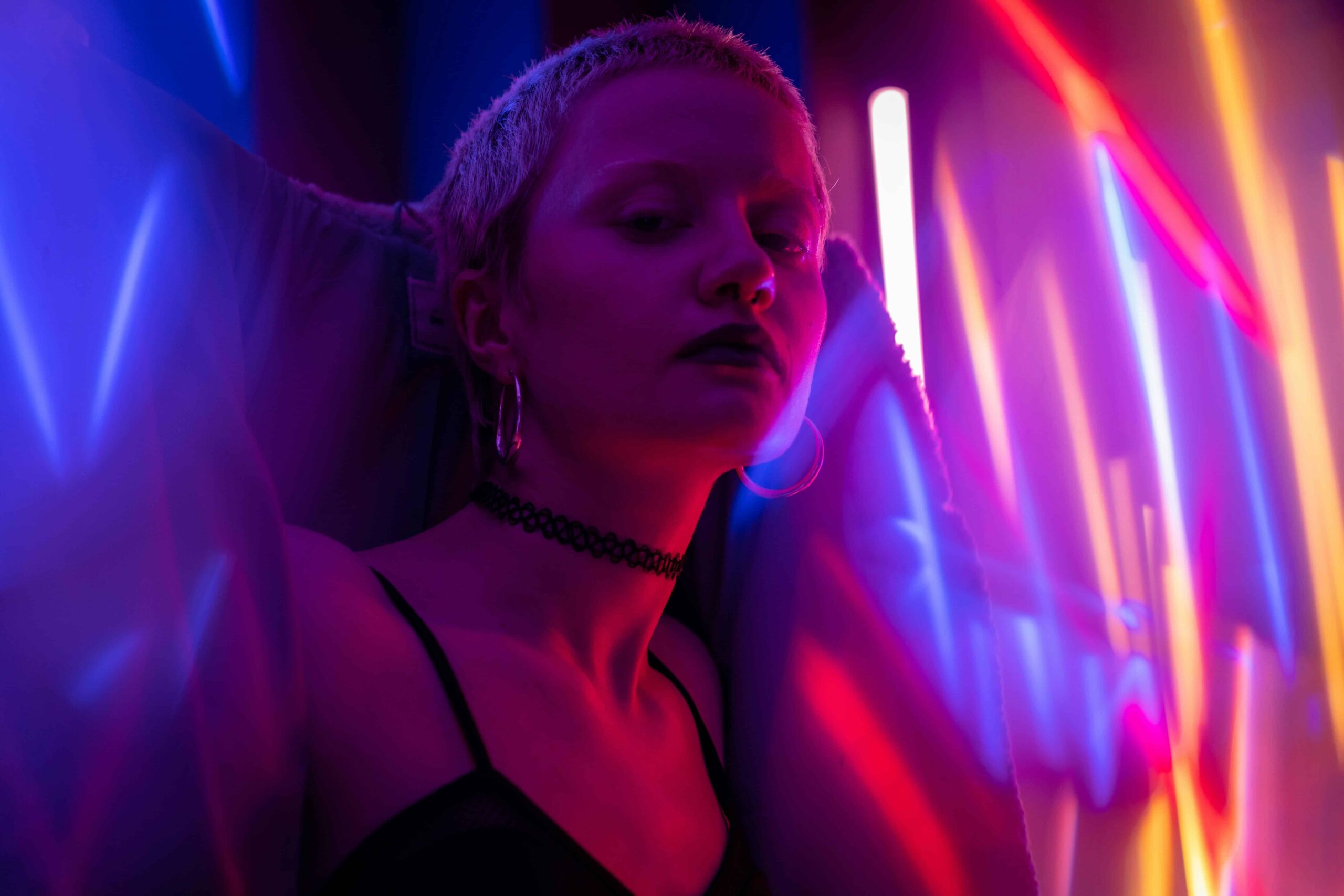
cyberpunk aesthetic clothing

Key elements that Define Cyberpunk Aesthetic Clothing

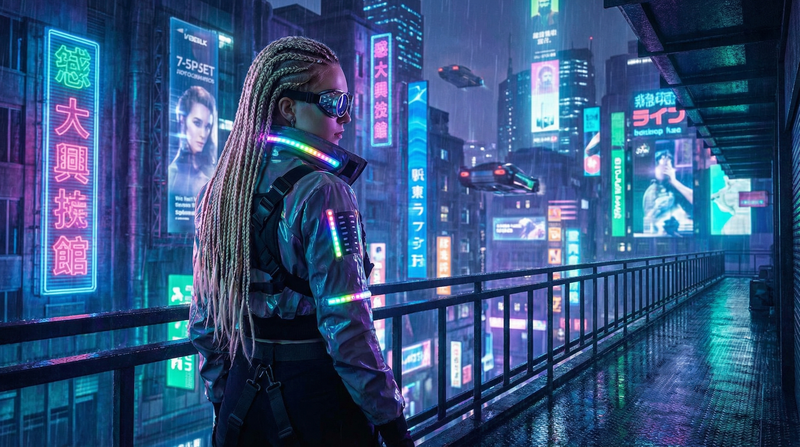
  • Dark Base with Neon Accents:Most cyberpunk aesthetic clothing starts with black, grey, or muted tones, layered with neon highlights or reflective details. This contrast mirrors futuristic cityscapes and gives cyberpunk aesthetic outfits their signature visual tension.
  • Tech-Inspired Materials and Textures:Fabrics often look technical or experimental, such as coated textiles, synthetic leather, or metallic finishes. These materials reinforce the cyberpunk clothing aesthetic by visually connecting fashion with technology.
  • Utility-Driven Design:Straps, pockets, zippers, and modular elements are not just decorative. Borrowed from techwear cyberpunk, these features emphasize function and adaptability, making futuristic cyberpunk clothing feel purposeful and wearable.
  • Futuristic Silhouettes:Asymmetry, layered construction, and sharp lines are common in cyberpunk aesthetic clothing. These shapes move away from traditional fashion norms, reflecting the influence of cyberpunk futuristic fashion and its experimental mindset.
  • Digital and Industrial Details:Graphic prints, glitch-inspired patterns, and industrial hardware add a digital edge. These subtle details help cyberpunk aesthetic outfits feel connected to virtual worlds and modern urban environments.

Cyberpunk Aesthetic Outfits: How the Style Evolves

Cyberpunk outfits have undergone a significant transformation, shifting from their exaggerated, costume-like origins into a sophisticated fashion language. This evolution reflects a blend of rebellious attitude and personal interpretation, moving away from sci-fi caricatures toward wearable urban aesthetics.

Women Cyberpunk Aesthetic Outfits: Futuristic Style with a Personal Edge

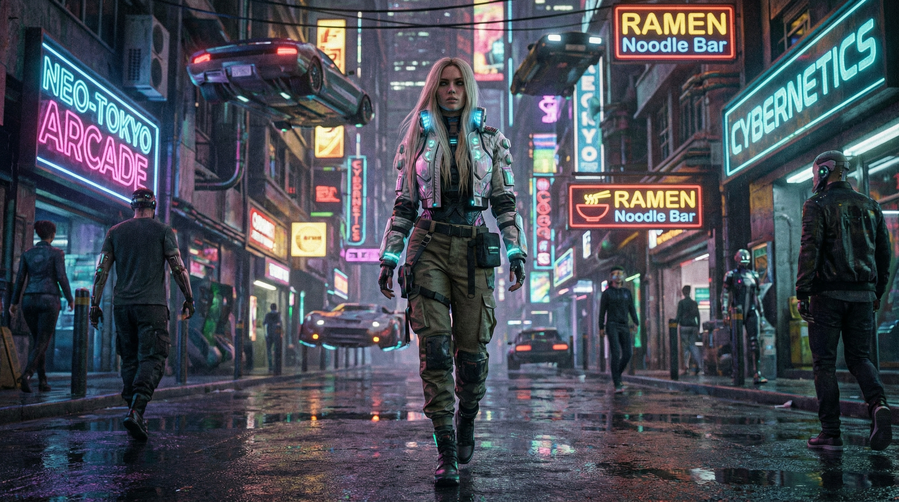
Women cyberpunk aesthetic outfits blend futuristic details with street-ready wear, creating a look that is bold, versatile, and expressive. Designers and fashion enthusiasts often experiment with asymmetry, layered textures, and metallic or reflective accents, giving outfits a sense of motion and tech-driven energy. Neon trims, LED-inspired prints, and holographic fabrics are popular ways to add visual interest and that unmistakable cyberpunk glow.

Some popular examples include:

  • Sleek Mobility & Tech-Lines:The use of fitted bodysuits with utility harnesses creates a streamlined, efficient base. Thin reflective lines often trace the body’s silhouette, adding a subtle futuristic glow without being overpowering.
  • Asymmetry & Layered Textures:Key pieces like asymmetrical skirts or cropped jackets create visual tension and a sense of motion. Combining soft fabrics with metallic or holographic accents transforms a simple outfit into a statement of tech-driven energy.
  • Statement Accessories:The look is often anchored by functional yet theatrical items, such as glowing visors, modular bags, and heavy combat boots.

The beauty of cyberpunk aesthetic clothing for women lies in its adaptability. A single key piece, like a reflective jacket or a holographic skirt, can transform a simple outfit into a statement cyberpunk aesthetic look. Layering, asymmetry, and texture mixing are central to making each ensemble unique, allowing for a personal interpretation of cyberpunk futuristic fashion while remaining practical for real-life wear.

Below are some examples of cyberpunk aesthetic outfit ideas for women:

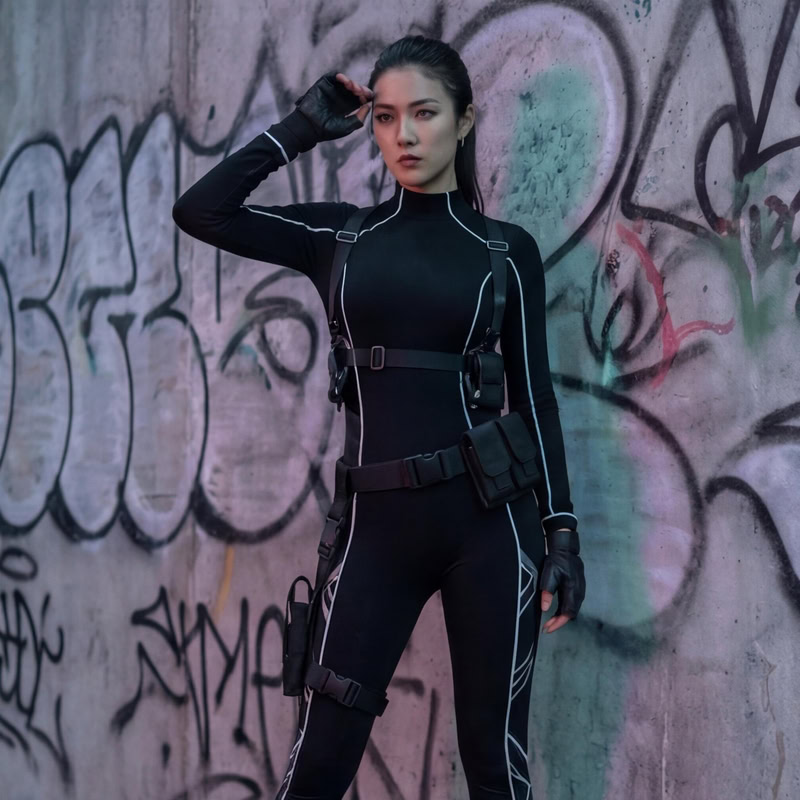
1. Sleek Techwear

Core Elements: Fitted black bodysuit, modular pouches, and reflective detailing.

Analysis: This look prioritizes mobility and efficiency. The sharp, controlled silhouette shows how cyberpunk can be elegant and restrained rather than just bulky gear.

cyberpunk aesthetic clothing——Sleek Techwear
Fashion Diffusion AI-generated

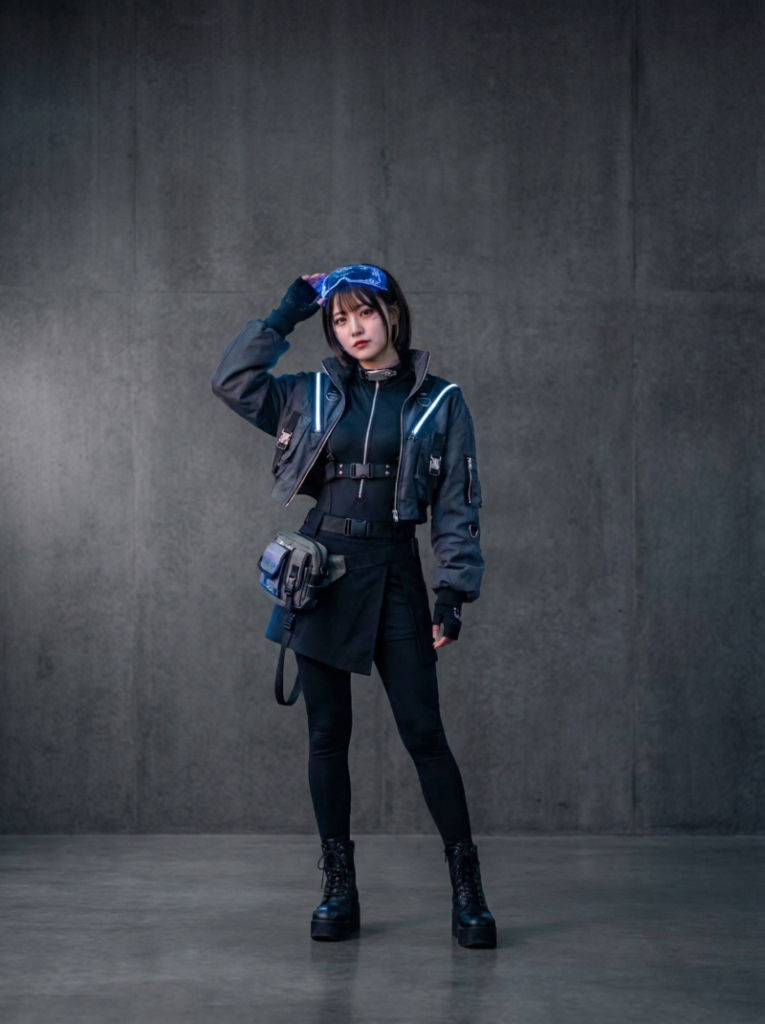
2. Futuristic Streetwear

Core Elements: Cropped illuminated jacket, utility pouch, and combat boots.

Analysis: A perfect blend of everyday wear and sci-fi. The soft glow of the jacket connects the wearer to the neon visual language of a megacity.

cyberpunk aesthetic clothing——futuristic streetwear
Fashion Diffusion AI-generated

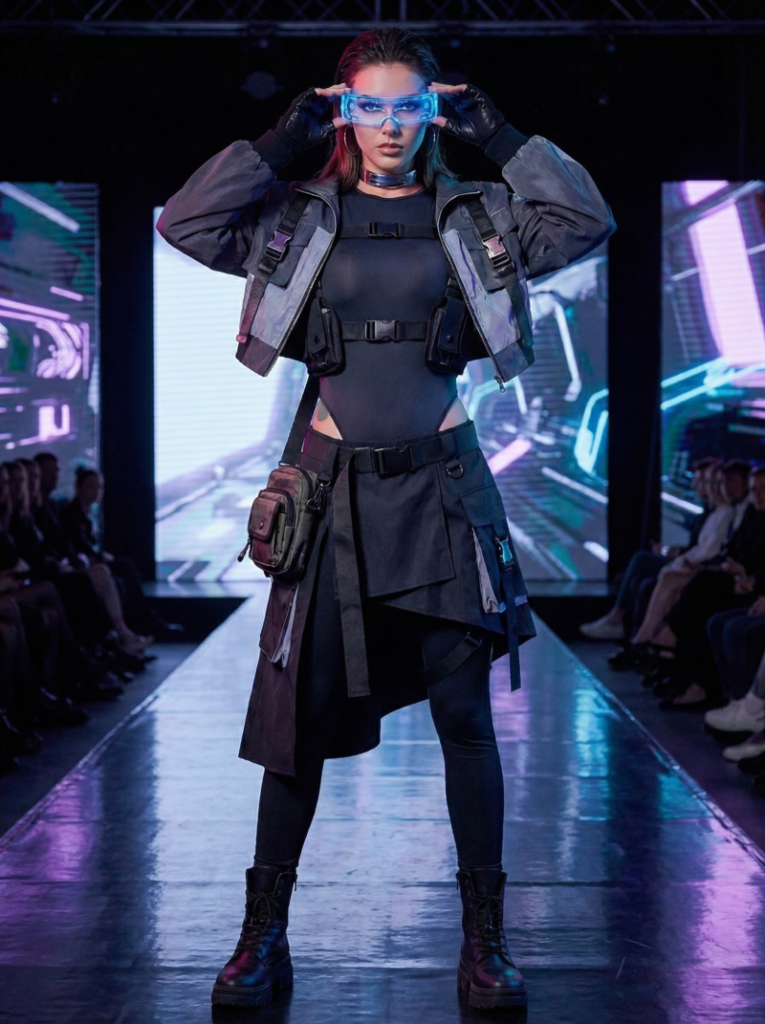
3. Runway Tech

Core Elements: Asymmetrical skirt, tactical belt, and glowing visor.

Analysis: This ensemble uses visual tension and movement to anchor the look in high-end futuristic fashion. It is theatrical yet grounded by heavy modular elements.

cyberpunk aesthetic clothing——Runway Tech
Fashion Diffusion AI-generated

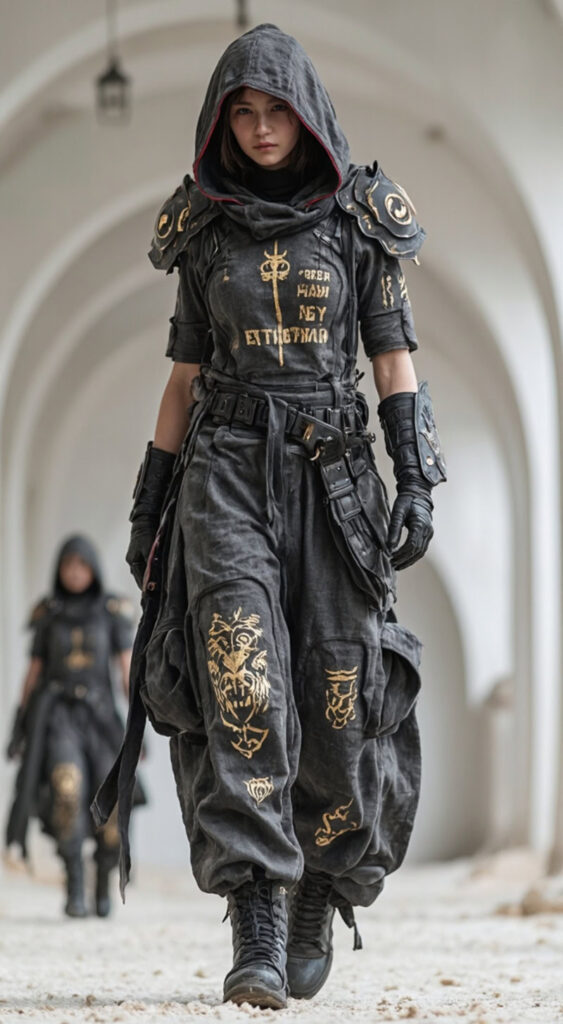
4. Dystopian Grime

Core Elements: Hooded armor, distressed textures, and graphic symbols.

Analysis: Rooted in “survival-driven” design, this look uses muted tones and heavy boots to tell a story of a history shaped by conflict and scarcity.

cyberpunk aesthetic clothing——Dystopian Grime
Fashion Diffusion AI-generated

Men Cyberpunk Aesthetic Outfits: Rugged, Functional, and Futuristic

Men cyberpunk aesthetic outfits focus on functionality, structure, and layered silhouettes, creating a look that is both edgy and utilitarian. Dark tones like black, charcoal, and muted metallics dominate, often accented with neon piping, reflective panels, or tech-inspired hardware. The style blends streetwear, techwear cyberpunk elements, and futuristic silhouettes to create outfits that feel ready for an urban dystopia.

Some popular examples include:

  • Modular Tactical Gear:The focus is on functionality, featuring tactical jackets with multiple zippers, straps, and cargo pockets. Layering hoodies under utility vests adds necessary dimension for an urban-ready feel.
  • High-Visibility & Faction Identity:Modern interpretations include high-visibility pieces, like neon-yellow jackets with patch detailing, evoking the image of a cyberpunk courier or an underground fixer.
  • Dystopian Hardcore:At its darkest, the style leans into a militarized look—all-black leather, reinforced armor panels, and hooded silhouettes that emphasize anonymity and protection beyond the system.

Men outfits in the cyberpunk aesthetic encourage experimentation with proportion, texture, and tech-inspired details. The layering of garments, combined with functional accessories, gives each outfit a dynamic, urban-ready feel. Just like the women side, a few key pieces — a modular jacket or a harness vest — can transform a simple outfit into a fully realized futuristic cyberpunk clothing ensemble.

These examples highlight popular cyberpunk aesthetic outfit ideas for men:

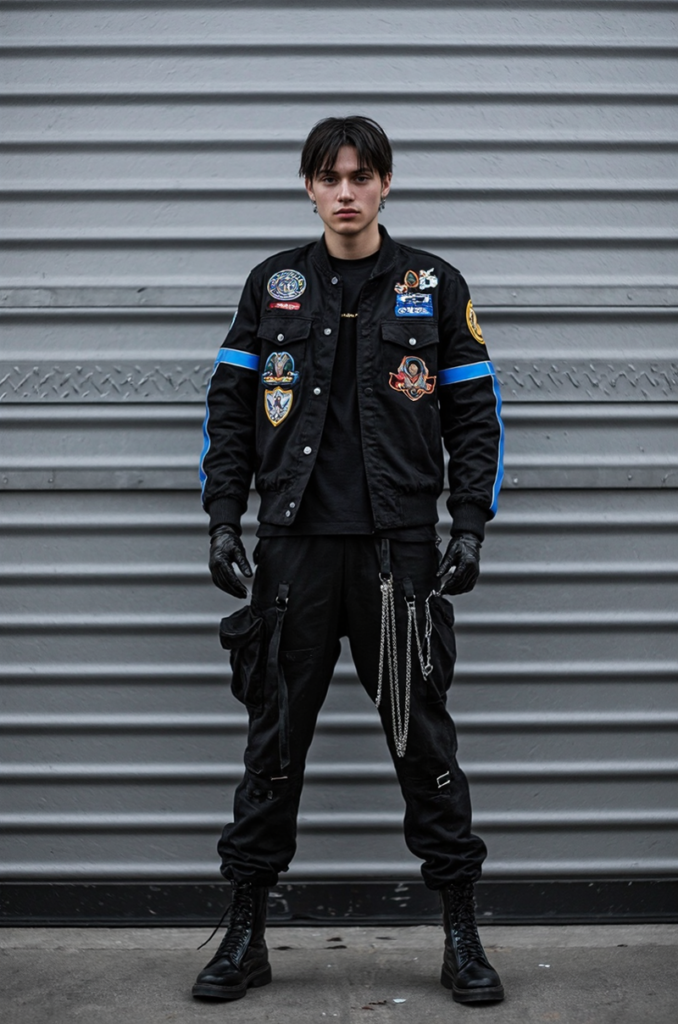
1. Street Militarized

Core Elements: Patch-heavy jacket, hanging chains, and leather gloves.

Analysis: This “covert” vibe features faction-like patches reminiscent of city gangs. It emphasizes a hardened street-warrior image over polished heroics.

cyberpunk aesthetic clothing——Street Militarized
Fashion Diffusion AI-generated

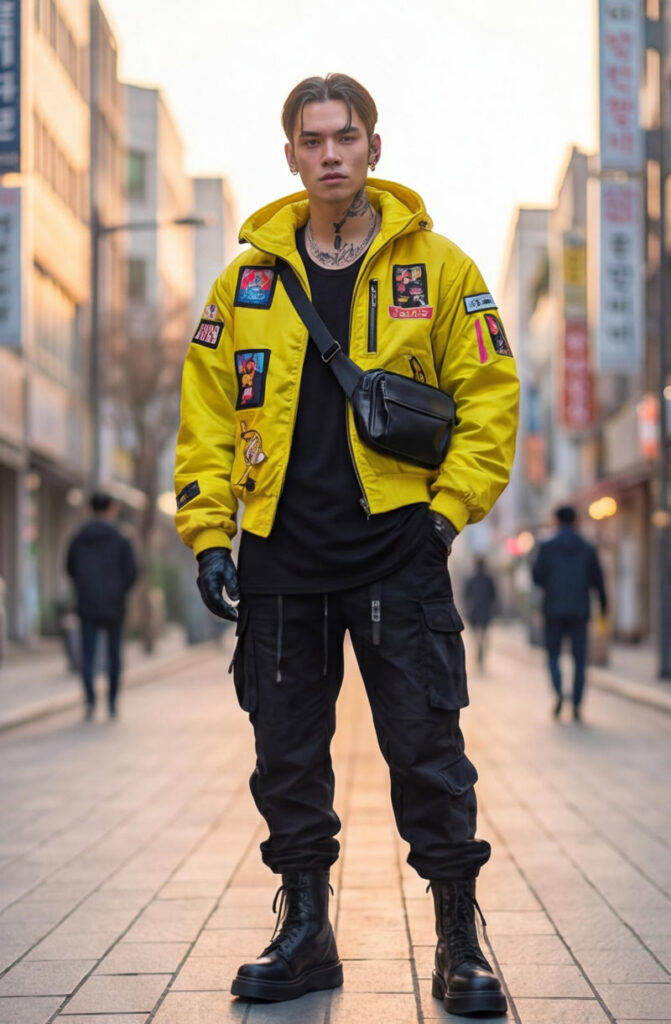
2. High-Vis Tech

Core Elements: Neon yellow signal jacket, crossbody bag, and tactical pants.

Analysis: Designed for high visibility in a concrete jungle. The “hacker-meets-motorcyclist” aesthetic feels perfect for someone navigating a crowded sprawl at dusk.

cyberpunk aesthetic clothing——High-Vis Tech
Fashion Diffusion AI-generated

3. Hardcore Combat

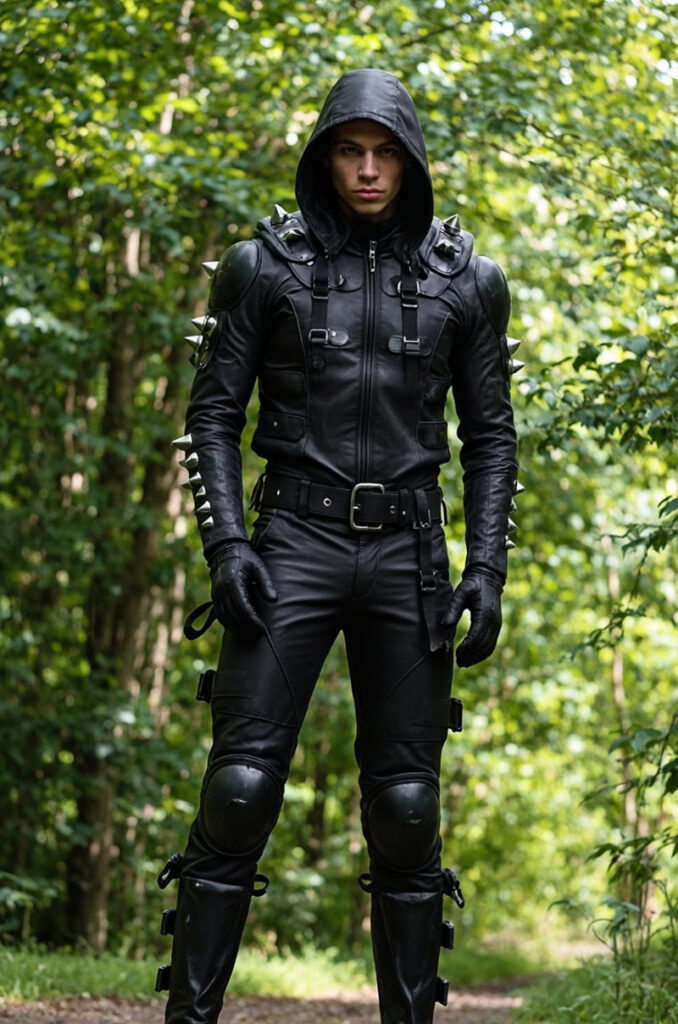
Core Elements: Spiked leather armor, reinforced panels, and an anonymity hood.

Analysis: Cyberpunk at its most militarized. This second-skin effect emphasizes dominance and survival “beyond the system”.

cyberpunk aesthetic clothing——Hardcore Combat
Fashion Diffusion AI-generated

Cyberpunk Aesthetic Clothing in The Age of Digital Fashion and AI

As fashion moves deeper into the digital space, cyberpunk aesthetic clothing feels more relevant than ever. The style’s roots in virtual worlds, futuristic cities, and speculative design align naturally with digital fashion and AI-generated visuals. Cyberpunk futuristic fashion no longer lives only on the runway or in films—it now exists as concepts, renders, and virtual outfits shared online.

AI fashion design tools have made it easier to explore futuristic cyberpunk clothing without physical limits. Designers can test bold silhouettes, experimental materials, and extreme cyberpunk aesthetic outfits in a digital-first environment, where creativity isn’t restricted by production costs. This shift has pushed the cyberpunk clothing aesthetic further into conceptual and visual storytelling.

At the same time, digital platforms are redefining how people engage with cyberpunk aesthetic clothing. Virtual try-on, AI-generated fashion imagery, and digital collections allow both creators and audiences to experience cyberpunk fashion in new ways. If you’re curious about how these ideas connect to modern fashion culture, this breakdown of what cyberpunk fashion means today offers a deeper look at its evolution.

Embracing the Future with Cyberpunk Aesthetic Clothing

Cyberpunk aesthetic clothing is a way to express individuality and a vision of what lies ahead. Whether you are looking for wearable everyday pieces or conceptual digital art, the tools to create your own future are now at your fingertips.

Fashion Diffusion make it easy to bring these imaginative ideas to life. You can design your own digital cyberpunk wardrobe or use AI to visualize entirely new futuristic looks. Step into the future and start building your cyberpunk identity today.

Avatar photo 通过Ethan Davis

AI Sketch Generator: Revolutionize Your Design Workflow in 2026

AI is reshaping fashion design at unprecedented speed, with sketch generators becoming indispensable for creators in 2026. Traditional sketching’s tedious hours, skill barriers, and limited iterations are a thing of the past. Today’s AI sketch generator transforms text prompts or reference images into polished sketches in minutes, freeing designers to focus on creativity over repetition.

These tools don’t replace human artistry; they enhance it. Solutions like Fashion Diffusion, built specifically for fashion’s unique needs, streamline concept-to-render workflows with intuitive features tailored to designers, brands, and students.

Below is a breakdown of how these AI fashion design tools work, real brand success stories, top tool recommendations, and tips to keep AI outputs aligned with your brand aesthetic. Dive into 2026’s design revolution—where speed meets creativity.

What Is an AI Sketch Generator

An AI sketch generator is an AI-driven tool harnessing neural networks and deep learning to swiftly craft sketches, line drawings, or hand-drawn-style illustrations from user inputs like text descriptions or reference pictures, without requiring professional drawing skills.

Unlike manual sketching, an AI sketch generator turns abstract ideas into visual sketches in seconds, mimicking human styles to ensure consistent quality and customization for users of all levels.

Its core value is in democratizing creativity, saving time/costs, and providing versatility. It lets untrained users create high-quality sketches instantly, slashes manual work time, cuts illustrator/art supply costs, and offers diverse styles for needs like character design or social media. For pros, it breaks creative barriers and streamlines workflows as a rapid prototyping tool.

Although these benefits make AI sketch generators highly useful, their ability to produce natural and polished results depends on sophisticated underlying technology. To better understand how they turn simple inputs into refined sketches, let’s delve into how AI sketch generators work.

How an AI Sketch Generator Works

The AI sketch generator turns creative ideas into structured sketches via a streamlined 4-step workflow, using deep learning to ensure speed and alignment with user intent. Here’s a concise breakdown:

1. Input Handling & Intent Understanding

The AI parses user input to grasp creative needs. For text prompts (e.g., “minimalist blouse sketch”), it uses multimodal models to identify key design elements and style. For rough drafts or reference images, it extracts core shapes and edges. User controls (bounding boxes, masks) add precision for design-specific adjustments.

2. Latent Embedding & Creative Planning

The parsed input is converted into a latent embedding, a numerical format that the AI can process. A transformer or LLM then plans stroke order (mimicking human designers, e.g., outlining a silhouette first, then details) to ensure coherent proportions and flow.

3. Sketch Generation (Denoising & Stroke Formation)

Most generators use diffusion models: starting with random noise, they iteratively denoise it into a sketch, guided by the latent embedding. Raster sketches become distinct lines, while vector sketches (ideal for fashion) turn into smooth, scalable Bézier curves. The process is fast, enabling rapid design iterations.

4. Refinement & Output

The AI polishes the sketch by smoothing jagged lines, correcting proportions, and removing redundant marks. It then outputs the final sketch in common formats and supports further edits via new prompts or controls, fitting practical design needs.

AI Sketch Generator vs Traditional Sketching

How ai sketch generators work

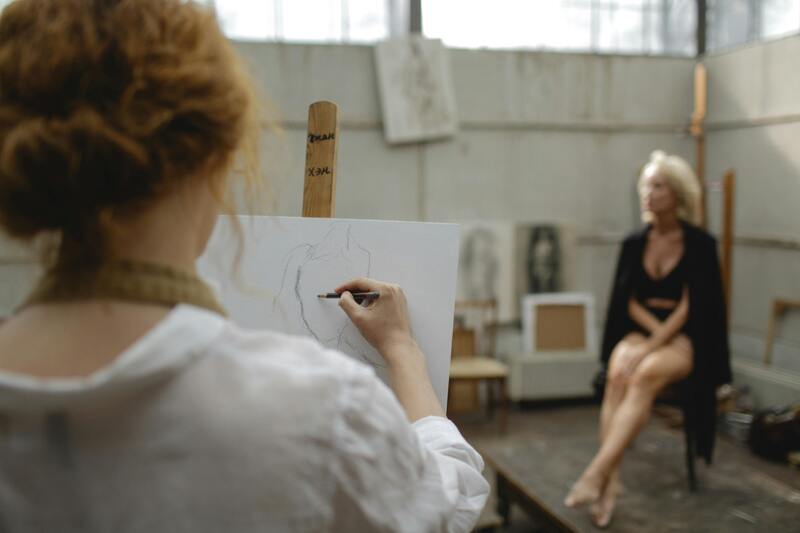
Today’s fashion industry is seeing a quiet but impactful shift in how designs begin. Traditional fashion design starts with a designer’s inspiration, which they then sketch by hand, a process that requires strong drawing skills, careful attention to detail, and plenty of time.

But with the rise of AI, fashion design tools are changing this: designers simply input a text description of their vision, and the AI sketch generator instantly outputs multiple clothing sketch styles, speeding up the initial ideation process.

AI offers speed, efficiency, and endless possibilities, letting designers iterate quickly without needing strong hand-drawing skills. Traditional sketching, on the other hand, brings craftsmanship, emotion, and unique, irreplaceable strokes, each line reflecting the designer’s personal technique and creativity. A detailed comparison table below outlines the strengths, weaknesses, and ideal use cases of both approaches.

Comparison Table

CriteriaAI Sketch GeneratorTraditional Sketching
SpeedInstant. Generates high-quality sketches in seconds or minutes.Time-Consuming. Requires hours, days, or even weeks to complete a detailed piece.
Skill RequirementLow. No drawing skills needed. Requires proficiency in writing effective prompts.High. Demands mastery of perspective, shading, composition, and hand-eye coordination.
Creative ControlIndirect. You guide the AI through text; results can be unpredictable.Absolute. Every line, stroke, and detail is directly controlled by the artist’s hand.
Originality & StyleDerivative. Mimics styles based on training data; risk of generic results or accidental plagiarism.Unique. Style is a direct reflection of the artist’s personal technique and emotional expression.
IterationUnlimited. Generate dozens of variations instantly to explore different concepts.Limited. Redrawing or modifying requires starting over or physically altering the artwork.
Emotional ConnectionResult-Oriented. The focus is on the final image; the process feels more technical.Process-Oriented. The act of drawing is meditative and expressive; imperfections add character.
ToolsDigital. Requires a device and internet.Physical. Requires paper, pencils, erasers, etc.
CostSubscription fees may apply for premium tools.Costs accumulate with material consumption.
Best Use CasesConcept art, fashion design ideation, storyboarding, generating references, exploring new styles.Fine art, life drawing, building foundational skills, detailed illustrations, personal journals.

The comparison highlights a clear contrast: An AI sketch generator excels in speed, iteration, and accessibility, while traditional sketching offers unmatched creative control, originality, and emotional depth. For many fashion professionals, the choice is no longer between one or the other, but how to integrate both into a more efficient and versatile design workflow.

Why Fashion Designers Are Switching to AI Sketch Generator in 2026

Against this backdrop of evolving tools and shifting workflows, it is becoming increasingly clear why AI is emerging as a dominant force in fashion design.

The advantages of AI sketch generators—speed, scalability, and the ability to explore hundreds of ideas in minutes—are reshaping how designers approach their creative process. As the industry moves into 2026, more fashion creators are turning to AI not just as a convenience, but as a fundamental part of their design toolkit.

Key Use Cases: AI Sketch Generator in Fashion Design

AI is transforming the design workflow by enabling creators to manipulate visual elements with unprecedented precision. Beyond just generating images, these tools are being used to solve specific, high-stakes design challenges:

  • Rapid Silhouette Iteration: Designers can instantly test how a garment’s structure changes when modified—expanding a shoulder, cinching a waist, or altering the length. It allows for the rapid refinement of the core shape before any fabric is cut.
  • Fabric and Texture Experimentation: AI excels at rendering complex textures. Designers use it to overlay different materials onto a base sketch to see which combination creates the most striking visual impact.
  • Cohesive Collection Visualization: Maintaining a consistent theme across an entire collection is simplified. By using a consistent seed image or prompt style, designers can ensure that 20 different looks feel like they belong to the same story.

To see these use cases in action, below are real-world examples of how leading fashion brands leveraged those AI sketch generators to bring creative visions to life.

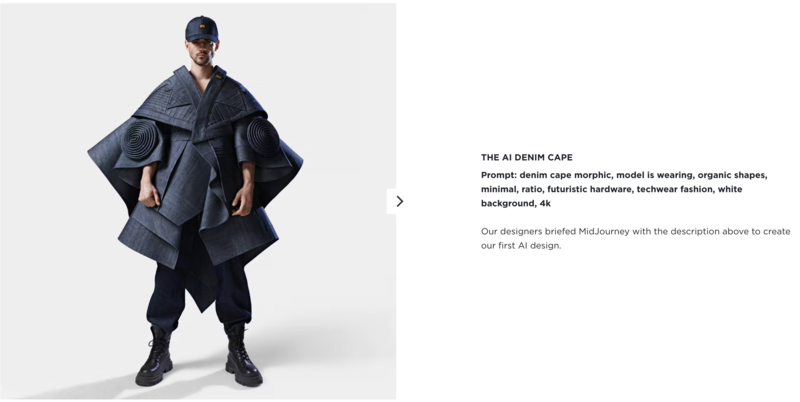
G-Star Raw x MidJourney

Dutch denim brand G-Star Raw harnessed the power of MidJourney to develop an avant-garde denim collection, inputting prompts focused on sculptural silhouettes and futuristic denim details.

The tool generated 12 distinct sketch concepts, from structured jackets to innovative boots, in just a few days. It is a process that traditionally would have taken weeks of hand-drawing and brainstorming. Designers selected one concept for full production, streamlining the initial ideation phase and accelerating time-to-market for the new line.

G-Star Raw x MidJourney
Photo from G-star

Kate Spade New York x Adobe Firefly

Tapestry, the parent company of Kate Spade New York, integrated Adobe Firefly Customised Models into its design workflow to scale creativity while preserving the brand’s iconic, playful, and polished aesthetic. The team trained Firefly on Kate Spade’s archival patterns, textures, and silhouettes, allowing designers to generate on-brand sketch concepts in minutes rather than weeks.

Handbag and accessories designer Gurashish Kaur noted that Firefly’s realistic renderings made collaboration with product development and marketing teams faster, eliminating lengthy back-and-forth over hand-drawn sketches and reducing revision cycles.

Kate Spade New York x Adobe Firefly
Photo from Adobe for Business

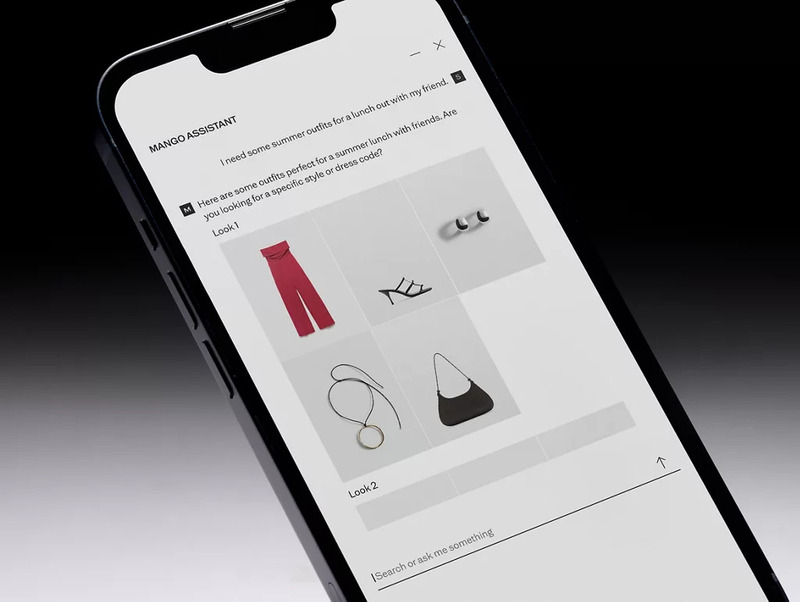
Mango x Mango Stylist  

In July 2025, Mango launched Mango Stylist, an AI-powered virtual fashion assistant integrated into its e-commerce platform and Instagram. Beyond delivering personalized outfit recommendations via natural conversation, the tool’s user preference data (e.g., favored silhouettes, fabric textures, or print styles) directly informs the brand’s design team, guiding AI sketch iterations for future collections.

This aligns with Mango’s broader AI strategy, complementing its 15+ machine learning tools to bridge consumer insights with rapid sketch ideation across nine key markets.

Mango x Mango Stylist
Photo from Mango Pressroom

Revolve x MidJourney/Stable Diffusion  

American e-retailer Revolve experimented with AI sketch generators during New York’s first AI Fashion Week, using MidJourney and Stable Diffusion to create initial sketches for potential new designs. The brand generated dozens of sketch variations for trend-driven pieces, then tested customer response to the AI-created concepts online.

Only the sketches that resonated with consumers were selected for full production, minimizing overproduction risk and ensuring the final line aligned with customer demand. This approach reduced waste and improved efficiency, as Revolve avoided investing resources in designs with little market interest.

H&M Studio x Digital Twins

H&M Studio is exploring emerging technologies like generative AI to amplify creativity and reimagine how we showcase fashion. The technology offers an opportunity to enhance storytelling and find new ways to connect with our customers, while staying true to H&M Studio’s style-led, human-centric identity. We remain committed to empowering self-expression and liberating fashion for the many.

By leveraging AI to generate initial design sketches, the design team can rapidly explore a multitude of creative directions and refine silhouettes at an unprecedented pace. It allows the studio to minimize waste by testing concepts virtually before physical production.

H&M Studio x Digital Twins
Photo from H&M News

Best AI Sketch Generator for Fashion

To find the best fit for your fashion design workflow, the top 10 AI sketch generators online tailored to the industry are curated below. Each tool offers unique features to meet different needs, from beginner-friendly interfaces to production-ready outputs and seamless integration with 3D prototyping or collaborative workflows.

AI-Powered Sketch Generators (Ideal for Concept Ideation)

  • Fashion Diffusion: An AI platform for designers/brands, with core features like Image to Sketch, Text to Sketch, and Sketch to Render, speeding up concept development with high-quality visuals.
  • Style3D AI: A 3D visualization tool that converts flat sketches to 3D, simulates fabric movement, and bridges concept and production stages.
  • OpenArt: A beginner-friendly AI platform for creative exploration, generating sketches from text prompts and aiding mood board creation for early-stage ideation.      

Professional Vector Tools (Ideal for Technical Precision)

  • Adobe Illustrator: A subscription-based classic for precise vector flats, technical drawings, and production-ready visuals.
  • Affinity Designer: A one-time purchase alternative to Illustrator, offering professional vector sketching and flats with a lighter, easier-to-learn interface.    

Digital Hand-Drawing Tools (Ideal for Natural, Freehand Sketches)

  • Sketchbook: Intuitive freehand tool with diverse brushes and layers, perfect for natural, loose, early-concept sketches.
  • MediBang Paint: A free, lightweight tool for quick, detailed sketches, with cloud storage and simple controls, great for students and independent designers.

Template & Presentation Tools (Ideal for Fast, Structured Workflows)

  • Canva: User-friendly platform for mood boards and concept presentations (drag-and-drop, no design background needed—not for detailed sketches).
  • Repsketch: A fashion-specific tool with industry-standard templates, streamlining professional sketch creation and maintaining proportion consistency.
  • Pret-a-Template: Low-learning-curve tool with ready-made body/garment templates, speeding up early concept planning and consistent design exploration.

Benefits of Using Fashion Diffusion for Fashion Designers

Among the AI-powered tools supporting fashion sketching workflows, Fashion Diffusion focuses on addressing common pain points throughout the design process.

Designed to reduce tedious manual work while maintaining a practical level of precision, its core features work together to streamline creative and operational efficiency, serving as a useful tool for designers, students, and brands.

Text-to-Sketch

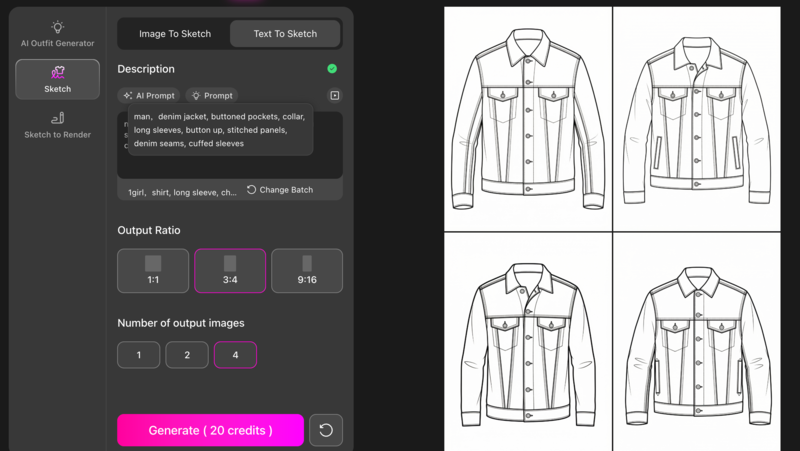
Many designers struggle to translate verbal concepts into initial sketches, and this is where the AI sketch generator from text adds practical value. To use it, simply input a clear design description (e.g., “asymmetrical off-shoulder dress with ruffled hem” or “oversized denim jacket with cargo pockets”) into the tool. The AI processes the text and generates stylistically consistent sketches that capture core design details, even for users with no advanced drawing experience.

When you are stuck for ideas on what to write, you can also use the AI prompts provided by the tool to generate text content.

Fashion Diffusion-Text to Sketch

Key advantages:

  • Turns abstract ideas into tangible visuals in a short time.
  • Enables quick exploration of multiple design directions.
  • Helps design students bridge the idea-to-sketch gap before moving to manual drafting.
  • Provides usable silhouettes for early concepts.

Image-to-Sketch

Fashion inspiration often starts with visuals—fabric swatches, street style photos, vintage garment shots, or fabric drape images. Translating these references into clean line drawings traditionally requires hours of manual tracing, but Image to Sketch simplifies the process: upload any reference image, and the AI automatically extracts key design elements to generate customizable line drawings.

No complex editing skills are needed, and the output serves as a ready-to-refine foundation for further tweaks.

Fashion Diffusion-Image to Sketch

Key advantages:

  • Cuts down on repetitive tracing work, saving time for students and textile designers alike.
  • Maintains garment structure and detail accuracy, with clean outlines that minimize rework.
  • Works seamlessly with simple geometrics and basic prints.
  • Eliminates the need to start technical drawings from scratch.

Sketch-to-Render

After completing sketch creation, whether via Image to Sketch, Text to Sketch, or manual drafting, Fashion Diffusion offers a seamless next step: transforming those rough line drawings into production-ready, presentation-worthy visuals with Sketch to Render.

Rough sketches often fail to convey fabric texture, color, or depth, which can hinder communication with clients or production teams. This tool solves that by adding customizable colors, fabric details, and subtle shadows to bring designs to life.

The workflow is intuitive: upload a finished sketch, enter desired fabric properties and color palettes, and the AI elevates the draft into a high-fidelity render. This completes the design cycle, taking a concept from an initial reference or text idea, through structured sketching, to a polished visual ready for real-world use.

Fashion Diffusion-Sketch to Render

Key advantages:

  • Creates intuitive, lifelike visuals that help clients better understand design proposals.
  • Reduces sampling costs by enabling buyer approvals before physical samples are produced.
  • Streamlines the transition from concept sketch to production-ready or presentation-worthy visualization.

AI Outfit Generator

The AI Outfit Generator simplifies crafting effective design prompts, ensuring users get precise visual results. For those unsure how to phrase ideas, the tool suggests detailed, fashion-specific prompts. Alternatively, upload an existing image (mood board snippet, garment photo, reference sketch), and the AI reverse-engineers a precise prompt that captures the image’s style, silhouette, and details.

How to Ensure AI-Generated Sketches Match the Brands Aesthetic

Maintaining brand consistency is crucial for fashion labels. AI sketch generators, while powerful, can produce generic results if not guided strategically. Below is a streamlined framework to align AI outputs with your brand’s unique aesthetic, ensuring every sketch feels authentic.

1. Define Your Brand Aesthetic Blueprint

First, codify your brand’s visual DNA into an actionable blueprint to guide the AI:

  • Core Visual Elements: Document signature silhouettes (e.g., “oversized fits,” “fitted waistlines”), brand-exclusive color palettes (primary/secondary/accent hues to prioritize/avoid), key textures (e.g., “distressed denim,” “matte organic cotton”), and recurring details (e.g., “embroidered logos,” “ruffled hems”).
  • Style Vibe: Capture the emotional tone (e.g., “whimsical feminine,” “futuristic techwear”) with references from past collections to avoid vague direction.

2. Craft Brand-Specific Prompts

Vague prompts lead to generic results. So, refine your input with brand-centric details:

  • Anchor with Brand Identity: Start prompts with your brand name (e.g., “Kate Spade New York-style crossbody bag”).
  • Weave in Blueprint Cues: Combine silhouette, color, and texture descriptors (e.g., “[Brand Name] minimalist linen shirt, oversized fit, cream color, subtle chest pocket, matte texture”).
  • Avoid Generic Terms: Replace broad words (e.g., “trendy”) with precise language (e.g., “utilitarian cargo pockets,” “brass hardware”).

3. Use Reference Images as AI Guides

Supplement prompts with visual anchors from your brand’s portfolio:

  • Upload a “Seed Image”: Select a best-selling piece that embodies your aesthetic, then prompt the AI to build on it (e.g., “Generate a new [Brand Name] dress using this seed image’s silhouette, with summer lace sleeves”).
  • Adjust Reference Influence: Control how closely the AI mimics the reference (e.g., 70% influence for core consistency + new details).

4. Add Human Refinement

AI sketches are a starting point. The next step is injecting brand personality with human tweaks:

  • Edit in Professional Tools: Import AI outputs into Adobe Illustrator or Affinity Designer to adjust proportions, add signature details, or align colors with your exact palette.
  • Incorporate Hand-Drawn Elements: Add irreplaceable brand signatures (e.g., custom logos, hand-stitched details) that AI can’t replicate.

Embrace the Future of Fashion Design with Fashion Diffusion

AI sketch generators are not just a trend. Instead, they are the new foundation of efficient, boundary-pushing fashion creation. By turning text prompts and reference images into polished sketches in seconds, streamlining iterations, and bridging concept to production, these tools free creators to focus on what truly matters: innovation, brand storytelling, and emotional resonance.

So, ready to revolutionize your design process? Try Fashion Diffusion now. Experiment with fabric textures, iterate on silhouettes, and transform rough drafts into production-ready renders—effortlessly.

The future of fashion design is fast, creative, and accessible—and it starts with your first sketch!

FAQ

Are free AI sketch generators reliable for professional fashion design?

Free AI sketch generators are great for early-stage concept ideation, mood boards, or student projects. However, for professional production, premium tools are more reliable: they provide higher resolution, customizable styles, and integration with industry-standard workflows. Free tools may have limitations like watermarks, limited iterations, or generic results.

Can AI sketch generators replace fashion designers?

No. AI sketch generators are productivity tools, not replacements for designers. They handle repetitive tasks and break creative blocks, but lack the human ability to interpret trends emotionally, inject brand storytelling, or make nuanced design decisions. The most effective workflow combines AI’s speed with designers’ creativity.

Do I need technical skills to use AI sketch generators for fashion?

No. Most tools are designed for low technical barriers. Beginners only need to: 1) Write clear prompts; 2) Upload reference images; 3) Adjust basic settings. For advanced use (e.g., custom models, 3D integration), basic familiarity with design software (e.g., Illustrator) helps, but it’s not mandatory—many brands train teams on AI tools in 1-2 sessions.

How to avoid copyright issues when using AI sketch generators?

To mitigate copyright risks: 1) Use tools trained on licensed data; 2) Avoid inputting copyrighted reference images; 3) Train custom models with your brand’s original archive; 4) Modify AI outputs significantly to ensure originality; 5) Check tool terms of service—some require attribution for commercial use.

Avatar photo 通过Ethan Davis

Virtual Model AI for Fashion E-Commerce: Everything You Need to Know

When Louis Vuitton featured the virtual model Lightning in a campaign, it wasn’t a stunt. It was a clear signal that fashion is rapidly moving toward AI-powered modeling and visual production.

Today, virtual models are revolutionizing fashion e-commerce—enabling brands to generate on-model product images instantly, digitally fit clothing, and scale content creation without studios, logistics, or costly reshoots.

This article provides a complete guide to AI virtual models, covering what they are, how they work, their key benefits, and practical steps to create them.

What Is an AI Virtual Model?

Virtual Models AI for Fashion E-Commerce

AI Virtual Models form the digital foundation of visual content in fashion e-commerce. They are hyper-realistic, human-form digital assets created entirely by AI, designed specifically for the professional display of clothing and accessories.

Key Concept

An AI Virtual Model is a photorealistic, three-dimensional (3D) human likeness created using Generative Artificial Intelligence to replace live photoshoots.

Unlike traditional models, AI virtual models are fully digitized assets—from skin texture to every strand of hair. They’re not retouched photographs; they are infinitely customizable digital humans whose appearance, body type, pose, and expression can be adjusted on demand. 

Three Main Types of AI Virtual Models

Although all are digital human representations, virtual models generally fall into three key categories based on how they’re used in fashion:

1. Product Display Models

​​These virtual models are built to serve Product Detail Pages (PDPs) and large-scale e-commerce workflows. Their purpose is to showcase clothing accurately—capturing fit, drape, texture, and proportions across different body types and sizes.

They prioritize realism, consistency, and repeatability, without the need for personalities, stories, or social media presence.

2. Virtual Try-On for Customers

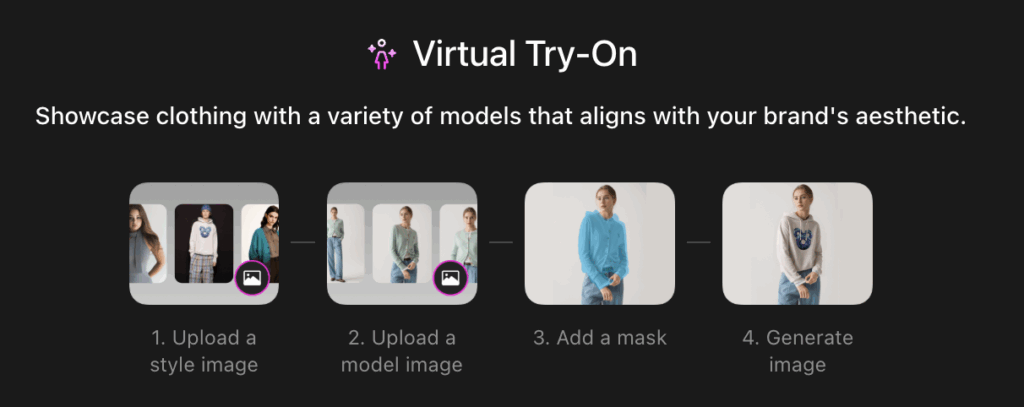
Virtual try-on (VTO)  allows shoppers to visualize how a garment looks and fits on their own body shape or a personalized digital double, often using Augmented Reality (AR) or AI body mapping.

The key value is 1:1 personalization and maximizing fit accuracy. This is a direct tool to boost purchasing confidence and reduce return rates. For instance, major platforms like Google Shopping have integrated VTO capabilities, allowing users to virtually ‘try on’ clothes directly within the search environment.

3. Virtual Fashion Influencers

These models act as digital brand ambassadors, designed for campaigns, storytelling, and social engagement. They are given distinct personalities, aesthetics, and narratives. The goal is to build audience affinity and community, giving brands a fully controlled representative who can appear in campaigns, videos, and influencer-style content.

One of the most globally recognized examples is Lil Miquela, a fictional, computer-generated influencer created by the robotics and AI firm Brud in 2016. With millions of followers on Instagram, she has successfully partnered with luxury brands such as Prada and Calvin Klein.

How AI Virtual Models Work

Understanding the mechanics behind AI virtual models is crucial for brands selecting the right content production strategy. Currently, two primary technological streams are used to create these digital assets: CGI and Generative AI, both offering different trade-offs in control, speed, and cost.

However, the efficiency, scalability, and lower technical barriers have made AI virtual modeling the dominant choice for high-volume fashion e-commerce today.

CGI Virtual Models

This method relies on Computer-Generated Imagery (CGI) and 3D graphics software. Professional 3D artists manually sculpt and texture the virtual model, creating a detailed digital skeleton (rig) and skin. The garment is either designed digitally or recreated from a physical scan, then digitally “dressed” onto the rig.

It offers the highest level of precision and control over every detail, ensuring perfect anatomical accuracy and lighting. However, the drawbacks are significant. The process is highly labor-intensive, requires specialized artistic and technical skills, and results in high upfront costs and slow production cycles.

AI Virtual Models

This is the cutting-edge method that makes virtual modeling accessible and scalable. It leverages advanced Diffusion Models to merge existing product images with generated human forms.

Unlike CGI’s reliance on manual 3D modeling, Generative AI uses Image-to-Image synthesis techniques to create the final visual. The central concept is the decoupling of the garment from the model. 

AI is extensively trained on vast datasets to understand textile behavior and how those textiles interact with the human form. When a user provides a flat-lay image and a text prompt, the AI performs two critical tasks:

  • Model Generation: Generates a high-quality digital human figure matching the user’s prompt (pose, light, and features).
  • Garment Fitting: It intelligently extracts the texture and pattern from the flat-lay image. Then it projects it onto the generated digital figure, adjusting for perspective and simulating realistic wrinkles and folds based on the model’s pose.
AI Virtual Model

Generative AI may occasionally require minor post-production cleanup and offers less absolute control than bespoke CGI. However, its advantages in speed, scalability, and cost-efficiency cement its status as the superior choice for high-volume fashion e-commerce today.

Benefits for Fashion Brands & E-commerce

AI Virtual Models aren’t just a new way to produce visuals—they solve long-standing challenges in fashion e-commerce, from production bottlenecks to consistency issues across SKUs. 

For brands managing large assortments or frequent drops, AI virtual models create a faster, more controllable, and more cost-effective workflow.

Operational Efficiency

The immediate gains from using virtual models are seen in the streamlining of the content production pipeline, directly addressing the pain points of physical photography.

Lower Production Costs

Virtual models remove many of the major expenses tied to traditional photoshoots—model fees, studio rentals, travel, and constant reshoots. Once the core digital model is created, producing new images becomes a predictable, low-cost process, especially for large catalogs.

Quick Turnaround Time

By eliminating the need for casting, scheduling, travel, makeup, and physical studio time, brands can generate thousands of modeled images in hours, not weeks. This speed allows for quicker reactions to market trends, inventory changes, and immediate product launches.

Full SKU Coverage

With a reusable virtual model, brands can generate on-model imagery for every item in the collection—including colorways, replenishments, and products still awaiting final samples. This solves the common problem of mismatched or incomplete PDP visuals during new drops.

Brand Visuals

Virtual models empower brands to deliver a more effective and ethical visual experience to their customers, directly impacting conversion and loyalty.

Visual Consistency

Virtual assets guarantee uniformity in every image. Lighting, angle, pose, and background can be perfectly replicated across hundreds of product pages. This gives e-commerce sites a cleaner, more professional look and builds greater trust for first-time buyers.

Inclusive Representation

Fashion Diffusion AI-Generated

Brands can easily adjust a virtual model’s body type, skin tone, and features to reflect different customer segments. This allows shoppers to better visualize fit and styling, which often leads to higher engagement and fewer returns.

Strategic Growth

Beyond operational gains, virtual models offer critical long-term benefits related to brand strategy and corporate responsibility.

Marketing Control and Safety

Brands maintain absolute control over the virtual model’s persona, eliminating the risk of reputational damage, social media scandals, or contractual issues associated with human influencers and public figures.

Sustainable Development

By reducing the need for travel, shipping samples, and physical resources, virtual content creation significantly lowers the brand’s carbon footprint, aligning with growing consumer demand for sustainable practices.

Creative Expression

Virtual environments are unconstrained by physics. Brands can achieve highly creative, hyper-realistic, or abstract visual effects, poses, and settings that would be either impossible or prohibitively expensive to capture in a physical studio.

How to Create Virtual Models Using FashionDiffusion.ai

Creating professional, photorealistic virtual models has never been easier. With Fashion Diffusion, fashion e-commerce brands can transform sketches, flat-lays, or product photos into on-model visuals in just a few steps.

Fashion Diffusion: Virtual Try-On

4 Steps to Create a Virtual Model

The process of bringing your apparel to life with AI is fluid and simple, designed to maximize both speed and creative control without learning curves:

4 Steps to Create a Virtual Model in Fashion Diffusion

1. Upload Source Image

Start by uploading your garment’s source image—whether it’s a standard flat-lay photograph or an existing model photo. The AI instantly scans and identifies the crucial clothing contours and fabric details.

With Fashion Diffusion’s image/text to sketch tools, even hand-drawn designs or just text descriptions can become professional assets—laying the groundwork for virtual try-on.

2. Select Your AI Model

Next, find the perfect model for your garment. Browse the platform’s diverse virtual model library, featuring various body types, skin tones, genders, and poses. Whether you’re showcasing casual wear or high-fashion collections, there’s a model to match every style.

For brand consistency, the Face Swap feature allows you to apply brand-specific facial aesthetics. You can also customize body shape, skin tone, and hairstyle, ensuring your virtual models reflect your target audience and diversity goals. All models are saved in your personal gallery for reuse in future collections, keeping visuals consistent across campaigns.

3. Apply Smart Masking

To achieve lifelike results, guide the AI using masking tools to lock the garment areas. The system then automatically optimizes alignment, ensuring natural folds, realistic draping, and zero awkward distortions.

This step guarantees that every on-model image looks authentic, giving your customers a clear view of fit and style, just like a professional photoshoot.

4. Generate AI Fashion Photos

Finally, hit “Generate” and watch the AI work its magic. The platform seamlessly combines your model’s pose, the clothing dynamics, and lighting settings to produce HD, photorealistic renders in seconds.

These images are ready to deploy across product pages, social media, or marketing campaigns. With FashionDiffusion, brands can quickly scale content production, showcase every SKU, and experiment with creative visuals without the costs or delays of traditional photography.

The Future of AI Virtual Models

AI virtual models are no longer experimental visuals—they are rapidly becoming the new standard for fashion e-commerce. Adopting AI virtual modeling today is not merely about cutting costs. It’s about future-proofing visual strategy and investing in the immersive, personalized shopping experiences that customers will soon demand. 

Looking ahead, the evolution of AI modeling will accelerate beyond static images. We anticipate a shift toward high-quality AI-generated video, personalized Virtual Try-On (VTO) experiences, and seamless integration into AR and the Metaverse. 

For fashion brands and e-commerce teams, now is the moment to build the foundation. Try Fashion Diffusion.ai to adopt virtual models without technical barriers—reducing production costs, accelerating launches, and expanding creative possibilities from day one.

FAQs

What is an AI virtual model?

An AI virtual model is a photorealistic digital human used to display clothing online, allowing brands to produce scalable, consistent on-model images without physical photoshoots.

What is an AI-generated influencer?

An AI-generated influencer is a computer-created personality that produces photos, videos, and social content, allowing brands to run campaigns without relying on real creators.

Are there any free AI fashion virtual model generators?

Yes. You can find AI tools that offer a free trial to generate virtual models for product displays, letting brands test outfits, build lookbooks, and create marketing visuals at no cost.

How are virtual models used for clothes and jewelry?

Virtual models display clothing and jewelry in realistic poses, helping brands showcase fit, styling, and details without physical shoots—ideal for e-commerce, lookbooks, and social campaigns.

How to make an AI virtual model?

You can create an AI virtual model by uploading reference images, choosing a base model, and customizing body type, face, and style using virtual try-on tools like FashionDiffusion.ai.

Avatar photo 通过Ethan Davis

AI Fashion Design: The Future of Creative Clothing Design (2025 Guide)

The fashion industry has always been synonymous with creativity, but as we step into 2025, a powerful new collaborator is reshaping the design landscape: Artificial Intelligence (AI). AI Fashion Design is no longer a futuristic concept; it’s a present-day reality that is fundamentally altering how clothing is conceived, designed, and produced.

This comprehensive guide explores the current state of AI Fashion Design, the essential tools available, key trends, and how designers can integrate AI into their creative workflow.

What Is AI Fashion Design?

AI fashion design is the use of artificial intelligence technologies—like machine learning, computer vision, and generative design—to assist or automate parts of the fashion creation process. Instead of starting from a blank sketchpad, designers can now collaborate with AI systems that generate new silhouettes, predict trends, or even simulate materials in 3D.

Common AI applications in fashion design include:

  • Generative AI tools that create design concepts and color palettes.
  • AI pattern-making systems that optimize fabric usage.
  • Trend prediction algorithms that analyze global data to forecast what’s next.
  • Virtual design studios that visualize outfits in real time.

AI doesn’t replace human creativity—it amplifies it. Designers gain more time for storytelling and innovation while AI handles repetitive or data-heavy tasks.

How AI Is Transforming Fashion Design in 2025

The year 2025 marks a critical inflection point where Artificial Intelligence (AI) ceases to be a novelty and becomes foundational to the creative and commercial success of the fashion industry. The transformation is defined by five synergistic shifts:

1. Data-Driven Creativity and Trend Mastery

AI acts as a tireless trend forecasting engine, analyzing massive, siloed datasets—from global runway archives and social media sentiment to minute-by-minute sales and search queries. This capability allows designers to move beyond mere intuition; they gain predictive mastery.

AI identifies emerging aesthetics and consumer desires with precision, ensuring that creative collections resonate powerfully with the market upon launch, minimizing commercial risk.

2. Radical Acceleration of Design Cycles

Design cycles that once took months can now happen in days. AI tools can instantly create dozens of mood board variations, sketch silhouettes, and even simulate how fabrics behave in motion.

This doesn’t just save time; it allows brands to react quickly to cultural shifts. Whether it’s a viral TikTok aesthetic or a new seasonal trend, designers can turn concepts into visuals in hours using AI outfit generators like Fashion Diffusion.

For independent creators or small labels, this speed levels the playing field—enabling them to compete with larger brands that once dominated production timelines.

3. Hyper-Personalization at Scale

AI fashion design is making mass personalization a reality. Instead of designing for general demographics, brands can design for individuals.

By analyzing a user’s preferences, purchase history, or body measurements, AI can generate personalized outfit recommendations or even custom clothing designs. This bridges the gap between creative vision and consumer demand—delivering pieces that feel uniquely “you.”

It also strengthens brand loyalty. When customers feel that a design understands their style, they’re far more likely to engage, purchase, and advocate for the brand.

4. Mandating Sustainable Innovation

AI serves as the industry’s most powerful ally in addressing the global sustainability crisis. It drives efficiency by optimizing fabric cutting patterns to achieve zero-waste layouts and streamlines supply chains to minimize carbon emissions. Furthermore, sophisticated generative models can simulate new, eco-friendly materials and rigorously test their durability and performance digitally, moving the industry toward a truly circular design process.

5. The Rise of Phygital Fashion and Virtual Commerce

Through AI outfit generators and increasingly accurate Virtual Try-On (VTO) experiences, customers can preview designs on personalized 3D avatars before making a physical purchase. This innovation significantly lowers return rates and aligns with the massive growth of digital fashion as a viable product category within gaming, Augmented Reality (AR), and metaverse ecosystems, blurring the lines between physical and virtual apparel.

Top AI Fashion Design Tools in 2025

The ecosystem of AI fashion tools is growing rapidly. Below are some of the most promising platforms in 2025 that empower designers and brands to innovate faster and smarter:

ToolCore Feature / StrengthBest For / Use Case
Fashion DiffusionText/sketch to photorealistic design visuals, virtual try-on, recolor, background changeAll-in-one AI design & marketing tool
The New BlackRapid concept generation and customizationDesigners creating original, brand-specific styles
Resleeve.aiPhotorealistic fashion visuals, brand-style trainingIndie designers & marketing visuals
CLO 3DTrue-to-life 3D garment simulation and fittingTechnical designers, pattern makers
BrowzwearEnd-to-end 3D workflow with accurate fabric physicsBrands focusing on production-ready 3D
BotikaAI on-model generation for e-commerce photosFashion retailers needing scalable visuals
YesPlzChatGPT-powered AI stylist & visual discoveryOnline stores optimizing user experience
DesignovelAI trend forecasting & design analyticsBrands using data to guide creative decisions
MakethedotAI-assisted pattern generation & gradingTechnical design and production teams
AbloCollaborative AI design platformStartups & co-creation teams
Vue.aiAI personalization, styling & virtual try-onE-commerce fashion platforms
HeuritechPredictive trend analytics from social dataTrend and merchandising departments
Lalaland.aiAI-generated diverse virtual modelsInclusive fashion e-commerce and campaigns
Reface AIFace-swap & digital modeling for campaign creationCreative marketing and virtual shoots
ArtbreederGenerative AI for creative concept explorationFashion concept artists & mood board ideation

Why Fashion Diffusion Leads the New Wave of AI Fashion Design

AI Fashion Design Tool | Fashion Diffusion

At the center of the next-generation AI design landscape, Fashion Diffusion stands out as a complete creative ecosystem built specifically for fashion designers, brands, and visual creators. It’s not just another AI generator—it’s a platform designed to accelerate every stage of the creative process, from concept to campaign.

Beyond visual generation, Fashion Diffusion also offers:

  • Text-to-Sketch & Sketch-to-Render: Turn text prompts or sketches into multiple design variations and photorealistic visuals within seconds.
  • AI Image Editing: Built-in tools for recoloring, background removal, model swap, and upscaling—ideal for e-commerce and social visuals.
  • Fabric Simulation: Upload fabric patterns or textures and preview realistic materials directly on your AI designs.
  • Virtual Try-On: Generate lifelike model shots, switch backgrounds, or test garments on different body types instantly.
  • Style Innovation & Fusion: Modify design strength or combine two styles to explore new creative directions effortlessly.

Fashion Diffusion helps creators design faster, visualize better, and reduce production costs—enabling a more efficient and sustainable fashion workflow.

How to Integrate AI into Your Fashion Design Workflow

Embracing AI doesn’t mean abandoning traditional design skills. It’s about blending creativity with technology. Here’s a practical roadmap to help you get started:

Step 1: Define Your Goals

Decide what role AI will play in your process. Are you using it for creative exploration, production efficiency, or marketing visuals? The clearer your goal, the easier it is to choose the right tools.

Step 2: Experiment and Iterate

Start small. Use tools like Fashion Diffusion to generate outfit ideas or test visual directions. Treat AI as a digital sketchbook—a space to brainstorm, not to finalize.

Step 3: Combine AI with Human Creativity

AI can generate ideas, but it’s your artistic vision that gives them meaning. Refine what AI creates. Adjust proportions, play with materials, and infuse emotion into the concept.

Step 4: Train AI on Your Brand Data

Advanced tools allow brands to “teach” AI their visual identity—from color palettes to signature silhouettes. Over time, the system becomes an extension of your creative DNA.

Step 5: Stay Ethical and Transparent

As AI becomes part of fashion storytelling, transparency matters. Disclose when AI is used in imagery or campaigns, and ensure that data sources respect copyright and diversity.

Now Is the Time to Embrace AI in Fashion

The global fashion market is more competitive than ever. Consumers expect innovation, personalization, and sustainability—all at once. Brands that integrate AI early will have a clear advantage: faster creativity, smarter insights, and deeper audience connections.

Whether you’re an established label or an emerging designer, AI fashion design tools like Fashion Diffusion can help you unlock creative freedom. With just a few words or images, you can visualize fresh ideas, explore new aesthetics, and bring your imagination to life.

FAQ

Can AI really design clothes from text prompts?

Yes. Modern AI outfit generators like Fashion Diffusion can transform short text prompts into detailed digital outfits within seconds. Designers can use these visuals for ideation, concept testing, or marketing campaigns without needing manual sketches.

What is the difference between generative AI fashion design and 3D simulation tools?

Generative AI tools (like Fashion Diffusion) create new design ideas, color palettes, and visual concepts from text or images.
3D simulation tools (like CLO 3D or Browzwear) focus on technical garment construction and virtual fitting.
Many brands combine both to move seamlessly from creative ideation to production.

Are AI fashion tools suitable for small brands or independent designers?

Absolutely. Many AI fashion design tools are cloud-based and affordable, making them accessible for small teams and solo creators. Tools like Fashion Diffusion and Resleeve.ai let emerging designers produce professional-grade visuals without expensive software or equipment.

Can AI replace human fashion designers?

No—AI can assist, but not replace, human creativity. It can analyze data and generate visuals, but true fashion design still relies on human intuition, cultural understanding, and artistic storytelling. AI is best viewed as a co-creator, not a competitor.

Where can I try AI fashion design tools for free?

You can experiment with Fashion Diffusion—an easy-to-use AI fashion design platform that lets you generate and refine digital outfits instantly. It’s ideal for testing ideas, creating campaign visuals, or speeding up your design workflow.

Avatar photo 通过Ethan Davis

The Complete Guide to Pop Style Fashion in 2025: Trends, Design, and AI Innovation

Pop style fashion is one of the most dynamic segments of the fashion industry. It constantly changes with music, entertainment, and digital culture. In 2025, it is more than just a clothing trend—it is a global movement that combines creativity, technology, and cultural influence.

This guide explains what pop style fashion means today, the latest modern pop fashion trends, how pop culture shapes design choices, and how AI is transforming pop fashion design.

What is Pop Style Fashion?

Pop Style Fashion

Pop style fashion is rooted in visual impact. It embraces bold colors, playful patterns, and innovative silhouettes. Unlike traditional luxury fashion, which often focuses on heritage or craftsmanship, pop fashion design reflects what people see and hear in pop culture—celebrity outfits, music videos, and viral internet trends.

Typical elements of pop style clothing ideas include:

  • Graphic prints with cultural references.
  • Shiny and metallic fabrics, often used in performance wear.
  • Bright neon or pastel color palettes.
  • Oversized or exaggerated cuts that break away from formal structure.
  • Fun and expressive accessories, from chunky sneakers to statement jewelry.

Pop style fashion is not limited to youth culture—it appeals to anyone who wants to experiment, stand out, and express individuality.

2025 Modern Pop Fashion Trends: Whats In Now

This year’s pop style fashion draws inspiration from global runways and pop culture events. Four key trends stand out, each bringing a unique energy to the fashion landscape.

Feather Accents: Soft yet Bold

Feathers are making a strong return in pop fashion design. They add both drama and elegance, fitting perfectly into the expressive nature of pop style clothing.

  • Cultural Impact: Feathers symbolize freedom, lightness, and celebration—qualities people gravitate toward in uncertain times. Global pop stars often appear on stage in full feather outfits, turning concerts into visual spectacles.
  • Daily Wear Adaptations: Instead of head-to-toe feathers, everyday looks focus on subtle accents. Feather trims on denim jackets, feather earrings, or small feather appliqués on skirts are trending.

Stripes: Flexible and Structured

Stripes remain a core element of pop style fashion in 2025, but with more creative applications. Once limited to casual T-shirts, stripes now appear across dresses, tailored suits, knitwear, and even statement coats.

  • Why Stripes Work: They provide structure and balance in fashion, symbolizing order in a fast-moving world. Stripes also adapt easily across formal and casual looks.
  • Runway Inspiration: Designers are experimenting with asymmetric stripe placements, layered textures, and mixing wide and narrow stripes for fresh effects.

Leather (and Vegan Alternatives): Edgy and Versatile

Leather is back as one of the boldest modern pop fashion trends, but 2025 emphasizes sustainability and experimentation. Instead of traditional black leather, designers are introducing color variations and ethical materials.

  • Material Shift: Vegan leather, plant-based alternatives, and recycled leather are increasingly common, aligning with sustainability goals.
  • New Pop Palette: Red, tan, pink, and even metallic shades expand beyond black, adding vibrancy to pop style clothing ideas.
  • Styling Balance: Leather pairs well with softer fabrics like tulle, chiffon, or cotton to create contrast and versatility.

Y2K Revival: Bold and Nostalgic

The Y2K trend continues to dominate in 2025, blending early 2000s nostalgia with modern reinterpretations. Celebrities like XG and Tyla showcase Y2K-inspired outfits in music videos, fueling its popularity across global audiences.

  • Signature Elements: Low-rise jeans, neon crop tops, metallic mini skirts, shiny vinyl fabrics, butterfly motifs, and layered chains.
  • Cultural Relevance: Y2K fashion resonates with younger consumers through its playful, rebellious energy, while older generations enjoy the nostalgic connection.

Share Hailey Bieber’s Instagram post.

Pop Culture in Fashion Design: The Driving Force

The connection between pop style fashion and pop culture is unbreakable. In 2025, designs don’t just take inspiration from culture; they are a direct response to it. The rapid pace of modern media means that a single moment can launch a new trend overnight. This makes staying connected to the cultural pulse more critical than ever for designers.

Music Festivals and Celebrities: Trend Catalysts

Global music festivals are now fashion laboratories. At Coachella 2025, Lady Gaga’s dramatic lace gowns pushed romantic pop looks into the spotlight, while Jennie from BLACKPINK revived grunge-inspired leather outfits with a modern twist. These performances set the tone for upcoming collections, blending stage-ready drama with elements wearable in everyday life.

Jennie from BLACKPINK revived grunge-inspired leather outfits

Celebrity Influence on Pop Fashion

Celebrities remain the strongest ambassadors of modern pop fashion trends. Lisa’s Y2K-inspired sequin sets went viral on TikTok, driving renewed demand for shiny fabrics and bold silhouettes. Meanwhile, Laufey’s Chanel chiffon gowns introduced softer, ethereal aesthetics to pop style fashion. Each public appearance becomes a reference point for designers and fans, fueling micro-trends that spread across markets.

The Power of Social Media: The Shareable Aesthetic

Social media has transformed how trends spread. A single photo or video can reach millions, making trends hyper-fast.

  • “Shareable” Looks: In 2025, pop fashion design focuses on creating “shareable” looks—outfits with unique textures (like feathers or metallics) and eye-catching colors that stand out in a crowded feed.
  • Micro-Trends: Social media is the birthplace of countless micro-trends. Designers must monitor these fleeting trends to remain relevant. A style that goes viral on TikTok might influence a major brand’s next collection.

AI Innovation in Pop Fashion Design

Artificial intelligence is not just a tool; it is a creative partner that is transforming pop fashion design. AI is changing everything from how ideas are generated to how clothes are marketed, making the industry faster and more creative than ever before.

1. Generative AI: The New Design Assistant

Generative AI is a key technology for pop fashion design with an AI generator. These tools, like Fashion Diffusion, can create new visuals from simple text prompts.

Rapid Prototyping

Designers can input keywords like “neon green bomber jacket with pixel art” to get dozens of unique design ideas in minutes. This process, known as rapid prototyping, helps designers explore a wide range of concepts much faster than with traditional sketching.

Creative Inspiration

AI can combine different styles and elements in ways a human designer might not think of. For example, a designer can ask an AI to blend the aesthetics of 1990s anime with modern street style to get fresh, unexpected results. This helps break creative blocks and push boundaries.

2. Virtual Try-On and AI Models

AI is also revolutionizing how brands present their clothes. This technology improves the shopping experience and reduces costs.

Virtual Try-On

AI-powered virtual try-on tools allow online shoppers to see how a garment will look on their own body without leaving home. This reduces the number of returns and gives customers more confidence in their purchases.

AI Fashion Models

Brands are using AI to create realistic fashion models for their websites and social media. This allows them to showcase new collections instantly without expensive photoshoots. Brands can also create a diverse range of models to appeal to a broader audience without the logistical challenges of a traditional photoshoot.

3. AI as a Trend Tracker

To keep up with the pace of pop culture, designers are increasingly relying on AI. These tools provide real-time insights that were previously impossible to gather.

Real-time Analysis

AI can analyze millions of social media posts, news articles, and search queries in real time. This allows it to identify emerging patterns and predict new trends with high accuracy. A designer can use an AI tool to track how a specific celebrity look is being received, what accessories people are pairing with it, and in which regions it is gaining traction.

Data-Driven Creativity

AI provides data on trending colors, silhouettes, and themes, helping designers create collections that are both artistic and commercially successful. The combination of human creativity and AI-powered data is the future of pop fashion design.

Benefits of Using AI Tools in Pop Fashion Design

AI is transforming how designers and brands approach pop style fashion. With trends shifting faster than ever, AI tools bring speed, flexibility, and creative support to every stage of the design process.

  • Faster Design Iteration: AI allows designers to generate multiple pop style clothing ideas within minutes. This makes it easier to react quickly to viral trends and cultural shifts.
  • Data-Driven Insights: AI scans social media, runways, and consumer behavior to identify modern pop fashion trends. Designers gain clearer direction instead of relying only on intuition.
  • Cost and Sustainability: Digital prototypes reduce the need for excessive fabric sampling. This cuts costs and supports sustainable design practices.
  • Creative Freedom: AI generators encourage experimentation with bold colors, textures, and fabrics. Designers can explore options that would be time-consuming or risky to test manually.
  • Personalization and Marketing: AI makes it possible to tailor looks for different audiences while ensuring designs remain aligned with pop culture in fashion design. The visuals are also optimized for social media, increasing shareability.

Start AI Pop Fashion Design With Fashion Diffusion

With Fashion Diffusion, designers can:

  • Turn simple sketches into high-quality pop fashion visuals instantly.
  • Experiment with feathers, sequins, leather, and chiffon without physical samples.
  • Generate AI try-on images to test looks on models and share directly on social platforms.

This enables brands to move from cultural inspiration to production-ready designs in days instead of months, keeping pace with the fast-changing world of pop fashion.

Conclusion

AI Fashion Design Tool | Fashion Diffusion

Pop style fashion in 2025 is a fusion of culture, creativity, and technology. Designers draw inspiration from music, digital platforms, and global movements, while AI tools accelerate design, trend prediction, and sustainable practices.

For brands and independent creators, adopting AI in pop fashion design is becoming essential. It not only supports creativity but also helps them stay competitive in an industry where trends shift quickly.

To explore how AI can enhance your pop style clothing ideas, try Fashion Diffusion —a platform that helps you design, test, and experiment with AI-powered pop fashion design.

FAQs about Pop Style Fashion

What are the main features of pop style fashion in 2025?

Pop style fashion is defined by bold colors, oversized silhouettes, metallic fabrics, and references to music and digital culture. It blends retro nostalgia with modern AI-inspired elements.

How is AI changing pop fashion design?

AI tools allow designers to generate designs instantly, predict fashion trends, and experiment with styles digitally. This reduces cost, speeds up the process, and supports sustainable development.

What are popular pop style clothing ideas for everyday wear?

In 2025, sequined tops, holographic skirts, oversized jackets, retro sneakers, and neon accessories are common pop style clothing ideas adapted for daily outfits.

Why does pop culture play such an important role in fashion?

Fashion reflects culture. Pop artists, viral social media trends, and entertainment industries influence what people want to wear. This makes pop culture a direct driver of fashion design.

Can small designers use AI pop fashion design generators effectively?

Yes. AI tools lower the entry barrier for independent creators. With AI generators, small designers can create professional-quality pop style clothing ideas, experiment with unique prints, and market their collections quickly.

What role does sustainability play in pop style fashion?

Pop fashion is embracing sustainability through recycled textiles, plant-based fabrics, and digital-first design processes that minimize waste. AI helps by simulating design choices before production.

Avatar photo 通过Ethan Davis

The Fusion of AI and Virtual Reality in Fashion Design: Digital Fashion Trends 2025

The fashion industry is rapidly transforming with the integration of Artificial Intelligence (AI) and Virtual Reality (VR). From streamlining design workflows to immersive consumer experiences, these technologies are reshaping how brands create, showcase, and sell fashion. Platforms like Fashion Diffusion are at the forefront, enabling designers to innovate faster, reduce costs, and enhance sustainability.

This article explores the fusion of AI and VR in fashion design, highlighting trends, industry examples, and how Fashion Diffusion is leading the digital fashion revolution.

What is Virtual Reality (VR)?

Virtual Reality in Fashion Design

Virtual Reality (VR) is a technology that creates a simulated, immersive environment in which users can interact with 3D digital spaces as if they were real. In the context of fashion:

  • VR allows designers to visualize and modify garments in a virtual 3D space before producing physical samples.
  • VR makes it possible to experience fashion interactively and immersively, removing geographical constraints and providing a new form of consumer engagement.

Simply put, VR transforms fashion from something you only see or touch physically into an interactive digital experience.

What is Artificial Intelligence (AI)?

Artificial Intelligence (AI) refers to computer systems capable of performing tasks that usually require human intelligence, such as learning, pattern recognition, and decision-making. In fashion, AI applications include:

  • Trend prediction: AI can analyze social media, runway shows, and historical collections to forecast popular colors, fabrics, and styles.
  • AI Design generation: AI can create multiple versions of a garment design, allowing designers to explore creative options faster.
  • Personalized recommendations: AI can suggest garments to consumers based on their preferences, size, and past behavior.
  • Digital fabric simulation: AI can render realistic textures, folds, and drapes, helping designers visualize designs without producing physical samples.

AI acts as a creative and analytical assistant, accelerating the design process while providing insights and precision.

AI-Powered Fashion Design: From Inspiration to Garment

AI is revolutionizing fashion design by helping designers work smarter, faster, and more creatively:

Trend Prediction & Idea Generation

AI can identify emerging colors, materials, and patterns by analyzing global fashion data. Data from Heuritech shows that in 2025, consumer interest in sustainable materials and retro-inspired designs increased by 28%, a trend AI helps designers quickly respond to.

Intelligent Iteration

Designers can generate multiple design variations with AI and fine-tune details digitally, reducing the time and cost traditionally required for multiple prototypes.

Digital Fabric Simulation

AI renders realistic material textures, light reflections, and fabric movement, allowing designers to assess garments digitally without producing physical samples.

By integrating AI into the design workflow, designers can explore bold creative ideas while keeping production costs and timelines in check.

Virtual Reality in Fashion: Enhancing Experience and Market Reach

VR and AR are revolutionizing both consumer experiences and brand presentations:
Virtual Try-On
Customers can try garments in a virtual environment, visualizing different colors, patterns, and fits without visiting a store. Luxury brands like Dior and Chanel have already implemented virtual-try-on tools in both online and offline stores.
Digital Fashion Shows
VR enables brands to showcase collections to global audiences without geographic limitations, reducing traditional fashion show costs.
Immersive Brand Experiences
In virtual environments, users can interact with brands, customize garments, or attend virtual events, increasing engagement and loyalty.

AI and VR Combined: Personalization Meets Efficiency

The integration of AI and VR takes digital fashion to the next level:

  • Personalized Virtual Fitting Assistants: AI analyzes a user’s body measurements, preferences, and shopping behavior to recommend suitable designs, while VR provides realistic fitting experiences.
  • Virtual Collaborative Design: Designers across the globe can collaborate in VR, adjusting AI-generated designs in real time, accelerating product development and market responsiveness.
  • Sustainable Practices: Virtual samples and try-ons reduce the need for physical production, cutting down material waste and carbon emissions while maintaining creative freedom.

This combination improves consumer experience, operational efficiency, and sustainability.

AI Fashion Design Tools: Revolutionizing Creativity and Efficiency

AI-powered fashion design tools, such as Fashion Diffusion, are transforming how designers conceptualize, create, and bring garments to market. These tools combine advanced algorithms, machine learning, and 3D visualization to enhance every stage of the design process.

Key Roles of AI Fashion Design Tools

  • Trend Analysis and Inspiration: AI scans social media, runway shows, and historical collections to identify emerging trends and consumer preferences, helping designers stay ahead of the market.
  • AI Design Generation: Tools like Fashion Diffusion can produce hundreds of garment variations in minutes, including different fabrics, patterns, and colors, allowing designers to experiment freely.
  • Digital Prototyping: AI simulates fabric texture, drape, and movement in 3D, reducing the need for physical samples and accelerating the development cycle.
  • Personalization and Consumer Insights: By analyzing user data, AI can suggest customized designs tailored to individual body shapes, style preferences, and shopping behavior.
  • Sustainability Support: Digital iteration minimizes material waste, energy consumption, and carbon footprint, aligning creativity with eco-friendly practices.

Industry Examples and Insights: AI & VR in Fashion

Burberry’s Augmented Reality (AR) Shopping Experience

Burberry has launched an immersive AR shopping tool that allows customers to virtually try on products using their smartphones. This technology enables users to see how items like scarves and handbags would look in their environment or on themselves before making a purchase. By leveraging AR, Burberry enhances the online shopping experience, making it more interactive and personalized.

Heuritech’s AI-Driven Fashion Trend Forecasting

Heuritech employs artificial intelligence to analyze vast amounts of social media images and data to predict upcoming fashion trends. Their AI algorithms can identify patterns and shifts in consumer preferences, providing fashion brands with actionable insights for their collections.

Virtual Fashion Shows and Digital Runways

The fashion industry is increasingly adopting virtual fashion shows to reach a global audience. These digital events utilize VR and AR technologies to create immersive experiences where viewers can interact with the collections from the comfort of their homes.

For example, Balenciaga showcased its Fall collection through a fully virtual reality runway, where audiences experienced the show in a gaming-style 3D environment instead of a traditional catwalk.

Conclusion: The Future of AI and VR in Fashion Design

AI and VR are revolutionizing fashion design, making it creative, efficient, personalized, and sustainable. Designers and brands can now create, showcase, and sell fashion in digital-first, immersive experiences.

Platforms like Fashion Diffusion enable the entire process, turning inspiration into digital garments and engaging experiences, defining the future of fashion in 2025 and beyond.

Frequently Asked Questions

What is Virtual Reality (VR) in fashion design?

Virtual Reality (VR) in fashion design allows consumers and designers to interact with 3D garments in a digital space. Examples include virtual try-on mirrors in Zara stores and fully immersive digital fashion shows created by Bureau Betak.

How is Artificial Intelligence (AI) used in fashion design?

Artificial Intelligence in fashion is transforming the way designers create and visualize collections. A leading example is Fashion Diffusion, an AI fashion design tool that helps designers generate realistic clothing renders, speed up the creative process, and reduce reliance on costly physical samples.

How do AI fashion design tools support sustainability?

AI tools minimize fabric waste by replacing multiple physical samples with digital prototypes. This reduces environmental impact and supports sustainable fashion practices.