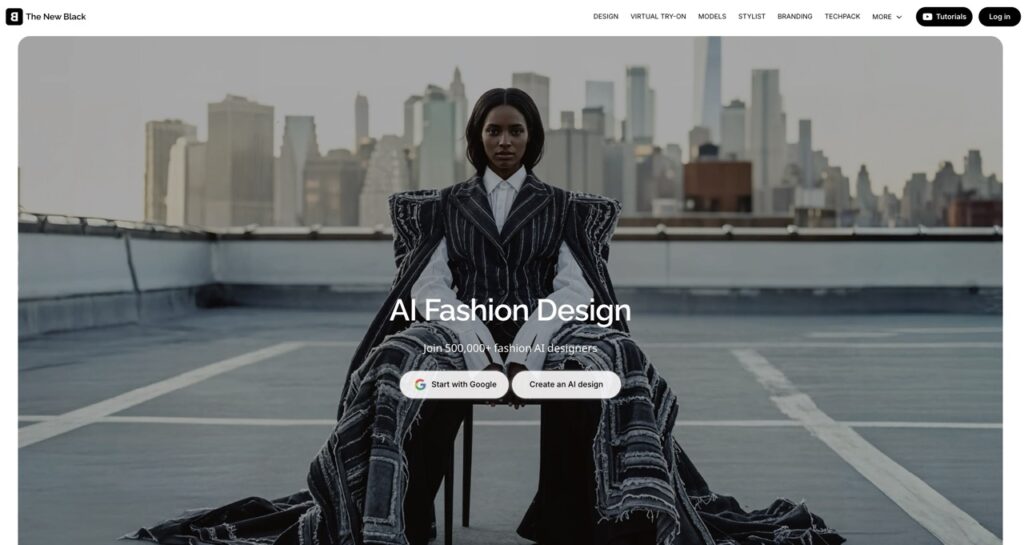
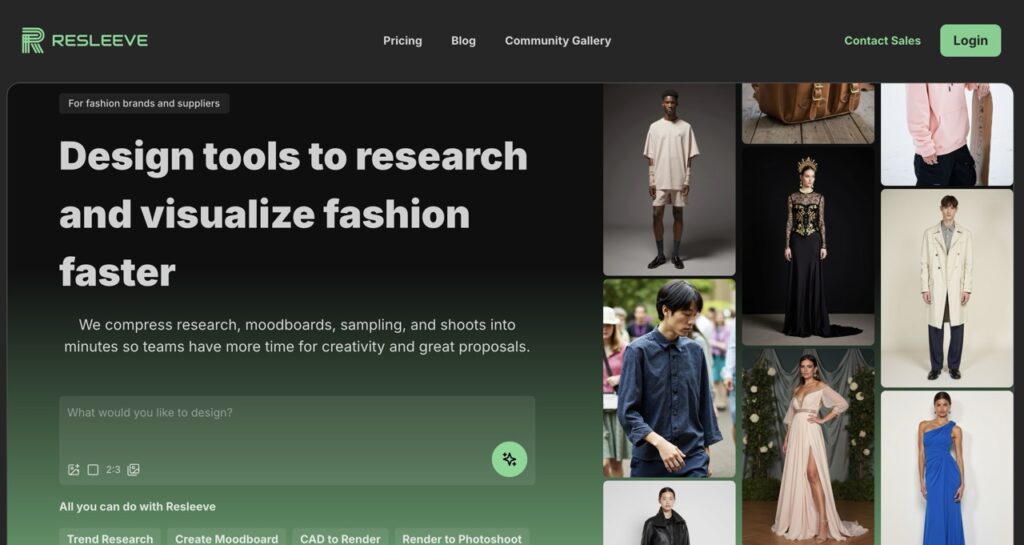
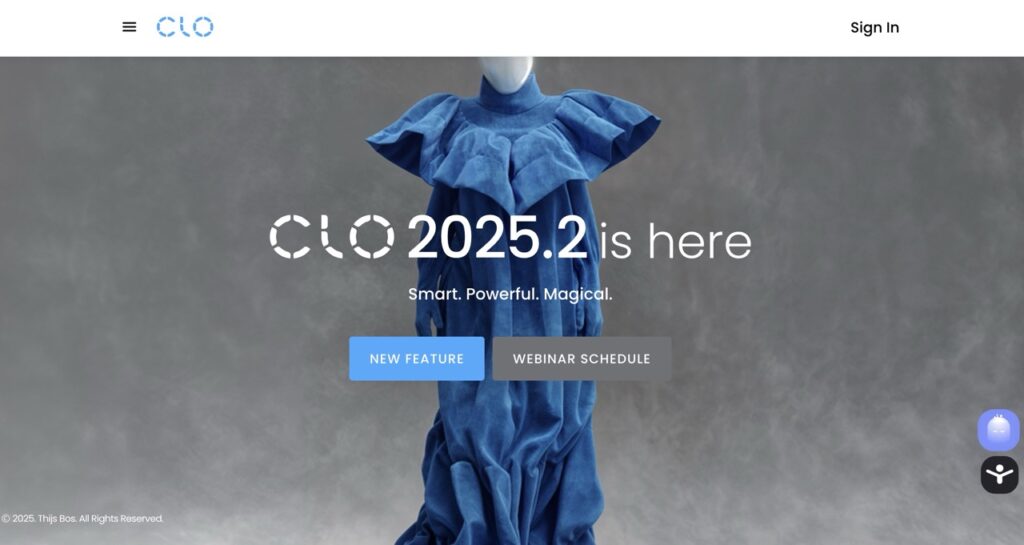
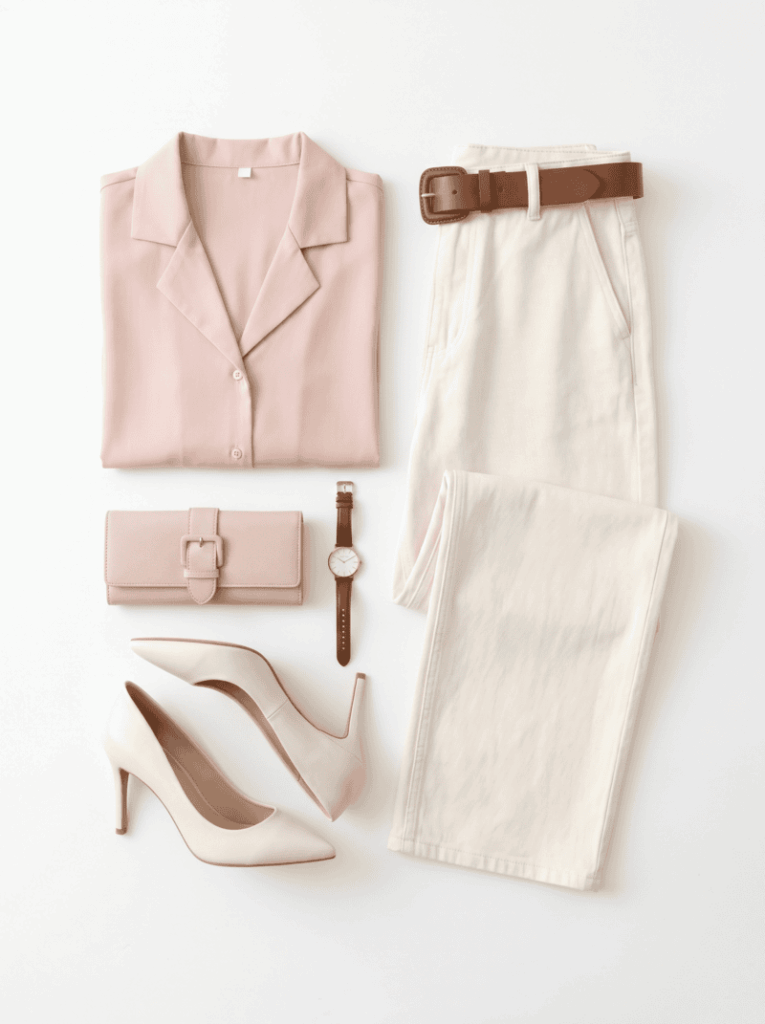
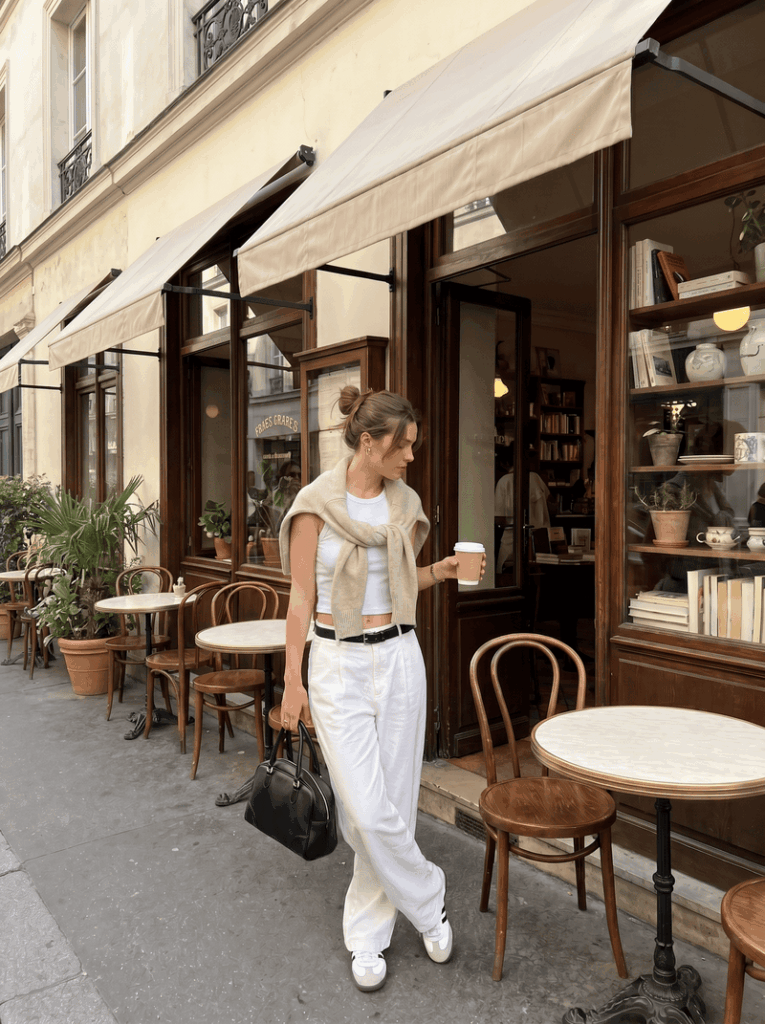
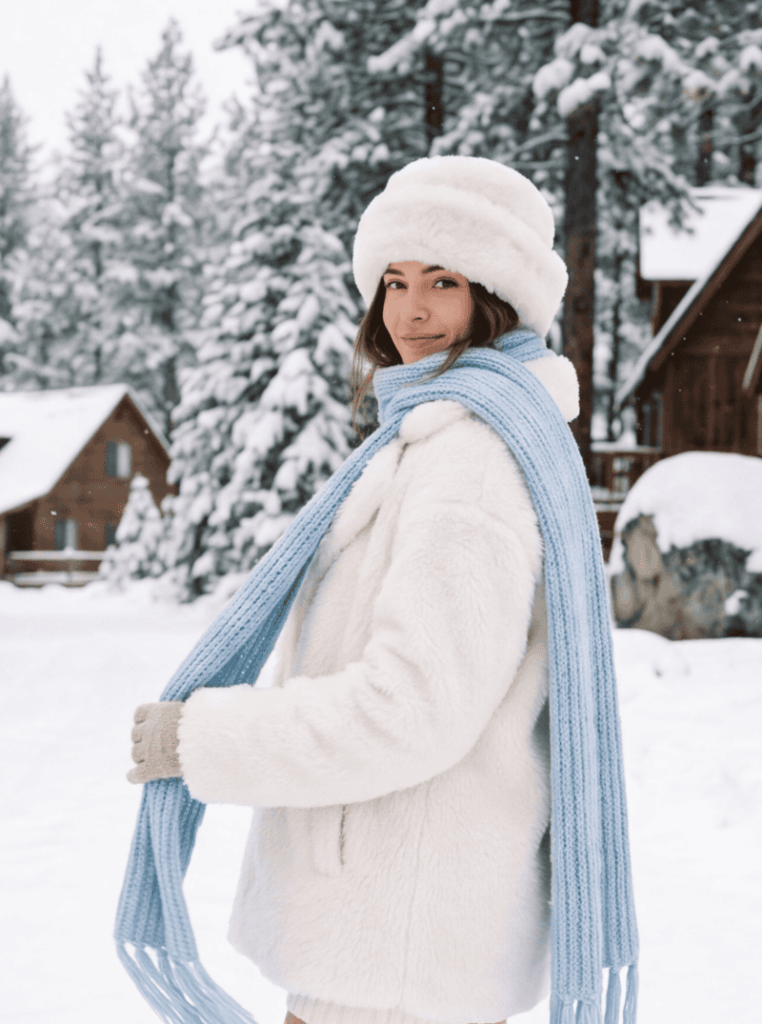
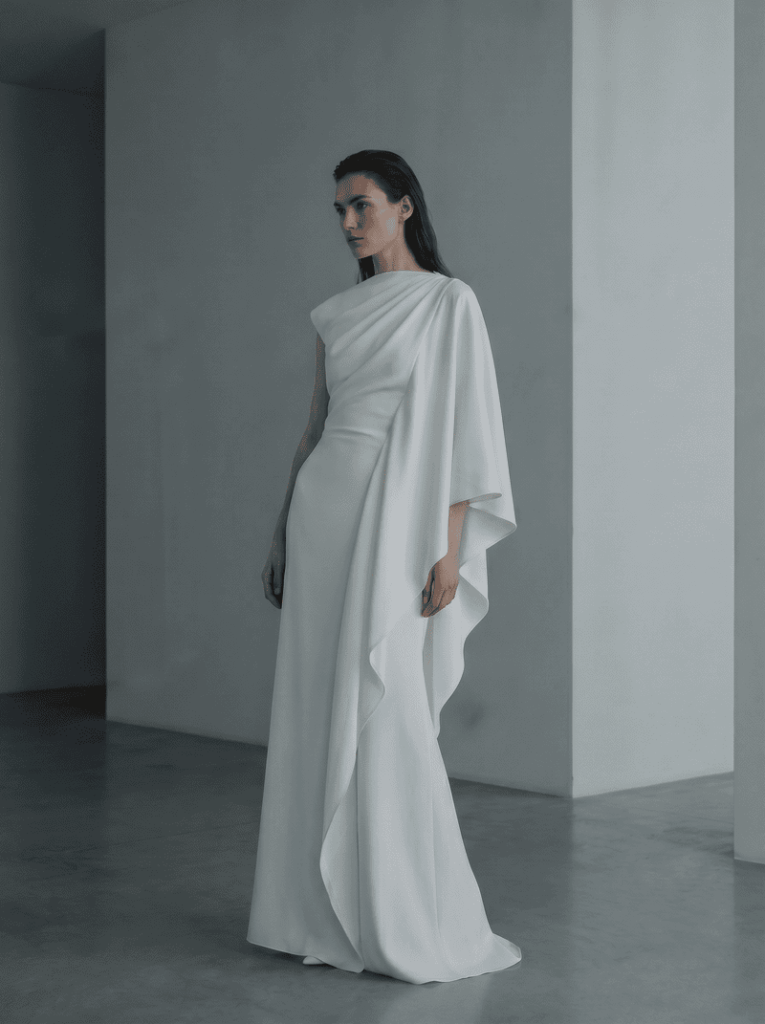
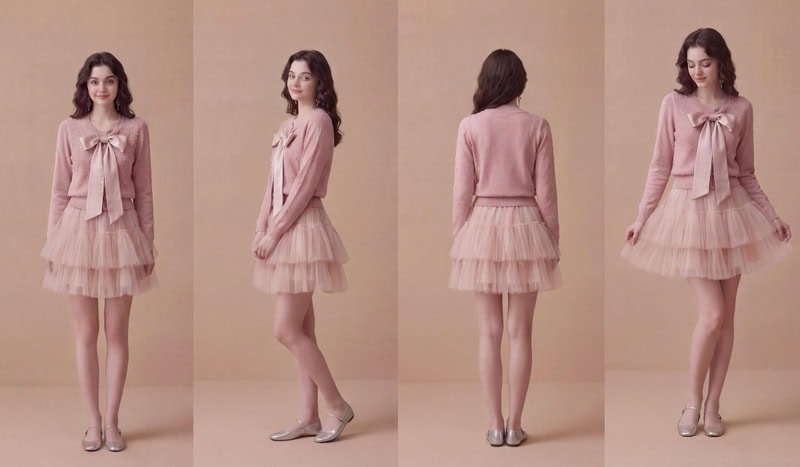
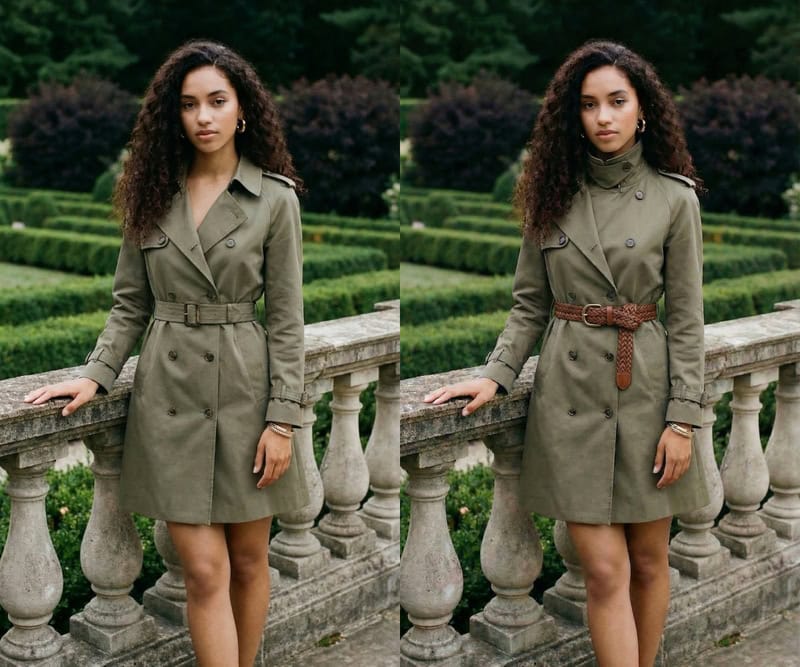
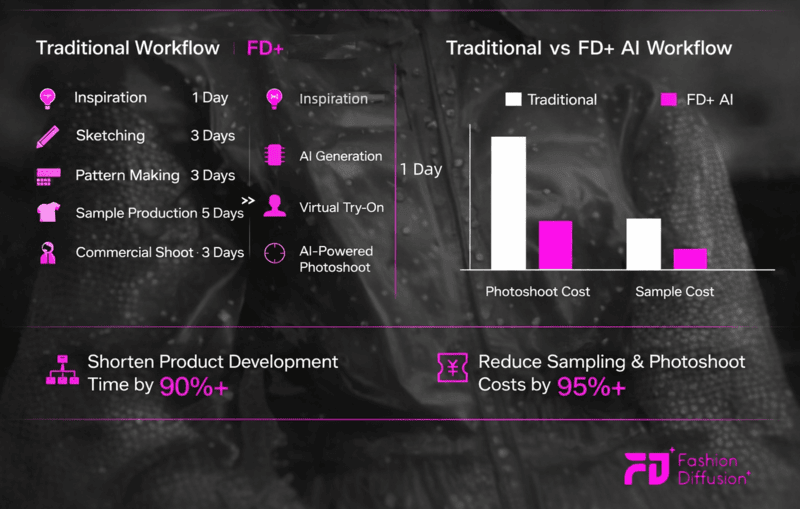
AI is rapidly transforming how fashion is designed, visualized, and sold. Whether you are a designer creating runway concepts, an e-commerce brand testing product images, or simply someone experimenting with daily outfits, the right best AI outfit generator can dramatically speed up your workflow.
Not all tools are built for the same purpose. Some focus on professional design pipelines. Others specialize in virtual try-on. And some are lightweight browser-based tools ideal for beginners looking for the best AI clothing generator.
Instead of just listing tools, this guide categorizes the top 12 platforms by real use cases, so you can quickly find the best AI outfit generator for your needs.
What Is an AI Outfit Generator
An AI outfit generator is a tool that uses artificial intelligence to create clothing designs, outfit combinations, or realistic garment visuals based on text prompts, reference images, or uploaded sketches. These platforms analyze fashion data, fabric patterns, and styling rules to generate outfits that range from casual daily looks to production-ready fashion concepts.
In recent years, AI fashion design has evolved from simple image generation into full creative workflows. Whether used by designers, brands, or everyday users, the best AI outfit generator can significantly reduce design time while expanding creative possibilities.
How We Evaluated the Best AI Outfit Generator
According to industry analysts at McKinsey’s State of Fashion report, from the year of 2026 to 2028, generative AI could add between $150 to $275 billion to the apparel and fashion sector by accelerating design cycles and reducing sampling costs. That shift means AI fashion design tools must now be evaluated not just on aesthetics, but on business impact.
For this guide, we assessed each AI clothing generator using five core criteria.
Generation Quality & Realism
Customization Depth
Commercial Readiness
Workflow Integration
Accessibility & Free Options
By applying these standards consistently across all platforms, we aim to provide a balanced and practical comparison, helping designers, brands, and creators identify the best AI outfit generator for their specific goals.
Comparison Table: 12 Best AI Outfit Generators at a Glance
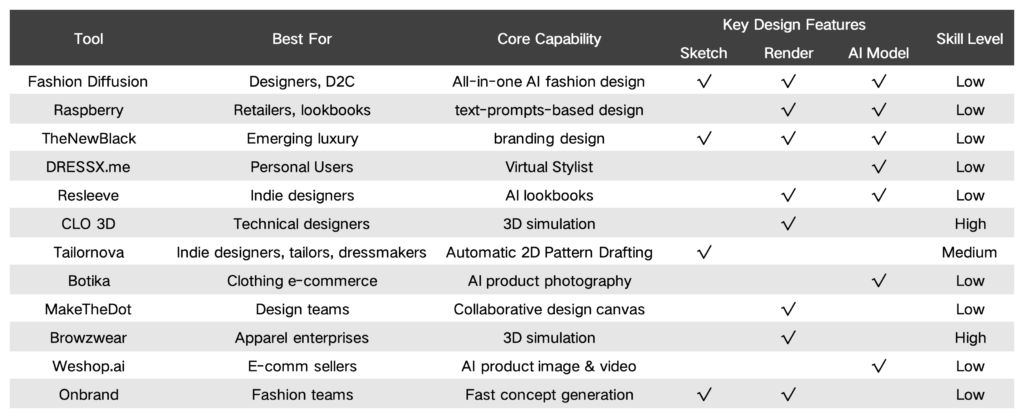
With dozens of AI tools for clothing design entering the market, choosing the best AI clothing generator can quickly become overwhelming. To help you compare features quickly, the table below summarizes the 12 best AI clothing generators based on their primary use case, free availability, and core strengths.
Tool
Best For
Free Plan
Key Strength
Fashion Diffusion
Full AI Fashion Design Workflow
Limited Trial
Text-to-design, fabric simulation, virtual try-on
Style3D AI
3D Garment Production
Demo
3D pattern making & realistic garment rendering
Fashn.ai
Creative AI Look Generation
No
High-end editorial fashion visuals
Krea
AI Creative Image & Video Generation
Limited Free Credits
Multi-format AI visuals
Outfit Anyone
Virtual Try-On
Yes
Realistic clothing overlay on human models
WeShop
E-commerce Virtual Try-On
Yes
AI try-on optimized for product listings
Pronti AI
Personal Styling
Yes
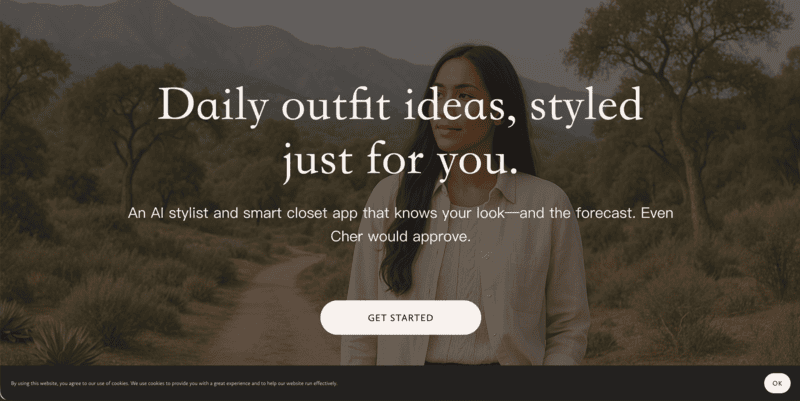
Daily outfit suggestions based on wardrobe
Cladwell
Capsule Wardrobe Planning
Yes
Minimalist outfit automation
Botika
E-commerce Model Generation
No
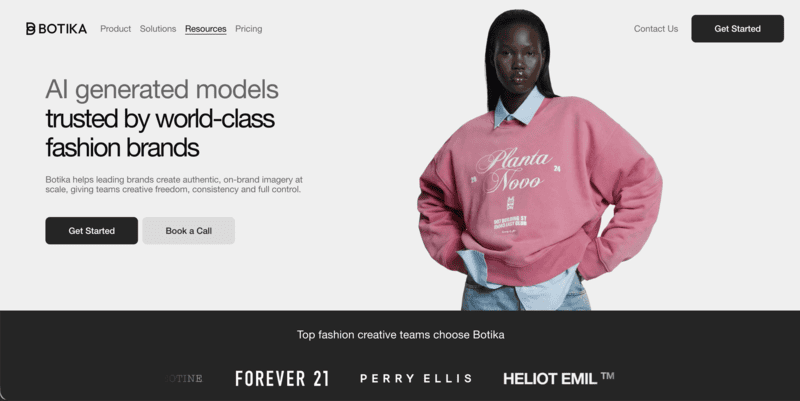
AI fashion models for product photos
insMind
Social Media Outfit Editing
Yes
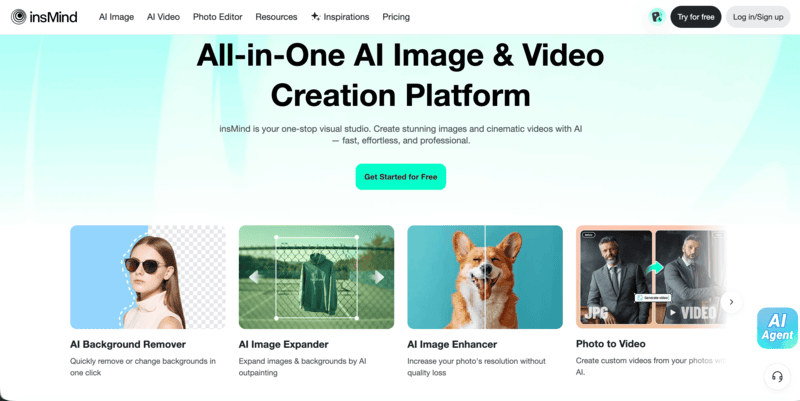
Quick apparel mockups & background edits
MyEdit
Free Online AI Clothing Generator
Yes
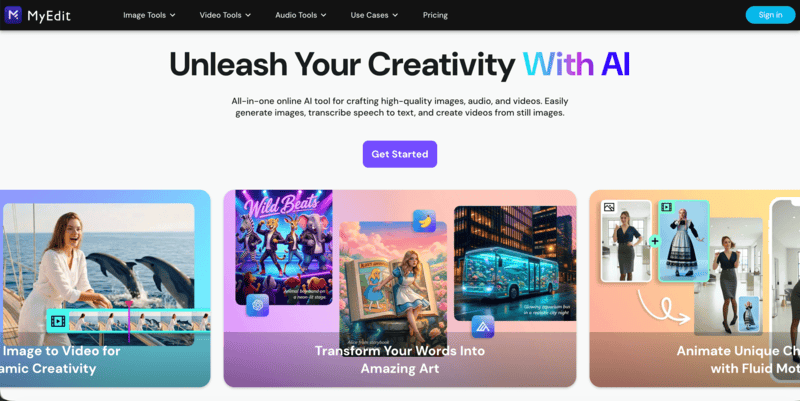
Beginner-friendly outfit generation
createimg
Free Text-to-Outfit Generator
Yes
Simple prompt-based AI clothing visuals
Detailed Breakdown: Which AI Outfit Generator Is Right for You
Choosing the right AI clothing generator depends on what you are trying to achieve. Are you building a fashion brand, experimenting with digital styling, or creating product visuals for online stores?
The sections below will help you quickly identify which AI outfit generator matches your specific workflow and skill level.
Best for Professional & Creative Use
These AI outfit generators are ideal for AI fashion design workflows that go beyond simple image generation.
Fashion Diffusion
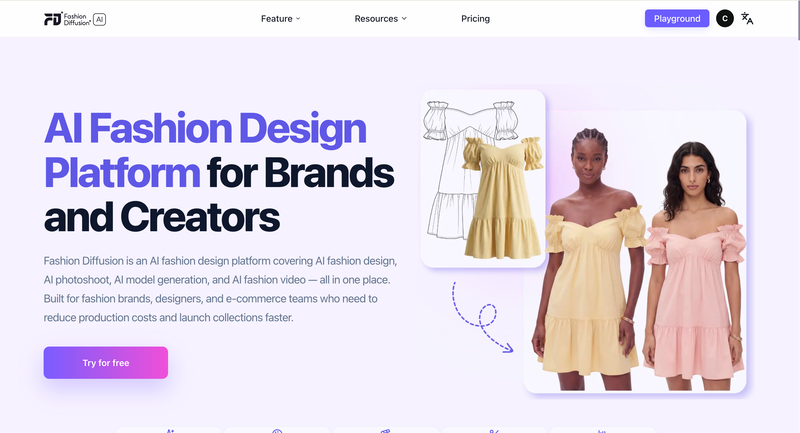
Fashion Diffusion is built specifically for fashion creation workflows. It allows designers to generate garments from text prompts, transform sketches into realistic renders, experiment with color variations, and refine visual outputs.
Rather than acting as a general AI image tool, it supports iterative collection development, helping teams quickly test silhouettes, materials, and styling directions before production.
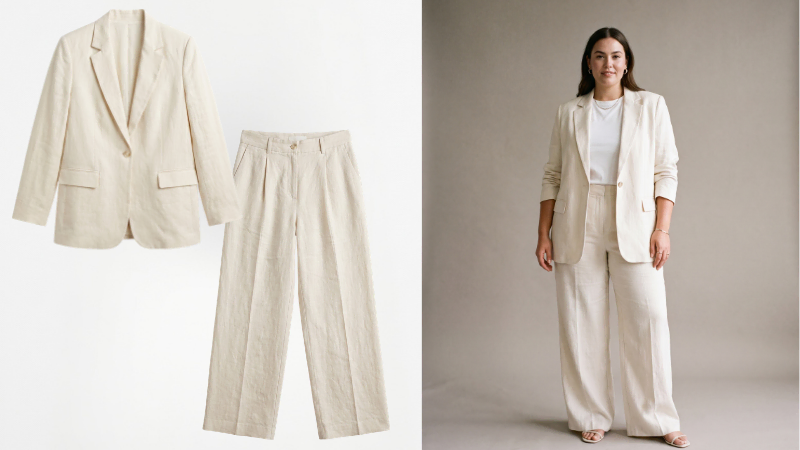
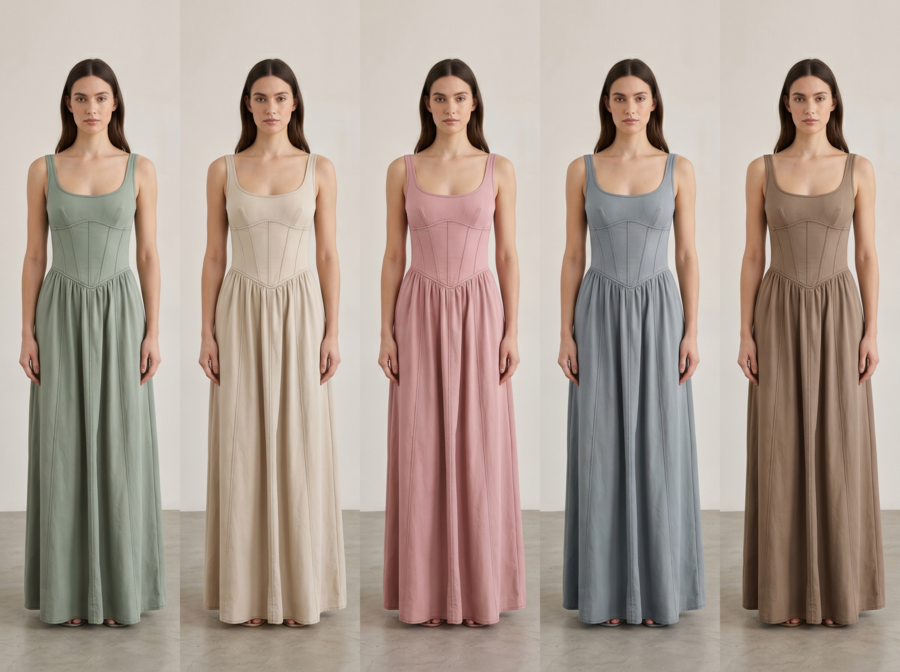
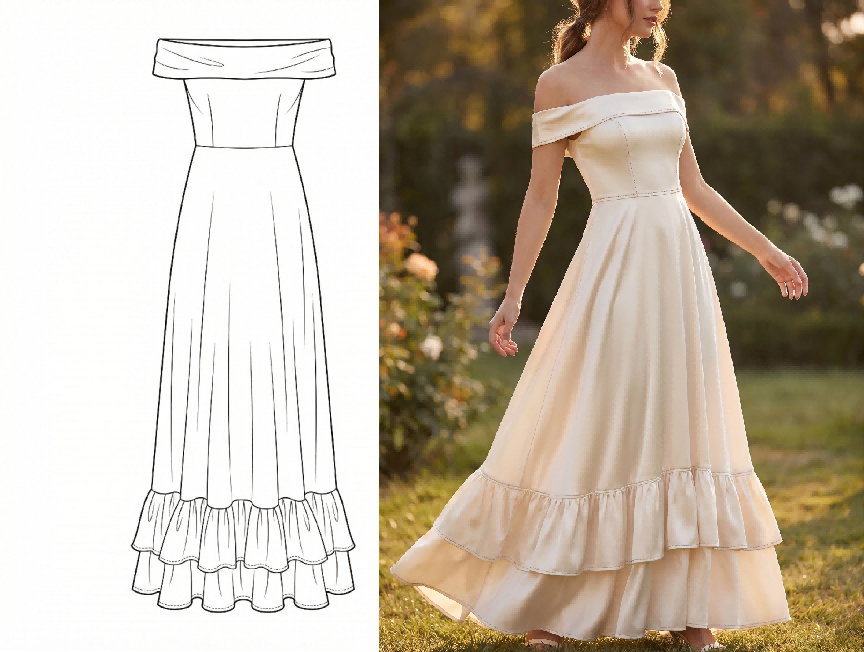
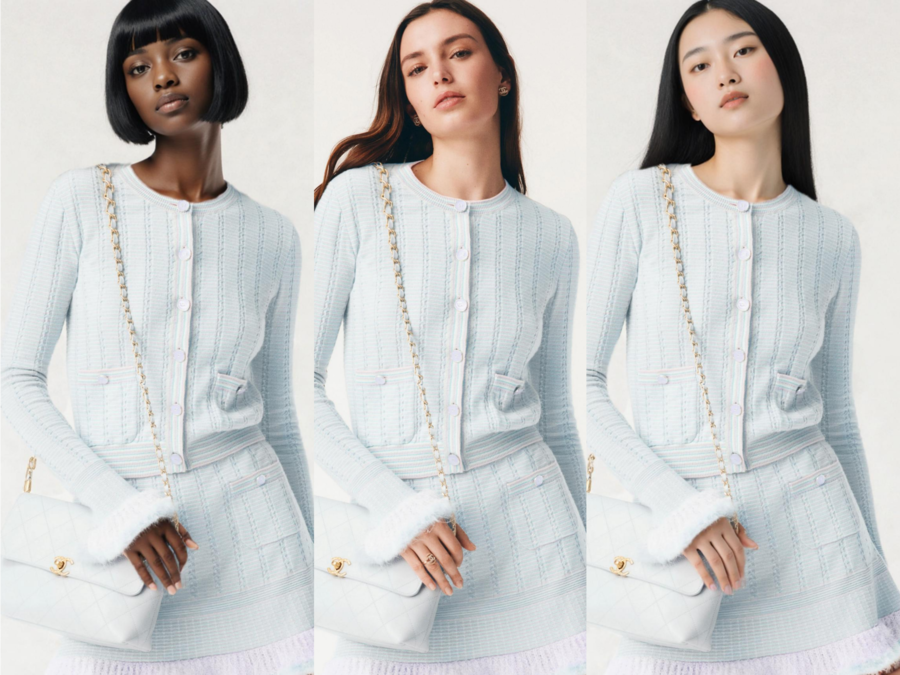
Fashion Diffusion AI-generated
Fashion Diffusion’s core strengths include:
Text-to-outfit generation with high realism;
Advanced customization of silhouette, fabric, and details;
Virtual try-on and design iteration in one workflow;
Suitable for concept development and brand-level production.
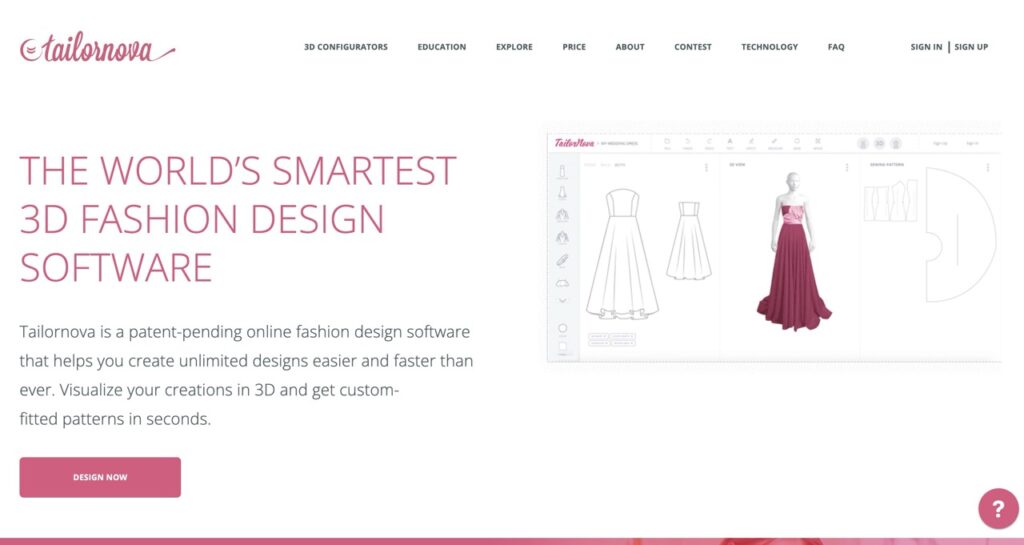
Style3D AI
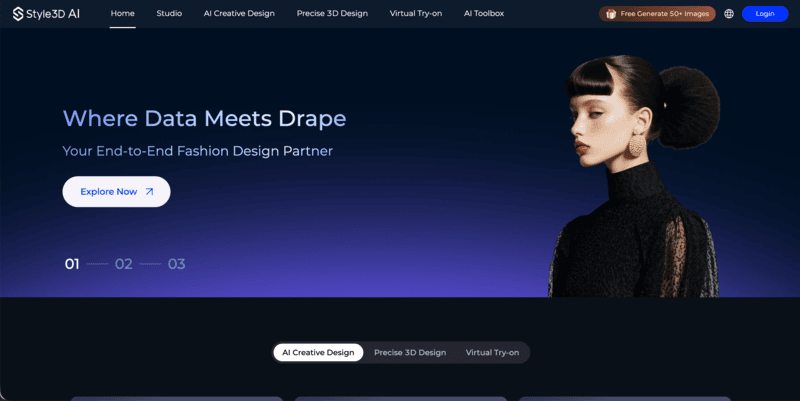
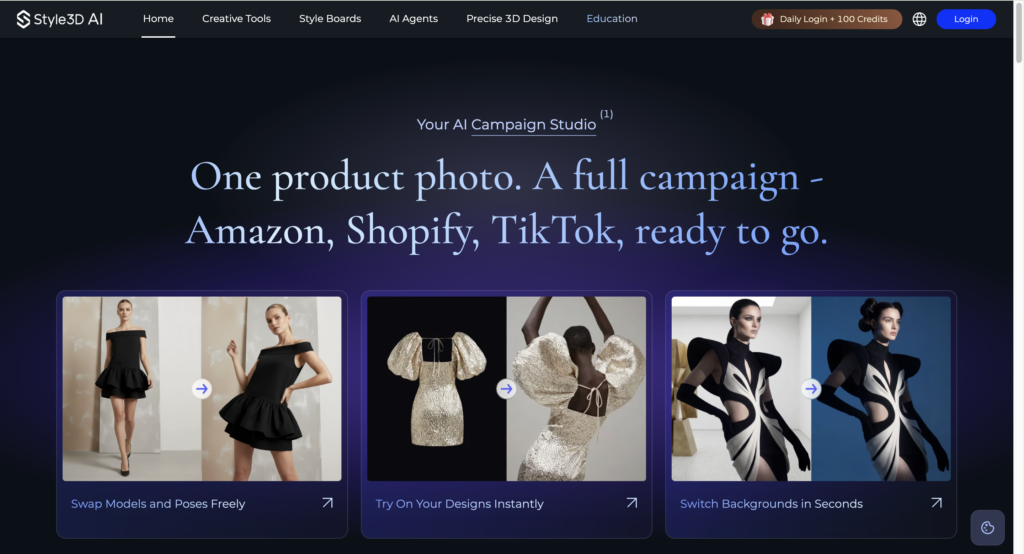
Style3D AI focuses on 3D garment creation and digital sampling. It enables designers to work with patterns, simulate fabrics, and visualize garments in a technically accurate environment.
This makes it particularly valuable for brands that require structural precision and realistic draping simulation during the development phase.
Style 3D’s core strengths include:
3D pattern-based garment construction;
Realistic fabric simulation;
Production-level rendering;
Integration with manufacturing workflows.
Fashn.ai
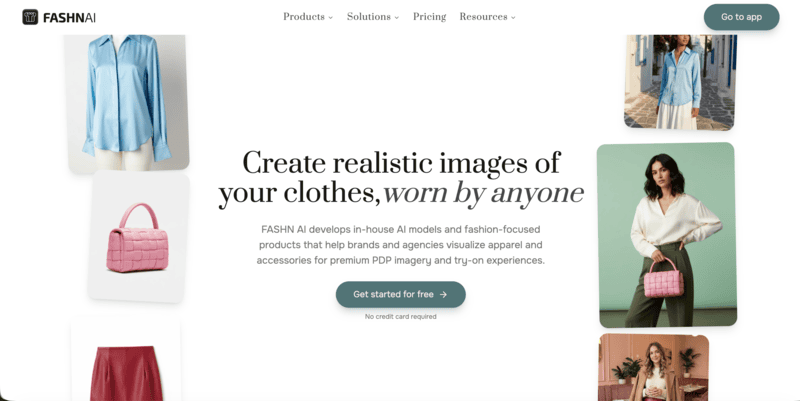
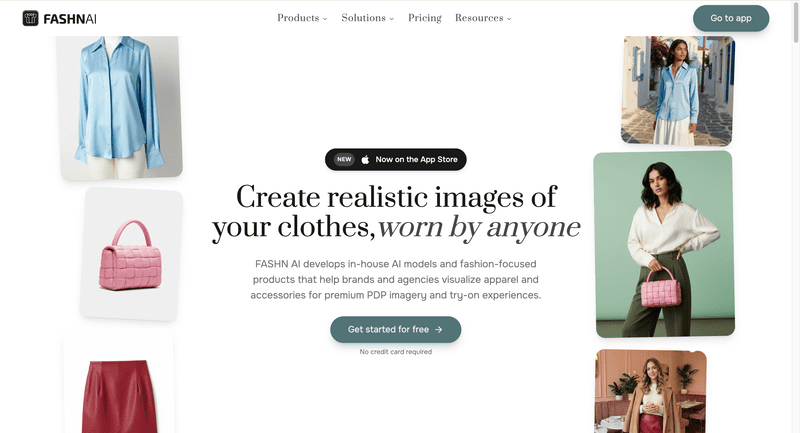
Fashn.ai functions as a scalable AI fashion studio for creative production. Its strength lies in enabling brands to generate consistent, high-quality fashion visuals across collections and campaigns.
It supports controlled styling outputs, ensuring visual coherence across seasonal drops and lookbooks.
Fashn.ai’s core strengths include:
Consistent fashion image generation;
Scalable campaign visual production;
Controlled styling direction;
Brand-level visual consistency.
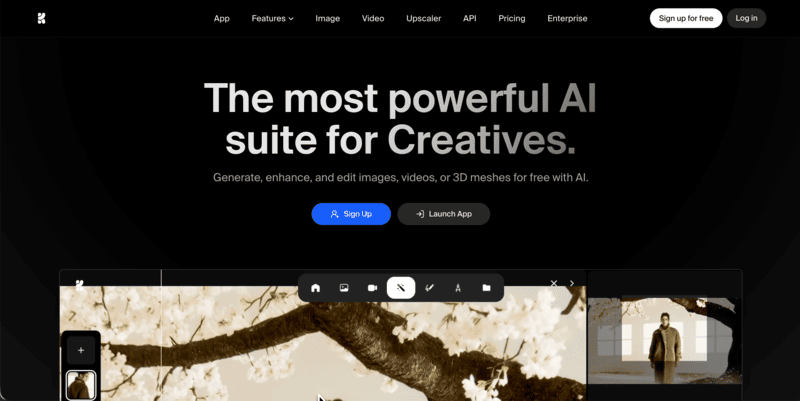
Krea
Krea is a comprehensive AI creative suite designed for professionals and creators. It enables generation and editing of high-quality images, videos, and 3D objects with precise control over style, composition, and resolution.
For designers and creative teams, Krea supports rapid prototyping of visual concepts, asset creation for campaigns, and fine-tuning custom models for brand-specific styles.
Krea’s core strengths include:
Text-to-image, image-to-image, and real-time image generation;
AI video creation, animation, and frame interpolation;
3D object generation and text-to-3D capabilities;
Generative editing for images and videos.
Best for Virtual Try-On
If your goal is to visualize how clothing looks on real people, these tools focus on digital fitting and garment overlay. They prioritize realism, body mapping, and fast outfit simulation.
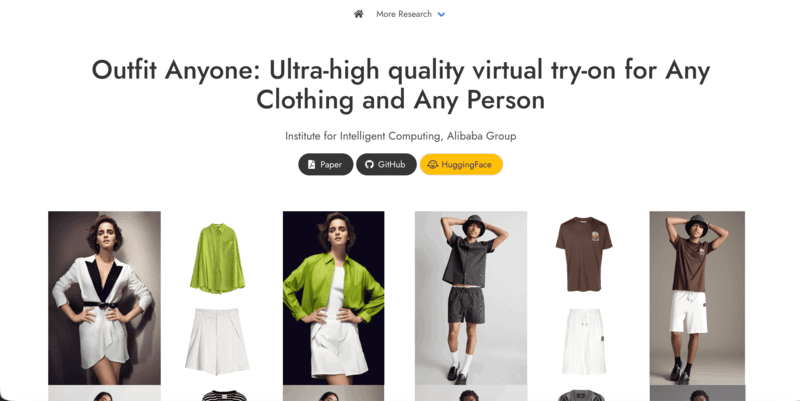
Outfit Anyone
Outfit Anyone is purpose-built for AI-powered virtual try-on. Users can upload clothing images and apply them to different models or personal photos to preview fit and appearance.
It focuses on realism, supporting various poses and body types to improve garment visualization accuracy.
Outfit Anyone’s core strengths include:
Realistic clothing overlay;
Body-type adaptability;
Fast try-on rendering;
Simple image-based workflow.
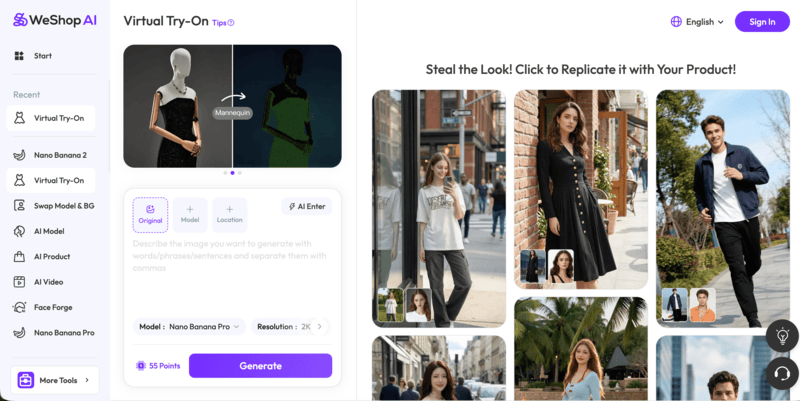
WeShop
WeShop is a browser‑based AI tool designed specifically for realistic clothing visuals. Users can upload garment photos, and the AI will automatically map and fit the clothing onto diverse digital models with believable proportions and fabric behavior.
It goes beyond simple overlays by analyzing body shape, lighting, and texture to create natural‑looking try‑on visuals suitable for product listings, catalogs, and promotional content.
AI Clothes Changer for outfit swaps on the same model and scene;
Outputs optimized for e‑commerce product images and marketing visuals;
Fully online tool with no downloads or technical barriers.
Best for Personal Styling & Daily Looks
These platforms are designed for everyday users who want help planning outfits, organizing their wardrobe, or experimenting with new looks. The emphasis here is on convenience rather than technical garment development.
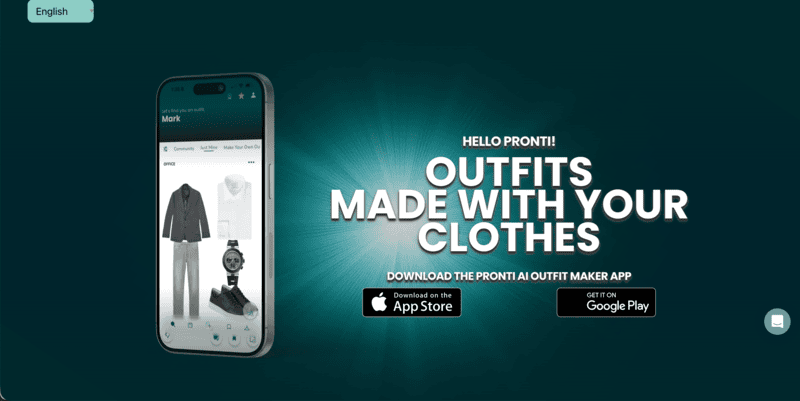
Pronti
Pronti focuses on wardrobe management and daily outfit recommendations. Instead of generating new garments, it helps users maximize what they already own. By analyzing clothing items and occasions, it simplifies daily styling decisions.
Pronti’s core strengths include:
AI wardrobe organization;
Personalized outfit suggestions;
Occasion-based recommendations;
Daily style planning.
Cladwell
Cladwell emphasizes capsule wardrobe planning and sustainable styling. It encourages users to create mix-and-match combinations from essential pieces. The platform is structured around long-term wardrobe efficiency rather than trend-driven experimentation.
Cladwell’s core strengths include:
Capsule wardrobe building;
Minimalist outfit combinations;
Style system organization;
Sustainable fashion focus.
Best for E-commerce & Social Media
For brands and online sellers, speed and visual consistency matter most. These AI clothing generators help create product visuals, model photos, and marketing-ready assets with minimal production cost.
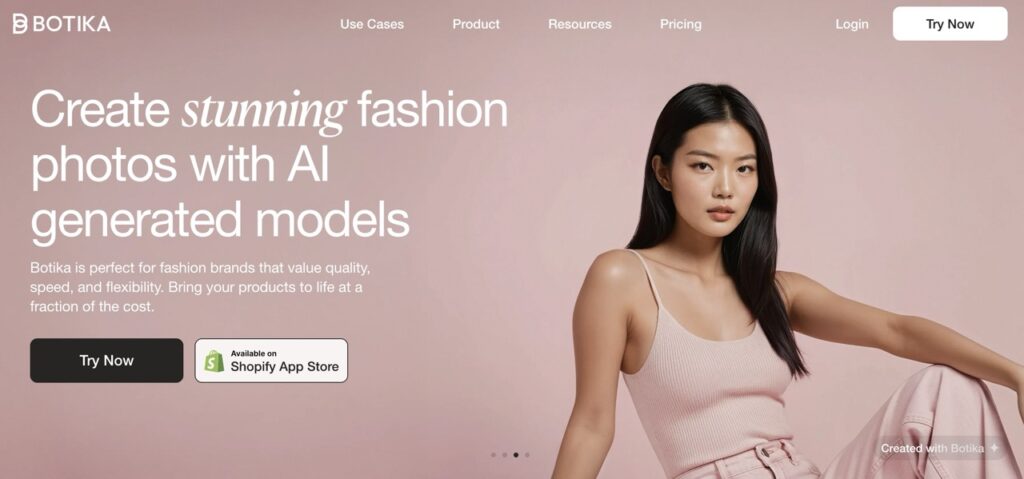
Botika
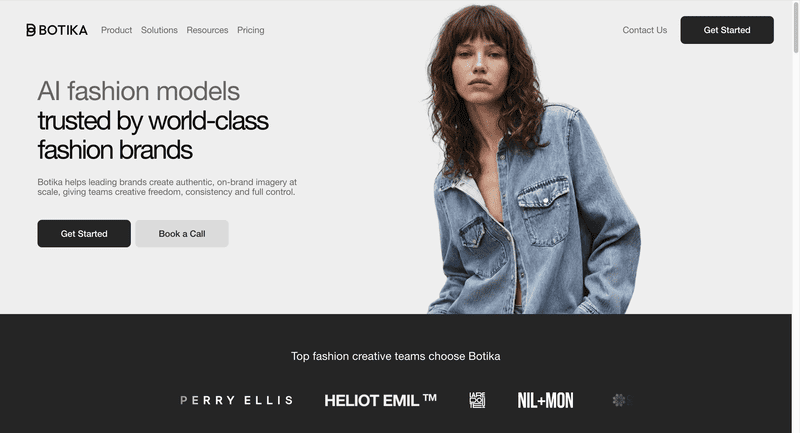
Botika specializes in AI-generated fashion models for product listings. It enables brands to create professional model imagery without traditional photoshoots. The platform improves product presentation while reducing production costs.
Botika’s core strengths include:
AI fashion model creation;
Scalable e-commerce visuals;
Diverse model representation;
Product-listing optimization.
insMind
InsMind provides browser-based AI outfit editing and background replacement tools tailored for quick content creation. Its simplicity makes it especially useful for social media visuals and promotional content.
InsMind’s core strengths include:
Outfit change feature;
Background replacement;
Social-ready image export;
Lightweight online access.
Best Free AI Clothing Generator Online
If you are just starting out or experimenting casually, these free AI outfit generators offer accessible entry points without requiring professional software or complex setup.
MyEdit
MyEdit provides accessible AI outfit generation within a browser-based image editor. It’s designed for quick experimentation rather than professional workflow integration. Users can test prompts and create simple fashion visuals without advanced skills.
MyEdit’s core strengths include:
Free browser access;
Prompt-based generation;
Beginner-friendly interface;
Quick creative testing.
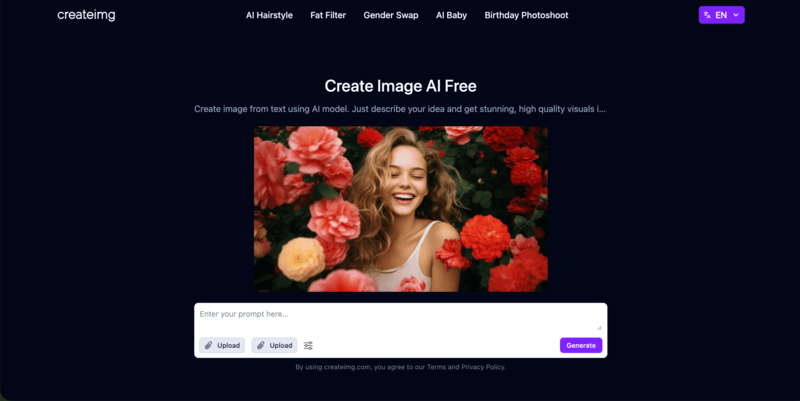
Createimg
Createimg offers a free AI outfit generator that lets anyone generate stylish outfit visuals from simple text prompts. It’s useful for personal fashion exploration, moodboarding, or even inspiration before shopping.
Createimg’s core strengths include:
Free and browser-based. No software installation or account is required;
Text-based generation. AI visualizes it for you in seconds;
Trend & occasion variety. Create looks for any theme.
The Future of AI Outfit Generators: From Inspiration to Creation
AI outfit generators are no longer just experimental tools. They’ve become practical design assistants for creators, fashion brands, content producers, and entrepreneurs. From quick concept exploration to fully styled commercial visuals, these tools significantly reduce the time between idea and execution.
Whether you are developing a collection concept, building a digital lookbook, or simply exploring new outfit ideas, the ability to generate and refine designs in minutes changes the creative process entirely.
If you are ready to experiment with new silhouettes, fabrics, and styling directions, Fashion Diffusion offers a practical way to turn imagination into runway-ready visuals.
Start with a prompt, and see where your next outfit idea takes you.
FAQ
What is the best AI outfit generator?
The best AI outfit generator depends on your goal. For professional AI fashion design workflows, tools like Fashion Diffusion offer advanced customization and realistic rendering. For virtual try-on, platforms like Outfit Anyone or WeShop focus on garment visualization.
Are there any free AI clothing generators available?
Yes. Several platforms offer free plans or browser-based access. MyEdit and Createimg provide simple prompt-based outfit generation without requiring professional software. However, advanced features such as high-resolution rendering or commercial workflows may require paid plans.
How does an AI outfit generator work?
An AI outfit generator uses machine learning models trained on fashion datasets to interpret text prompts or images. By analyzing garment structure, fabric simulation, and styling rules, the system generates realistic outfit visuals that can range from casual looks to runway-ready designs.
Can AI clothing generators be used for commercial fashion brands?
Yes. Many AI clothing generators now support commercial workflows, including product visualization, digital sampling, and marketing imagery. Tools designed for professional use allow brands to reduce sampling costs, accelerate design cycles, and test visual concepts before production.
How can I write a better AI outfit generator prompt?
To improve results, structure your prompt clearly by specifying garment type, silhouette, fabric, color palette, lighting, and photography style. Detailed prompts produce more consistent and professional outputs compared to vague descriptions.
For plus size shoppers, AI virtual try on is solving one of online shopping’s oldest frustrations: you can’t tell how a garment will actually look on your body until it arrives. Size charts don’t tell you how a fabric drapes across your shoulders, and the model in the photo doesn’t share your proportions. Return rates for ill-fitting plus size purchases run between 30 and 40 percent — and this is what changes that.
This guide walks you through how the technology works, how to get accurate results on your body, and how to use it across the situations where plus size fit matters most.
Why Standard Virtual Try On Often Fails Plus Size Shoppers
Most tools approach virtual try-on the same way: take the garment image, scale it up, and layer it over your photo. For straight sizes, the distortion is manageable. For plus size bodies, it falls apart fast.
The overlay problem
Basic virtual try-on tools don’t recalculate fit — they reposition. The garment image gets stretched or scaled to roughly match your frame, but the fabric physics don’t change. A wrap dress that drapes softly on a size 8 model gets mechanically enlarged onto a size 20 body without any recalculation of how the fabric would actually behave. The result looks pasted-on because it is.
Proportions aren’t linear
Standard sizing assumes that going up in size means scaling up uniformly. Real plus size bodies don’t work that way — the relationship between bust, waist, hip, and shoulder width shifts as size increases, and no two size 18s carry their measurements the same way. Tools that work from a size template rather than reading your actual body miss this entirely.
What accurate tools do differently
Body contour recognition changes the output quality. Instead of overlaying, the AI maps your specific silhouette from your photo — shoulder width, waist curve, hip volume — and regenerates how the garment would sit against those measurements. Fabric drape, stretch, and proportion are calculated from your shape outward. Fashion Diffusion’s AI virtual try on uses this approach, which is why results at size 16 and above look substantially different from what basic overlay tools produce.
How to Use AI Virtual Try On for Plus Size Fashion: Step by Step
The process takes under two minutes once you have the right inputs. Here’s what to do.
Step 1: Prepare your photo for AI virtual try on
Upload a clear, full-body photo of yourself. You don’t need a professional shot — a photo taken against a plain wall in natural light works well. A few things that improve accuracy:
Stand straight and face forward. Side angles or poses with crossed arms make it harder for the AI to read your body contours correctly.
Wear fitted clothing. Baggy layers obscure your silhouette and reduce accuracy. A simple T-shirt and jeans give the AI a clean read on your shape.
Use a plain background. Busy backgrounds can interfere with edge detection. A white wall or neutral backdrop is ideal. If your photo background isn’t clean, you can use Fashion Diffusion’s background remover to fix it before uploading.
Include your full body in the frame. Cut-off feet or heads reduce the quality of the proportion mapping.
Step 2: Upload the garment you want to try
You can use an image from anywhere: a product page, a brand website, an Instagram post. The best garment photos for accurate results are:
Flat-lay or hanger shots, where the full garment is visible
On-model photos from the front, showing how the item is meant to be styled
High resolution images, where fabric texture and cut details are clearly visible
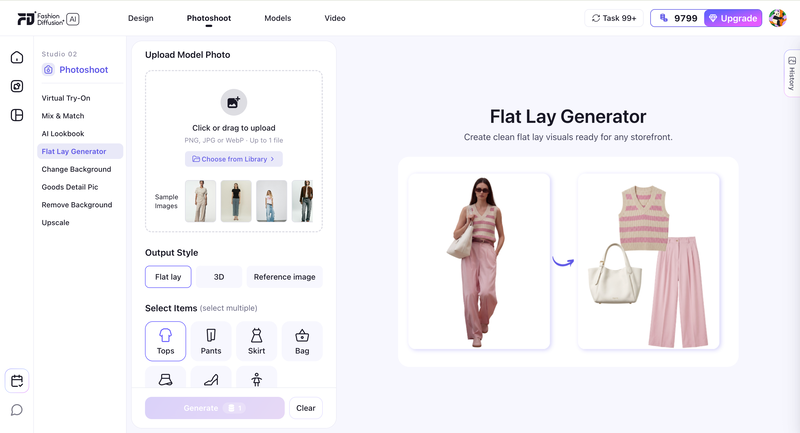
Avoid cropped images, heavily stylized editorial shots, or photos where most of the garment is obscured. Don’t have a clean product image? Fashion Diffusion’s flat lay generator turns any garment photo into a studio-ready flat lay instantly.
Step 3: Generate your virtual try on preview
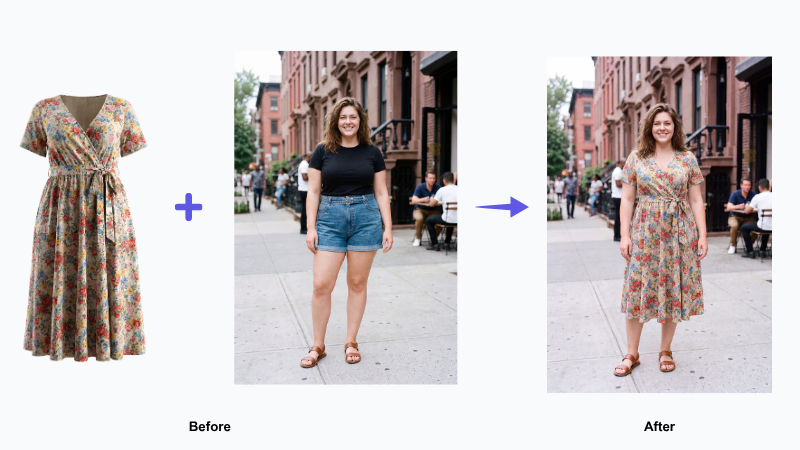
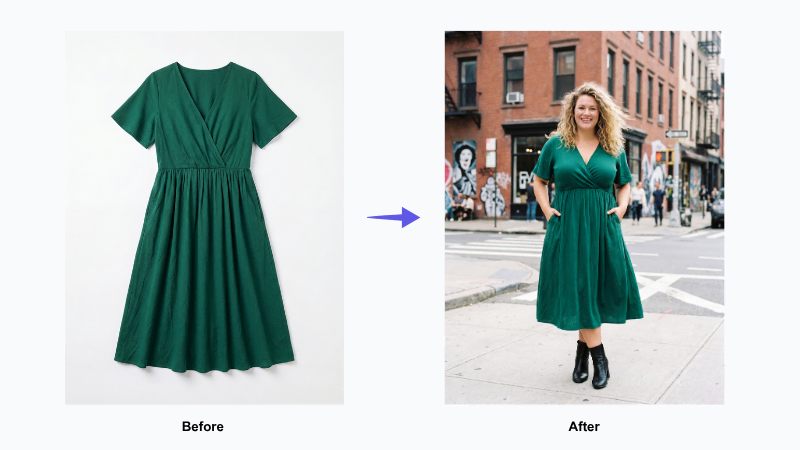
Once both images are uploaded, Fashion Diffusion’s AI processes your photo and renders the garment onto your body — think of it as your own plus size virtual fitting room, available any time without a queue. Fashion Diffusion typically generates results within seconds. The output shows the garment fitted to your specific proportions — not scaled up from a smaller template.
Step 4: Evaluate the fit before you buy
Look at the preview critically. Check how the neckline sits, where the waist hits, whether the hem falls where you’d expect. If something looks off, try a different garment photo or adjust your input image. One accurate preview is more useful than five rushed ones.
When you’re confident in the fit, you have the visual evidence to shop with intention rather than optimism.
3 Ways Plus Size Shoppers Use AI Virtual Try On
Beyond the basic buy-before-you-try use case, there are a few specific ways plus size shoppers are getting the most out of this technology.
See how a garment’s cut and proportion actually land on your body
Where the waist sits, how the neckline falls, whether the hem hits at the knee or above it — these details don’t show up in a size chart, but they’re exactly what determines whether a piece looks intentional on your body or just present. Upload the product image and see how the cut and length land on your specific frame before you commit. If you’re a brand looking to show products on plus size bodies at scale, Fashion Diffusion’s AI model generator handles that without a photoshoot.
Style for a specific occasion before you commit
Event dressing is high stakes, and return windows often expire before the occasion arrives. Using the virtual try-on tool lets you run through multiple options in one sitting — compare a wrap dress against a midi skirt against a jumpsuit — and arrive with confidence rather than a backup option still in your car.
Experiment with trends your instinct would have skipped
Plus size shoppers learn early which silhouettes “work” and stick to them, passing on things they can’t visualize on themselves. Try the barrel-leg trousers, the asymmetric hem, the sheer overlay — see it on your body before deciding whether to dismiss it. The styles you’ve been skipping for years might be exactly the ones that work. You just haven’t seen them on your body yet.
AI Virtual Try On Is Changing How Plus Size Shoppers Buy Online
Plus size fashion has always deserved better than the guessing game online shopping turned it into. The wrong size chart, the model who doesn’t share your proportions, the dress that looked nothing like the photo — these aren’t small frustrations, they’re the reason so many purchases end up returned or sitting unworn in a wardrobe.
AI virtual try-on doesn’t fix the fashion industry, but it shifts the balance back in your favor. With Fashion Diffusion, you see the cut, the proportion, the length — on your body, before you spend anything. That’s a meaningfully different way to shop.
Try Fashion Diffusion‘s plus size virtual try on and see what actually works on you!
FAQs
Does AI virtual try-on actually work for plus size bodies?
Yes — but the quality depends heavily on how the tool is built. Basic overlay tools that paste a garment image onto your photo without recalculating fit are not accurate for any body type, and the inaccuracy is more visible at larger sizes where proportional differences are more pronounced. Tools built on body contour recognition — where the AI reads your specific silhouette and re-renders the garment against your measurements — produce results that are genuinely useful for plus size shoppers. Fashion Diffusion’s virtual try-on uses this approach.
Is AI virtual try-on free for plus size users?
Yes, Fashion Diffusion offers free access to the virtual try-on tool. You can upload your photo and try on garments without creating an account. Higher-volume usage and additional features are available on paid plans, but the core try-on functionality is accessible without payment.
What kind of photo gives the best results?
A clear, full-body photo taken from the front, in natural light, against a plain background, wearing fitted clothing. The AI uses your silhouette to calculate how the garment will sit on your body — the cleaner it can read your outline, the more accurate the result. Photos that are blurry, heavily filtered, taken at an angle, or show you in bulky layers will produce less accurate previews.
Can I try on clothes from any online store?
Yes. You can upload a garment image from any source — a product page, a brand website, a saved screenshot. The tool isn’t limited to a specific retailer catalog. As long as the garment image is clear and shows the full item, the AI can use it.
Does it work for all plus sizes, including 3X and above?
Yes. The tool reads your body from the photo you upload, rather than working from a preset size range. This means it adapts to whatever proportions are in your image, including larger sizes that many standard try-on tools handle poorly. The accuracy depends on the quality of your input photo, not on where your size falls on a chart.
Can fashion brands use this for plus size model content?
Yes. Fashion Diffusion’s virtual try-on is also used by fashion brands and e-commerce sellers who need to show their products on diverse body types without running separate photoshoots for every size. You can generate on-model imagery across a range of sizes from a single flat-lay product photo. This is particularly useful for brands that want to show their plus size range on representative bodies without the cost of extended-size model sessions.
Virtual try-on works. AI photography scales. But ask any head of fashion ecommerce in 2026: the hardest part isn’t generating the first image — it’s generating consistently across your entire catalog, without losing quality or breaking the bank.
Tools like WearView have helped brands solve this initial challenge of creating high-quality AI fashion imagery. But as teams grow, their needs evolve — broader creative tools beyond photography, better API integration, multi-category support for footwear and accessories, or more flexible pricing.
This guide compares the best WearView alternatives in 2026, covering features, pricing, pros and cons, and use cases — all to help you find the right fit.
What Is WearView?
WearView is an AI fashion photography platform designed for e-commerce brands to generate on-model product imagery from flat-lays, ghost mannequin shots, and packshots. Its core capability is converting garment images into on-model visuals with AI-generated models, enabling brands to create scalable fashion photography content without traditional photoshoots.
However, WearView is less suited for end-to-end product editing workflows such as catalog-ready product images, standardized white-background listing images, and high-volume SKU image variants commonly required in fashion e-commerce operations.
Why Users Are Exploring WearView Alternatives
WearView covers a solid range of AI fashion photography tools, but several recurring reasons lead brands to explore alternatives:
No design tools. WearView focuses entirely on photography output — it does not offer sketch-to-render, recolor, fabric application, or outfit generation. Brands that need both design ideation and photography generation must use separate platforms.
No ghost mannequin tool on the entry plan. Ghost mannequin functionality is only available from the Pro plan ($49/month) upward, which can be a barrier for smaller brands.
Credit limits can feel tight for large catalogs. At HD resolution, the Lite plan yields roughly 25 images per month on 50 credits. High-volume sellers processing hundreds of SKUs may find the credit model restrictive.
Limited batch processing at scale. WearView does not emphasize enterprise batch workflows or API-first integration, which matters for teams building automated pipelines.
The pricing tiers are quite steep. The jump from $29 (Lite) to $49 (Pro) is significant, especially for features like video and ghost mannequin, which some brands may need from day one.
Best WearView Alternatives: A Brief Overview
Fashion Diffusion — Best Overall for AI Fashion Photography Combines AI fashion design, AI photography, and video generation in a single workflow. Built for fashion brands and designers. Starting at $12/month.
FASHN AI — Best for Virtual Try-On Quality and API Integration Delivers some of the most accurate virtual try-on results on the market, with strong fabric-detail preservation and a developer-friendly API for custom integrations.
Botika — Best for High-Volume E-Commerce Model Photography Converts flat-lay and mannequin photos into professional model imagery at scale, backed by a unique human retouching service for additional quality assurance.
Style3D.ai — Best for Multi-Category Try-On and Ecommerce Content Supports virtual try-on across apparel, shoes, bags, and accessories, making it a versatile choice for marketplace sellers and multi-category ecommerce brands.
Modelia — Best for Consistent Model Identity and Catalog Production Features Consistent Character technology that maintains the same AI model across large product catalogs, helping brands create cohesive storefront imagery.
Quick overview:
Tool
Key Strength
Starting Price
Best For
Fashion Diffusion
Broadest feature set: photography + full design suite
$12/month
Brands needing design + photography in one platform
FASHN AI
Best-in-class virtual try-on accuracy + developer API
$19/month
E-commerce teams & developers needing API integration
Botika
High-quality on-model imagery with built-in retouching
$33/month (annual)
Mid-to-large brands with high SKU volume
Style3D.ai
Multi-category try-on + ecommerce visual content suite
The table below compares feature availability across WearView and its five alternatives. “Yes” indicates the feature is available. “Limited” indicates partial functionality. “No” indicates the feature is not available.
Feature
WearView
Fashion Diffusion
FASHN AI
Botika
Style3D.ai
Modelia
Virtual Try-On
Yes
Yes
Yes (flagship)
No
Yes
Yes
AI Model Creation
Yes
Yes
Yes
No
No
Yes
Product-to-Model
Yes
Yes
Yes
Yes
Yes
Yes
Flatlay-to-Model
Yes
Yes
Yes
Yes
Yes
Yes
Ghost Mannequin to Model
Yes
Yes
Yes
Yes
No
Yes
Consistent Models
Yes
Yes
Yes (Face Ref.)
Yes
No
Yes (Character)
Ghost Mannequin Effect
Yes (Pro+)
Yes
No
No
No
No
AI Model Swap
Yes
Yes
Yes
No
Yes
Yes
Pose Control
Yes
Yes
Limited
No
Yes
Yes (Repose)
AI Video Generation
Yes (720p/1080p)
Yes (1080p, all plans)
Yes (720p–1080p)
Yes (Pro+)
Yes
Yes
Background Removal
No
Yes
Yes
No
Yes
Yes
Image Upscaling
No
Yes (4K)
Yes (4K)
Yes (4K, Advanced)
Yes (8K)
Yes (4K)
Batch Processing
No
Limited
Yes
Yes
No
Yes (Basic+)
Output Resolution
HD / 2K / 4K
Up to 4K
Up to 4K
HD / 2K / 4K
Up to 8K
Up to 4K
Design Tools
No
Yes (full suite)
No
No
Yes
Limited
Team Collaboration
Yes (Pro: 5, Adv: 15)
No
Yes (all plans)
Yes (Advanced+)
No
Yes (Pro: unlimited)
API Access
No (enterprise)
No
Yes (separate)
No (enterprise)
No
Yes (Basic+)
Starting Price
$29/month
$12/month
$19/month
$33/month (annual)
$8.9/month
Free / $35/month
WearView Alternative Reviews
1. Fashion Diffusion — Best Overall for AI Fashion Photography
Fashion Diffusion is an AI-powered fashion design and photography platform built for fashion brands, designers, and creative teams. Unlike WearView, which focuses primarily on photography, Fashion Diffusion spans the broader creative workflow, from design ideation and sketch rendering to on-model photography and AI video. It is one of the few alternatives on this list that combines a design suite with an AI photography workflow in a single subscription.
Key Features
Photography: Virtual try-on, on-model, flat lay, and background variations
Design Tools: outfit generation, sketch-to-render, restyle, recolor, and pattern design
Video: AI Fashion Video (1080p) included on all plans
Best Use Cases
Fashion brands and D2C labels that need design prototyping and commercial photography from a single platform.
Designers who want to turn sketches into rendered fashion visuals and generate on-model photography without switching tools.
Teams creating editorial and campaign content who need creative flexibility — recolor, fabric application, style exploration — alongside catalog photography.
Agencies managing multiple fashion clients who need a wide toolset on a single subscription.
Pricing
Starter: $12/month — 50 credits, all AI tools, 4K upscaling, AI video at 1080p.
Creator: $29/month — 160 credits, all tools, 4K generation.
Pro: $59/month — 380 credits, all tools.
Studio: $199/month — 1,400 credits. Annual billing saves 2 months on all plans.
Pros
Fashion-specific AI trained on fashion imagery — not generic image generation.
A broad feature set combining both AI photography and design tools within a single platform.
AI video (1080p) included on all plans, including the $12 Starter.
4K image generation and upscaling on all plans.
Provides a low-cost entry point at $12/month with a relatively broad set of tools.
Cons
No dedicated managed retouching service (human-reviewed image fixes).
Team collaboration not prominently featured in public plan details.
2. FASHN AI — Best for Virtual Try-On Quality and API Integration
FASHN AI is an AI-first fashion platform built on best-in-class virtual try-on accuracy. Its Try-On Studio generates realistic on-model images that preserve fabric drape, garment prints, and fine textile details at up to 4K resolution. Beyond try-on, FASHN AI covers product-to-model, model creation, model swap, background removal, and AI video generation.
Among AI fashion tools, it stands out for its developer-focused infrastructure, including a full REST API and SDKs for TypeScript and Python. This allows fashion brands to embed virtual try-on and on-model photography into their existing workflows and storefronts. For a full comparison, see what we covered earlier about Fashn AI alternatives.
Key Features
Virtual Try-On: Available for flat-lay, ghost mannequin, and on-model garment inputs.
Product-to-Model: Transform flat product photos into realistic on-model shots with customizable model appearance, pose, and background.
Model Creation & Consistent Identity: Generate diverse AI fashion models from prompts or reference images; Face Reference feature maintains consistent model identity across outputs.
Model Swap: Swap models in existing photos while preserving garments, poses, and backgrounds.
AI Video: Generate short fashion videos from static images at 720p (Basic) or 1080p (Pro+).
API: Comprehensive REST API with documentation, SDKs, and usage dashboard for developer integration.
iOS App: All tools accessible through a mobile chat-based interface.
Best Use Cases
E-commerce brands that need the highest-quality virtual try-on for shopper-facing product pages.
Development teams building fashion AI features — virtual try-on, model generation — into their own apps or platforms via API.
Fashion brands that want to run model swap at scale to refresh existing catalog photos without new shoots.
Teams that need organization management with shared credits across multiple users.
Pricing
Basic: $19/month — 200 credits, all core AI tools, up to 4K, AI video 720p, 2 team members.
Delivers high-quality virtual try-on results with strong garment detail preservation.
Most comprehensive developer API of any tool on this list.
Team collaboration included on all plans.
iOS app for mobile-first workflows.
Daily credits on Pro/Agency plans reduce month-end credit anxiety.
Cons
No design tools.
No ghost mannequin effect tool — WearView and Fashion Diffusion cover this.
No free tier; the Basic plan at $19/month is the lowest entry point.
3. Botika — Best for High-Volume E-Commerce Model Photography
Botika is an AI fashion photography platform purpose-built for e-commerce brands that need large volumes of on-model images efficiently. Its workflow transforms flat-lay, mannequin, or product photos into professional model imagery using a diverse AI model library across ethnicities, body types, and ages.
A key differentiator is Botika’s built-in retouching service: on Pro and Advanced plans, Botika’s team will review and fix generated images that do not meet quality standards within 48 hours (Pro) or 24 hours (Advanced), at no additional cost. This quality safety net is unique among the tools reviewed here. For a full comparison, see our guide to Botika alternatives.
Key Features
On-Model Generation: Transform flat-lay, mannequin, or packshot images into on-model photos using diverse AI models.
Diverse Model Library: Full library of AI models across ethnicities, body types, and ages — full access on Pro and Advanced plans.
AI Video: Generate short motion clips from model images on the Pro plan and above.
Built-in Retouching: Human-assisted photo fixing on Pro (2 rounds, 48h) and Advanced (3 rounds, 24h) plans.
Team Collaboration: Available on the Advanced plan.
Shopify App: Native integration for direct catalog management.
Best Use Cases
Mid-to-large e-commerce brands with high SKU counts that need consistent, professional model imagery at volume.
Brands that value human-reviewed output quality and want a retouching safety net built into their plan.
Brands focused on model diversity for inclusive product presentation.
Shopify-native brands looking for seamless catalog integration.
Pricing (Monthly Billing)
Lite: $22/month — Limited selection of AI models and backgrounds
Pro: $35/month — all models, all backgrounds, 2K resolution, video
Advanced: $230/month — 4K resolution, team collaboration, custom background colors
Enterprise: Custom pricing
Pros
Excellent on-model image quality with one of the widest AI model libraries.
Unique built-in retouching service for quality assurance — not available on any other tool reviewed here.
Unlimited credit rollover while subscribed.
Cons
No AI design tools.
4K resolution only on the highest consumer plan.
Custom model creation from text prompts not supported.
4. Style3D.ai — Best for Multi-Category Try-On and Ecommerce Visual Content
Style3D AI is an ecommerce-focused fashion photography platform built for marketplace sellers, Shopify brands, TikTok Shop teams, and solo online sellers. It stands out for its breadth of product category coverage — virtual try-on extends beyond garments to shoes, bags, and hats, making it well-suited for fashion retailers with diverse catalog needs.
The platform also includes a full image toolbox with background removal and upscaling up to 8K, plus fashion design tools for sketch-to-design, colorways, and print generation — positioning it as a broad ecommerce visual content solution rather than a photography-only tool.
Key Features
Model Photography: Virtual Garment Try-On, Virtual Shoe Try-On, Virtual Bag Try-On, Virtual Hat Try-On, Change Model & BG, Change Pose, Model Variations, Outfit Try-On, Generate Views.
Product Photography: Garment to Flat Lay, Flat to 3D, Garment Detail Shots, Fabric Try-On.
Video: Image to Video (static fashion images to short product display videos), Reference to Video (smoother model videos with stable motion).
Fashion Design Tools: Text to Design, Sketch to Design, Extract Technical Drawing, Design Variations, Change Colors, AI Print Generator.
Best Use Cases
Multi-category fashion ecommerce sellers managing catalogs that include garments, footwear, bags, and accessories — needing try-on imagery for all product types in one platform.
Marketplace brands (Amazon, Shopify, TikTok Shop) needing fast, listing-ready visual content without a studio.
Sellers wanting high-resolution output (up to 8K) at an entry-level price point.
Most affordable entry point on this list at $8.9/month for 300 credits.
Broadest product category try-on coverage: garments, shoes, bags, and hats in a single subscription.
Image upscaling up to 8K.
Includes fashion design tools (sketch to design, colorways, print generation).
Rollover credits on both plans.
Cons
No API access or team collaboration features.
No ghost mannequin effect or consistent model identity tool.
Batch processing limited — 2–4 images at once rather than a full bulk pipeline.
No built-in retouching service.
5. Modelia — Best for Consistent Model Identity and Catalog Production
Modelia is an all-in-one AI fashion visual platform covering the full product imagery workflow — from flat-lay and mannequin images through to on-model photos, video, and accessory styling. Its standout capability is the Consistent Character feature, which generates the same AI model across multiple garments, poses, and backgrounds for a unified catalog aesthetic.
API access and batch generation are available from the Basic plan, making it practical for scaling brands building automated content pipelines. A free Starter plan includes access to all tools, making it the lowest-risk option to test with real products.
Key Features
Flatlay-to-Model, Mannequin-to-Model, Model-to-Model: Full conversion workflow from any garment source to on-model imagery.
Virtual Try-On: Apply garments to specific model photos with realistic fit rendering.
Consistent Character: Generate and reuse the same AI model identity across entire catalogs — up to 1 (Project), 3 (Basic), 6 (Pro), or unlimited (Business).
Repose: Change model poses in existing photos.
Outfit Generator & Smart Styler: Create full outfit combinations with AI accessory styling.
AI Video Generator: Create 5-second or 10-second fashion videos from static images.
Batch Generation & API Access: Available from the Basic plan for workflow automation.
Upscaler: Up to 4K image exports on all paid plans.
Best Use Cases
Scaling e-commerce brands that need consistent model identity across large product catalogs.
Retailers managing seasonal collections who want to build a signature AI model and use it across hundreds of images.
Teams that need batch processing and API access without enterprise-level pricing.
Brands looking for a free entry point to test AI fashion photography before committing to a paid plan.
Pricing
Starter: Free — 20 credits/month, all tools, watermarked, non-commercial.
Free tier images include watermarks and are non-commercial — paid plan required for brand use.
No design tools (sketch-to-render, recolor, outfit generation from text).
No ghost mannequin effect.
Video generation is credit-intensive (25 credits for a 5-second video).
Which Fashion AI Tools Should You Use?
For Fashion Brands That Need Design and Photography in One Platform
Choose Fashion Diffusion if you want to go from concept creation to production-ready visuals in a single workflow. It combines AI fashion design, AI photography, and video generation in one platform.
For Ecommerce Teams Focused on Virtual Try-On
Choose FASHN AI or Fashion Diffusion for realistic virtual try-on results, or Style3D.ai if you need virtual try-on across apparel, footwear, bags, and accessories.
For High-Volume Product Image Production
Choose Botika if your priority is generating large volumes of professional on-model images with an added layer of human quality assurance.
For Brands Building a Consistent AI Model Identity
Choose Modelia if you want the same AI model to appear consistently across an entire catalog, campaign, or seasonal collection.
The Future of WearView Alternatives in Fashion
AI fashion visuals are evolving toward higher realism, multi-category try-on, and video-first content, with AR and real-time personalization emerging as the next frontier.
Reuters reports that online fashion retailers such as Zalando are already using AI-generated product imagery and virtual try-on to improve efficiency, reduce costs, and increase conversion through more accurate sizing.
For brands navigating this shift, the right solution depends on catalog size and creative needs. Fashion Diffusion is one such option, combining fashion photography, a creative design suite, and AI video generation.
Try the free trial →
FAQ
What is the best alternative to WearView for fashion brands?
Fashion Diffusion serves as a versatile alternative to WearView, combining AI fashion photography with a design suite starting at $12/month. For teams prioritizing specific needs, FASHN AI focuses on virtual try-on accuracy, while Modelia is often used for scalable and consistent AI model generation.
WearView vs Fashion Diffusion: Which is better for fashion?
Fashion Diffusion is a strong fit for teams that want an integrated workflow for both design and AI photography. Compared to WearView’s focus on AI on-model imagery, it expands into design tools and features like ghost mannequin and pose control for more complete fashion content creation.
Can WearView be used for fashion design?
No. WearView is a photography-only platform and does not include fashion design capabilities. Fashion Diffusion combines both design and photography. Its design tools cover concept development such as sketch-to-render and AI outfit generation. It also includes material editing tools like fabric application and recoloring, as well as print-focused features such as seamless pattern creation and pattern extraction.
Is WearView free?
No. WearView is not fully free. It offers a 10-credit trial after sign-up, but there is no permanent free plan. For users looking for ongoing free access, Modelia provides a Starter plan with 20 monthly credits, though outputs are watermarked and limited to non-commercial use. Fashion Diffusion and FASHN AI also includes complimentary credits for new users.
Which WearView alternative has the best pricing?
Style3D AI offers the lowest entry at $8.9/month. Fashion Diffusion at $12/month delivers better value if you need design tools alongside photography. Modelia offers a permanently free Starter plan for non-commercial testing.
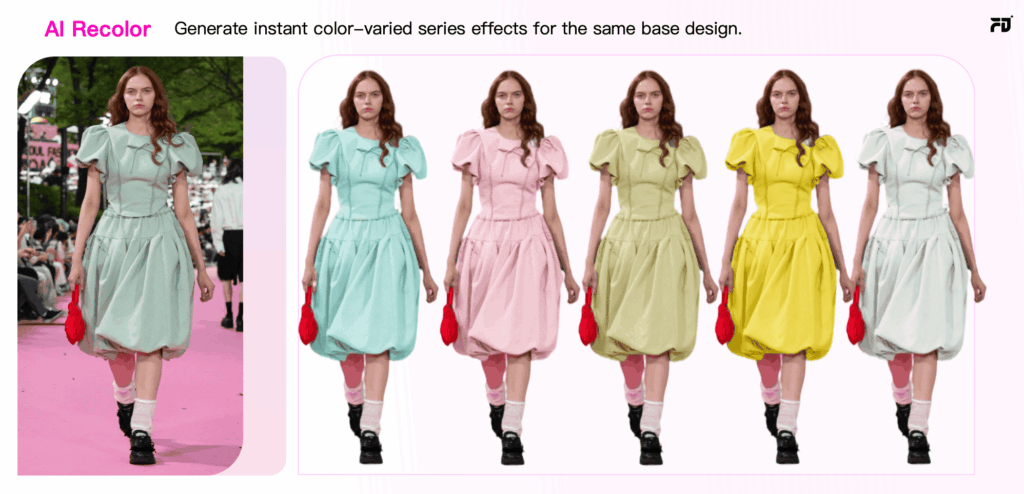
Just a few years ago, changing a single product’s color required 20 minutes of manual masking in Photoshop. Today, the latest AI Recolor tools complete the same task in seconds, often with a single click.
This technology has rapidly evolved from a designer’s convenience to an industry standard. Whether it’s individual creators perfecting portraits or fashion brands generating endless product variations, AI recolor now powers faster, cheaper, and more creative visual production.
As AI transforms design and image editing, several free AI recolor tools now make professional-grade recoloring available to everyone. Let’s explore the top AI color changers online shaping this trend in 2025.
Quick Comparison: Best AI Recolor Tools for Clothes
The best free AI recolor tools for clothes in 2026 are Fashion Diffusion (best for fashion brands and e-commerce), Pixelcut (best for instant color swaps), and AIEASE (best for portrait and hair recoloring). All three offer free access with no credit card required. For high-volume, production-ready apparel recoloring, Fashion Diffusion leads on fabric accuracy and output quality.
Tool
Best For
Recolor Quality
Free Access
Fashion Diffusion
Fashion brands & e-commerce
Excellent
Free trial
Pixelcut
Instant clothing color swaps
Good
Free (limited)
AIEASE
Portrait & hair recoloring
Good
Free (limited)
Fotor
Quick, low-fidelity swaps
Fair
Free (limited)
LimeWire
Prompt-based recoloring
Low
Free
Media.io
Photo restoration & colorizing
Fair
3-day free trial
Vheer
High-volume, low-fidelity edits
Fair
Free for personal use
What Makes a Good AI Recolor Tool for Clothes
A good AI recolor tool for clothes is one that accurately changes a garment’s color while preserving the original fabric texture, lighting conditions, and material properties — without requiring manual masking or Photoshop skills. General-purpose image editors often handle solid objects well but struggle with fabric folds, layered garments, and the nuanced way light interacts with textile surfaces. According to G2’s AI image editing category data, the most-cited user complaints for recolor tools are texture flattening (the output looks painted rather than fabric) and edge bleed (color spills into the background or adjacent garment areas). When evaluating a tool for clothing recolor specifically, four things matter:
Fabric texture preservation — Does the recolored output still look like the original material (cotton, silk, denim), or does it flatten to a uniform tone?
Edge accuracy — How cleanly does the AI isolate the garment from the background, especially around fine details like lace, hair, or loose threads?
Output resolution — Is the free-tier output usable for product listings, or watermarked and low-res?
Speed at scale — Can it handle a full catalog efficiently, or does it slow down with complex images?
1. Fashion Diffusion — Best AI Recolor Tool for Fashion and E-Commerce
Best for: Fashion brands, designers, and e-commerce sellers who need accurate, high-volume apparel recoloring.
Fashion Diffusion is an AI recolor tool built specifically for fashion and e-commerce workflows, trained on large apparel datasets to preserve fabric texture, lighting, and material properties through color changes. Unlike general image editors, it recognizes fabric structures — the sheen of silk, the matte finish of cotton, the stretch of knit — and maintains them accurately in the recolored output.
The workflow is straightforward: open Fashion Diffusion’s Recolor tool, select the garment area using AI auto-detection or the manual brush, choose a color from the palette or enter a HEX code, and generate. Output is watermark-free and ready for product pages or social media.
Strengths
Trained on fashion-specific datasets — handles fabric folds, texture, and garment edges better than general-purpose tools
Produces watermark-free, high-resolution output on the free trial
Part of a full fashion design workflow: pair Recolor with Apply Fabric to test specific fabric swatches, or Virtual TryOn to see the recolored garment on a model
Limitations
Free trial has usage limits; high-volume catalog work requires a paid plan
Optimized for fashion — less suited to non-apparel image editing
2. Pixelcut — Best for Instant Clothing Color Changes
Best for: E-commerce product shots and quick individual color swaps.
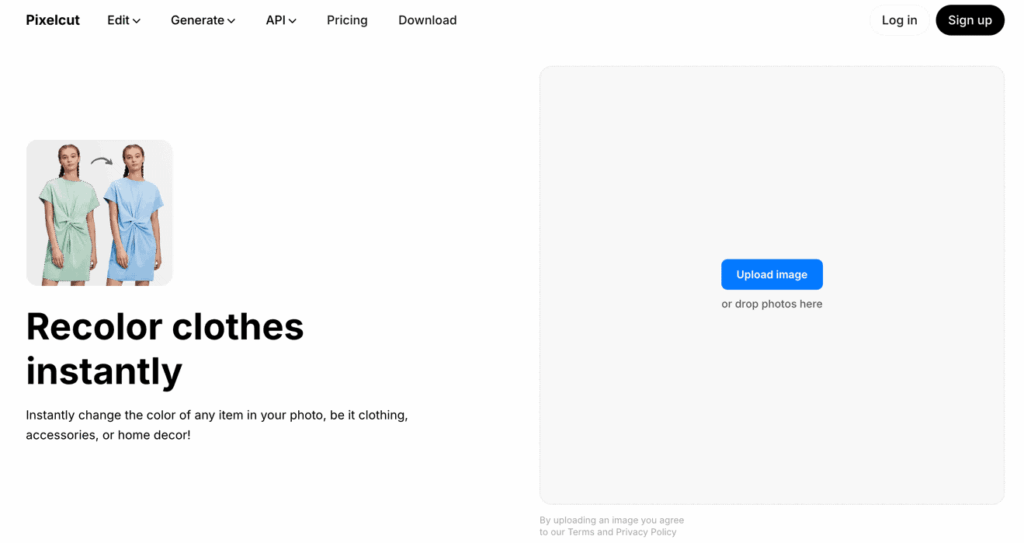
Pixelcut is an AI-powered creative platform that automatically detects multiple objects in a single image and recolors them independently — without manual selection. Useful when a product shot contains multiple garments or accessories that each need separate treatment.
Strengths
Automatically identify and recolor multiple objects within a single image — useful for product shots with multiple garments or accessories
Works on both phone and desktop, supports batch processing across multiple photos
Clean interface with minimal learning curve; widely used by eBay and Etsy sellers
Limitations
Free plan limits output resolution — insufficient for professional print or high-res marketplace requirements
Only works with static images — no AI video generation or animated product showcases
Commercial use requires a Pro upgrade; check terms before publishing free-tier output
3. AIEASE — Best for Portrait and Hair Recoloring
Best for: Portrait photographers and users who frequently recolor hair or personal styling.
AIEASE is an all-in-one AI image editing platform that offers a hybrid recolor control system — preset object categories (Hair, Top, Dress) for quick edits, or text prompts for more specific changes. Its object detection handles smooth edges and natural color blending well, particularly for portrait photography.
Strengths
Preset object categories (Hair, Top, Dress) make common recolor tasks fast with no setup
Free tier includes watermark-free downloads and is rated legitimate with a high trust score on ScamAdviser
Covers a wide range of editing tasks beyond recolor — useful as an all-in-one editing suite
Limitations
Recoloring struggles with complex shading or layered materials, per independent technical analysis — works well when boundaries are clear, less so for textured or multi-layer garments
Free tier downloads are capped at 1064 × 682px — too low for most e-commerce listing requirements
• Users report occasional slow processing and errors, particularly during peak usage; requires a stable internet connection with no offline mode (Firmsuggest user reviews)
4. Fotor — Best for Quick, Low-Fidelity Color Swaps
Best for: Casual users who need a fast color preview and don’t require photorealistic output.
Fotor is an online photo editing platform that combines traditional HSL controls (Hue, Saturation, Lightness) with an AI Replacer feature accepting text prompts for color changes. The dual approach gives flexibility, though AI output can look flat compared to specialized fashion tools.
Strengths
Combines HSL manual controls with AI text prompt recoloring — useful for users who want both quick AI edits and manual fine-tuning
No account required for basic use; straightforward interface with no learning curve
Good for photo restoration and colorization of old or faded images alongside recolor tasks
Limitations
Credit system is a recurring user complaint: credits are consumed even for unsatisfactory results, and the rules for credit consumption are unclear, per Capterra and Software Advice reviews
AI recolor output can look “artificially flat” — one independent 2026 review describes Fotor as occupying “an awkward middle ground: too limited for serious photo work”
High-resolution downloads and advanced AI features require a Pro subscription ($10.99/month).
5. LimeWire — Best for Prompt-Based Recoloring
Best for: Users comfortable writing text prompts who need quick, object-specific color replacement.
LimeWire is a file-sharing and AI editing platform whose recolor function is entirely prompt-driven — users describe the color change they want in text, and the AI applies it. Each operation costs 6 credits; new users start with 60, giving approximately 10 free recolor operations.
Strengths
Handles a wide range of file formats; supports large file sizes up to 200GB on paid plans
Free tier provides 60 credits — enough to test the tool meaningfully before committing
Simple drag-and-drop interface; most users find it easy after a short learning period
Limitations
Multiple Capterra and Software Advice reviewers describe the product as “feels cobbled-together” — the combination of file sharing, AI tools, and a token system creates an unclear identity
UI can be laggy or crashy on browser-heavy tasks, per user reports
The AI recolor function is an add-on to a file-sharing platform, not a purpose-built tool. Output quality is noticeably lower than dedicated recolor tools
6. Media.io — Best for Photo Restoration and Colorizing
Best for: Restoring old or faded photos, not precision apparel recoloring.
Media.io is a general media processing suite offering AI tools for video, image, and audio editing, with its recolor strength focused on one-click restoration of old or black-and-white photos rather than precise garment color-swapping. As a dedicated clothing recolor tool, it’s weaker than the specialized options above.
Strengths
Excellent for restoring old, faded, or black-and-white photos with AI colorization
Broad media suite covers many editing tasks beyond recolor
Limitations
Free exports include a watermark
Dedicated recolor function is less precise than fashion-focused tools
Not built for e-commerce apparel workflows
7. Vheer — Best for High-Volume, Low-Fidelity Recolor
Best for: Users who need unlimited access to recoloring and can accept lower output quality.
Vheer is an AI image editing platform that offers unlimited recolor operations on its free plan, with quality restrictions rather than usage caps. It’s practical for generating many quick color previews, but output resolution isn’t suitable for professional product listings or client deliverables.
Strengths
Genuinely unlimited free image generation with no watermark — rare in this category
No signup required; workspace is ad-free, which gives it a more professional feel than many free tools
Added a Flux Kontext Editor in late 2025 for color changes, style transfer, and object replacement
Limitations
Independent testing in 2026 found that the tool struggles with hyper-realistic anatomy and complex shading, while performing better with artistic styles than photorealistic garment recoloring
Output quality is inconsistent: some results look polished, others show visible glitches, and “some prompts require refinement” for acceptable results
Not purpose-built for fashion or e-commerce recoloring; better suited to creative experimentation than professional catalog use
Which AI Recolor Tool Should You Use?
The right tool depends on what you’re producing and at what volume. With global e-commerce apparel sales projected to exceed $1 trillion by 2027 (Statista), the ability to show products in multiple colorways quickly has become a practical competitive requirement, not a nice-to-have.
For fashion brands and e-commerce sellers who need accurate, watermark-free, production-ready images: Fashion Diffusion is the clear choice. Its fashion-specific training produces results that other general-purpose tools can’t match for apparel, and the free trial lets you test the output quality before committing.
For individual creators doing occasional portrait or lifestyle recoloring: AIEASE or Pixelcut cover most use cases at no cost, as long as you stay within their daily limits.
For quick internal previews where output quality doesn’t matter: Vheer’s unlimited free access makes it practical for rapid iteration before moving to a higher-quality tool for final output.
For photo restoration rather than fashion recolor: Media.io handles colorizing old or faded photos better than any other tool on this list.
Start Recoloring Your Fashion Products with AI
Testing colorways digitally eliminates the cost and time of physical samples. One garment photo can become a complete range of color options — ready for product pages, social media, or a buyer presentation — in minutes.
What is the best free AI recolor tool for clothes in 2026?
Fashion Diffusion leads for fashion and e-commerce use — it’s trained specifically on apparel images, preserves fabric texture accurately, and produces watermark-free output on the free trial. For portrait and casual recoloring, AIEASE and Pixelcut are strong free alternatives within their daily limits.
Can AI recolor tools handle multiple clothing items in one image?
Yes. Pixelcut and AIEASE both automatically detect multiple objects in a single image. Fashion Diffusion also supports manual brush selection to isolate specific garments in complex shots.
Is AI recolor better than Photoshop for clothing color changes?
For speed and ease, yes. AI recolor tools automate the masking and color replacement process that takes 15–30 minutes manually in Photoshop. They preserve fabric texture and lighting automatically. For very precise adjustments requiring fine manual control, Photoshop still offers more granular editing options.
Are AI-recolored clothing images suitable for Amazon or Shopify?
Yes, provided the output accurately represents the actual product color and meets platform image quality requirements. Fashion Diffusion produces high-resolution, watermark-free output on its free trial that meets standard marketplace requirements.
How does Fashion Diffusion’s Recolor work?
Upload your garment image, use AI auto-detection or the manual brush to select the clothing area you want to recolor, choose a color from the palette or enter a HEX code, and click Generate. Output is ready within seconds — no Photoshop skills required.
Can I use free AI recolor tools for commercial purposes?
It depends on the tool. Fashion Diffusion’s free trial output is commercial-use ready. Pixelcut’s free plan explicitly restricts commercial use — a Pro upgrade is required. Always check each platform’s terms before using free-tier output in commercial contexts.
Do AI recolor tools work on all fabric types?
Specialized fashion tools like Fashion Diffusion handle a wide range of fabric types — cotton, silk, denim, knit, lace — with texture preserved through the color change. General-purpose tools tend to flatten fabric texture, which is more noticeable on textured or sheer materials.
CLO 3D can build highly accurate digital garments, but accuracy isn’t always the bottleneck. Subscription costs add up quickly, and the software takes time to learn. Turning a finished 3D sample into usable ecommerce or campaign imagery still takes significant manual work, especially for smaller fashion teams.
Traditional 3D design tools still matter for fit and production. But many newer AI tools focus less on simulation and more on quicker visual creation.
This guide compares the best CLO 3D alternatives in 2026, covering professional 3D garment design software, AI fashion visualization tools, and free options. We evaluated each tool on pattern validation, garment simulation, visual output speed, ecommerce usability, learning curve, and pricing.
Two Types of CLO 3D Alternatives
CLO 3D does two things. It helps teams build digital garments from patterns, and it helps them visualize those garments on avatars.
Most CLO 3D alternatives focus on a specific part of the workflow. A 2025 McKinsey report on fashion’s digital shift found that brands investing in digital product creation reduced sampling costs by up to 30%. But the right tool depends on which part of the process you’re trying to improve.
The tools below are grouped by their primary use case: garment construction or visual output. Some tools, including Style3D, now cover both. Where that’s the case, we’ve noted the overlap in the tool description.
Category A — 3D Tools Built Around Garment Construction
Browzwear, Style3D, Marvelous Designer, Optitex, and Tukatech all fall into this category.
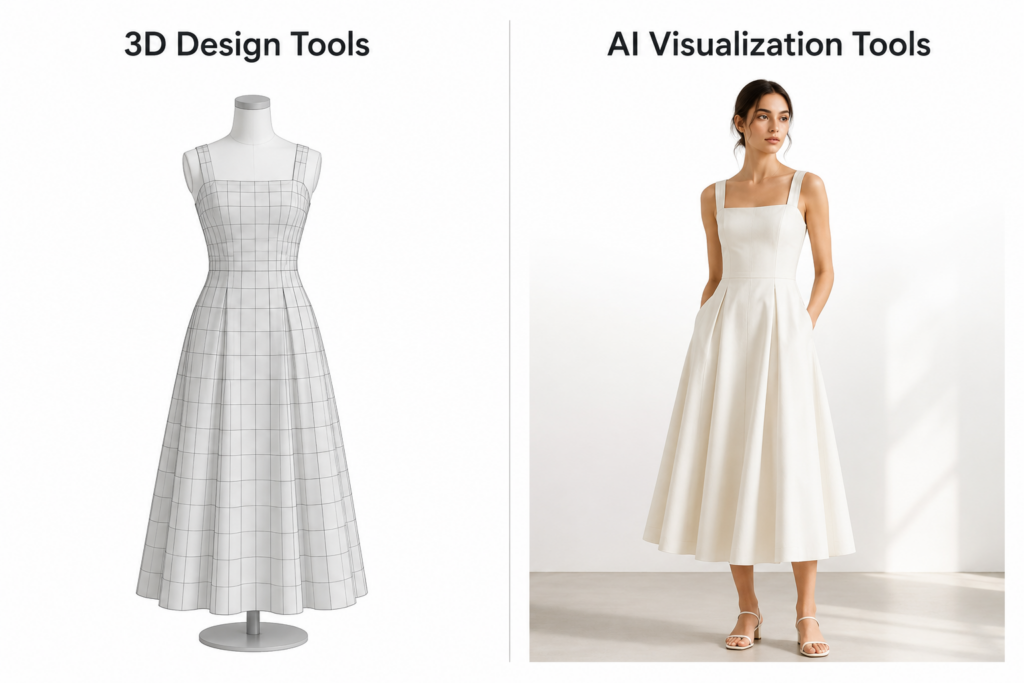
These tools turn 2D patterns into fully simulated 3D garments. Designers can test fit, fabric drape, and construction details before producing a physical sample. They work best for brands with complex production pipelines or teams trying to reduce sampling rounds and improve fit accuracy. The tradeoff is a learning curve similar to CLO 3D itself.
Category B — AI Fashion Visualization Tools
Fashion Diffusion AI, Raspberry AI, Refabric, FASHN AI, Botika, and Resleeve are examples of this approach.
This category focuses on fast image creation rather than 3D design. These tools generate realistic fashion visuals directly from sketches, flat lays, or even prompts. The final output looks closer to a real product photo than a technical render. You can pick up most AI tools without professional design knowledge.
Not sure which fits your workflow? We’ll break that down after comparing the tools.
How CLO3D compares to Top 3D Design Alternatives
If your workflow depends on pattern validation, fit testing, or reducing physical samples, these are some of the closest alternatives to CLO 3D.
Unlike AI fashion tools, they focus on garment construction and simulation.
Tool
Key Strength
Best For
Free Option
Starting Price
Learning Curve
CLO 3D
All-round garment simulation
Fashion brands & designers
14-day trial
~$50/mo
High
Browzwear
Fabric accuracy & enterprise collaboration
Large brands & manufacturers
Learner license (students only)
$75 /mo
High
Style3D
AI + 3D fashion design in one platform
Designers switching from CLO 3D
No
Custom
Medium
Marvelous Designer
Cloth simulation with keyframe animation and schematic rendering
3D artists, gaming & CGI studios
14-day trial
From $39/mo
Medium
Optitex
Pattern design, marker making & Adobe Illustrator integration
Technical designers & manufacturers
No
Custom
High
Tukatech
Pattern making to physical cutting, software and hardware
Manufacturers with full production pipeline
No
Custom
High
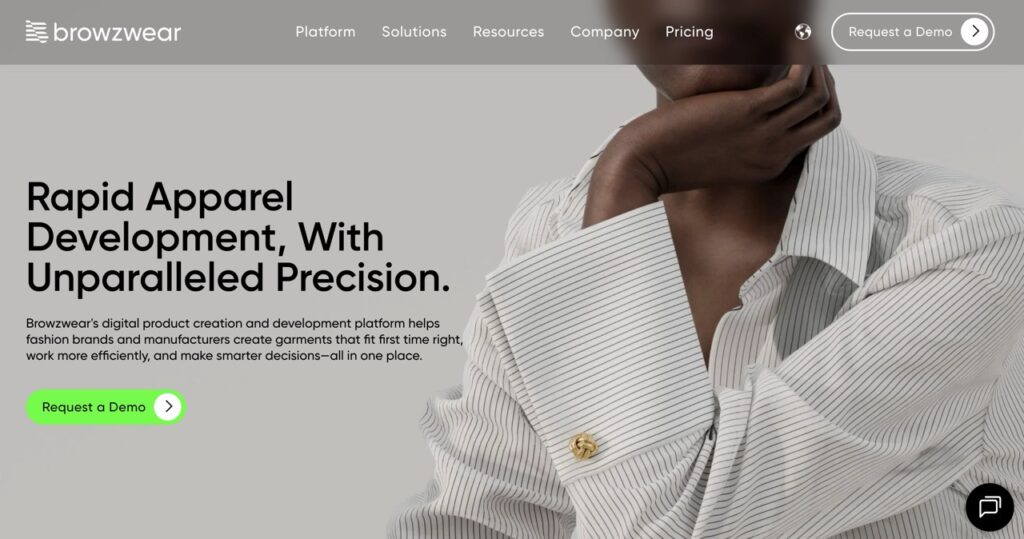
Browzwear — Best for Enterprise & Fabric Accuracy
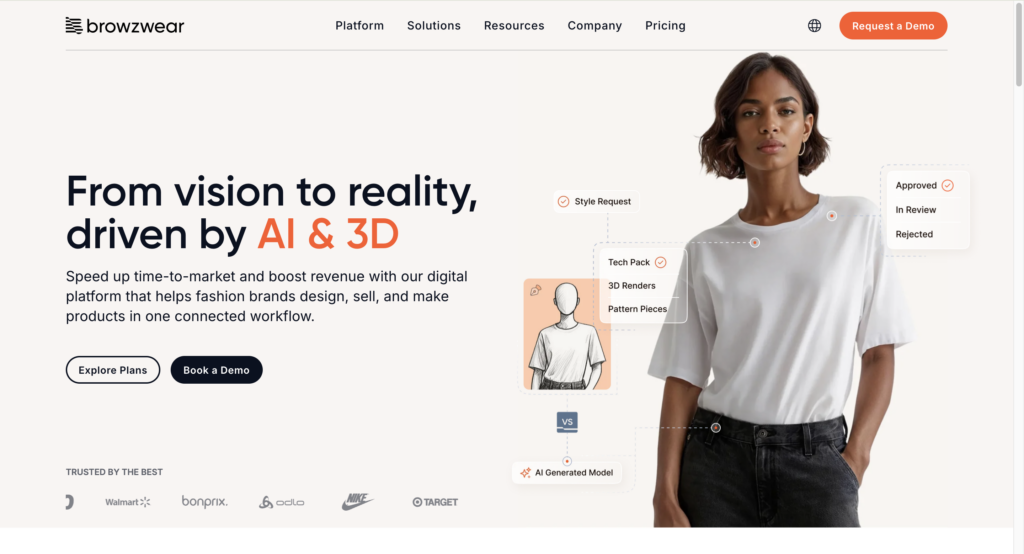
Browzwearis widely used by large apparel companies with complex production pipelines. Its biggest strength is fabric and fit accuracy across seasons.
Like CLO 3D, it still takes time to learn and requires structured workflow to get consistent results.
Best for: Large brands and manufacturers with dedicated 3D teams.
Style3D — Closestto the CLO 3D Experience
Style3D Studio is the product most comparable to CLO 3D, covering digital garment modeling and fabric simulation. In our testing, designers familiar with CLO 3D were able to complete their first garment simulation within a few hours — the interface is similar enough that the transition feels manageable.
Worth noting: Style3D has expanded beyond simulation. Style3D AI covers concept generation and marketing visuals, and Style3D Fabric adds physical fabric digitalization for manufacturers.
Best for: Designers who want CLO-style garment simulation at a lower price point.
Marvelous Designer — Strong for Visual Work
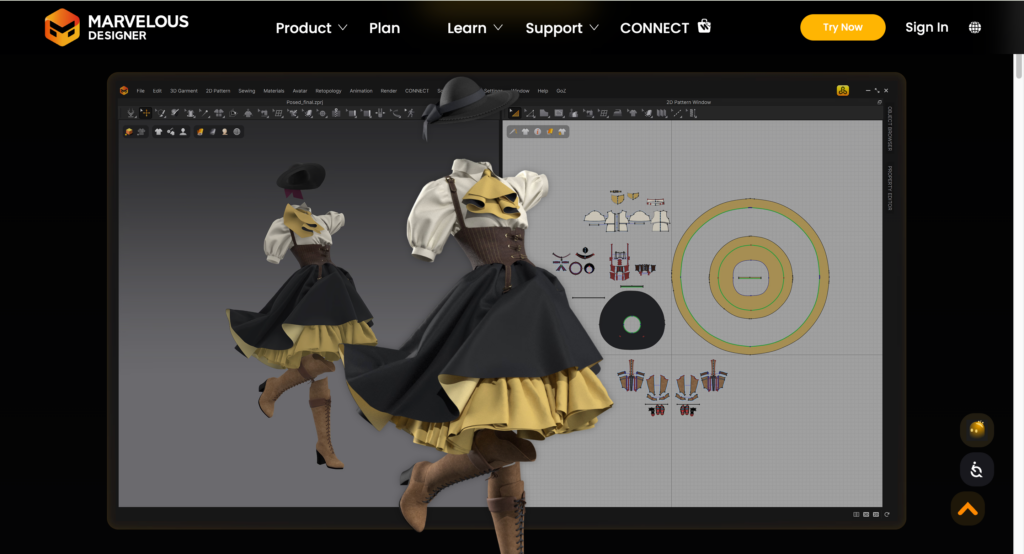
Marvelous Designer is popular in gaming, animation, and CGI for its cloth simulation in motion. Recent updates added keyframe animation and schematic rendering, making it more useful for visual storytelling and concept presentation. For fashion production, it remains stronger for visual output than technical apparel development.
Best for:3D artists and animation teams
Optitex & Tukatech — Built Around Manufacturing
Both platforms cover pattern drafting, grading, and 3D visualization with a focus on production integration.
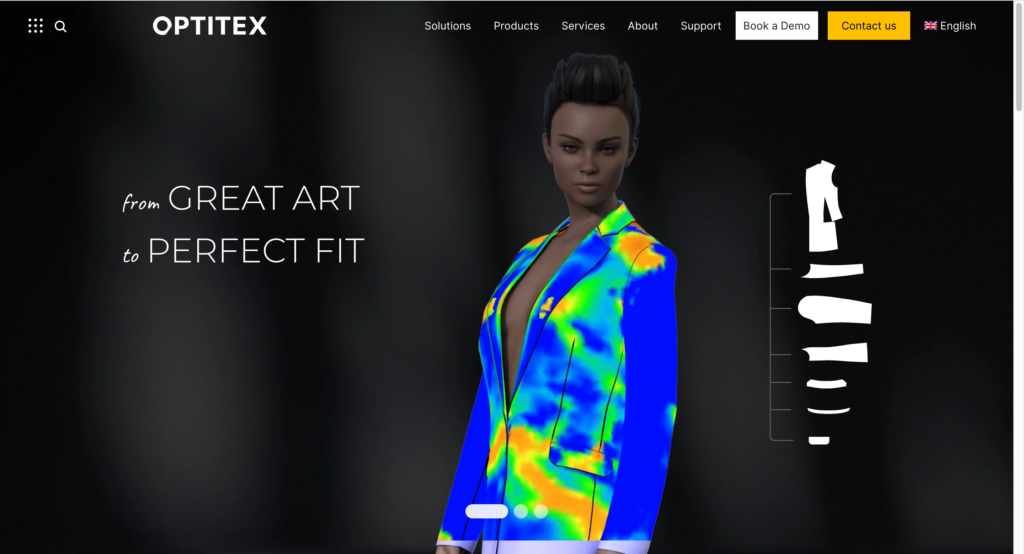
Optitex covers 2D/3D pattern design, grading, and marker making, with CutPlan for production-level cutting optimization. A notable differentiator is 3D Design for Illustrator — designers can visualize garments in 3D directly inside Adobe Illustrator without switching tools. O/Cloud adds cloud-based collaboration across teams.
Best for: Technical designers and manufacturers who work across pattern development and production planning.
Tukatech covers the full pre-production workflow: automatic pattern making (TUKA APM), grading, marker making, and fabric cutting — including hardware solutions for the cutting room. TUKA3D adds virtual fit and 3D design visualization for teams that need both.
Best for: Manufacturers managing pattern-to-production workflows.
Like CLO 3D, these tools still rely on a traditional 3D workflow. Creating the garment is only part of the process — teams often still need rendering, styling, and post-production before assets are ready for ecommerce or marketing.
AI fashion tools take a very different approach.
How CLO3D compares to Top AI Fashion Alternatives
Instead of building garments through simulation and pattern drafting, the AI tools below generate commercial-ready fashion visuals in minutes. None produce technical documentation or support production handoff.
Tool
Sketch to render
On-Body try on
Model customization
Recolor
AI video
Learning curve
Free trial
Starting price
CLO 3D
No
No
No
No
No
High
Yes
$50/mo
Fashion Diffusion AI
Yes
Yes
Yes
Yes
Yes
Low
Yes
$12/mo
Raspberry AI
Yes
Yes
No
Yes
Yes
Medium
Yes
$49/mo
Refabric
Yes
Yes
No
Yes
No
Low
Yes
$38/mo
FASHN AI
No
Yes
Yes
No
Yes
Low
Yes
$19/mo
Botika
No
Yes
Yes
No
Yes
Low
Yes
$18/mo
Resleeve
Yes
Yes
Yes
Partial
No
Low
Yes
$19/mo
Fashion Diffusion AI— Sketch to Commercial Visual
Fashion Diffusion AI is an AI fashion design and visual creation platform. Unlike the tools above, it covers the full workflow from concept through campaign content in one place — accepting text prompts, sketches, and garment photos as input.
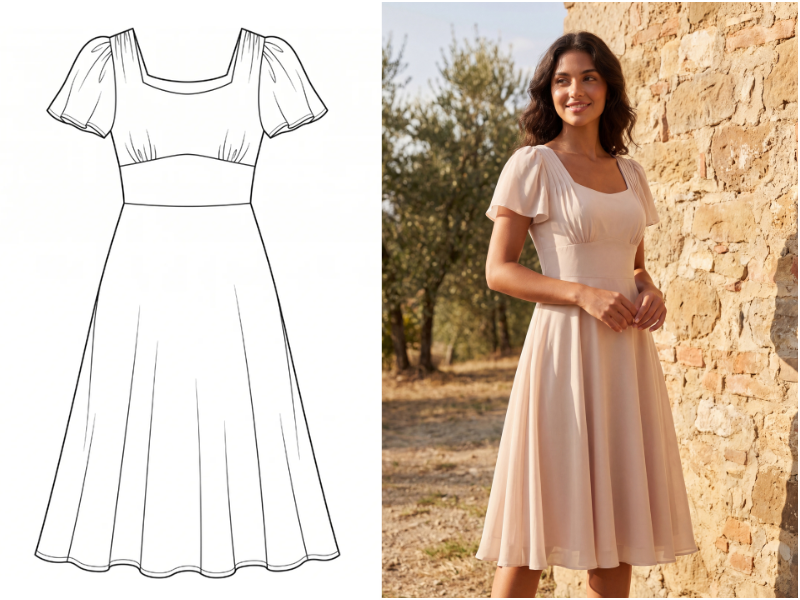
We tested the sketch-to-render feature by inputting a hand-drawn dress sketch. The image was ready in about one minutes.
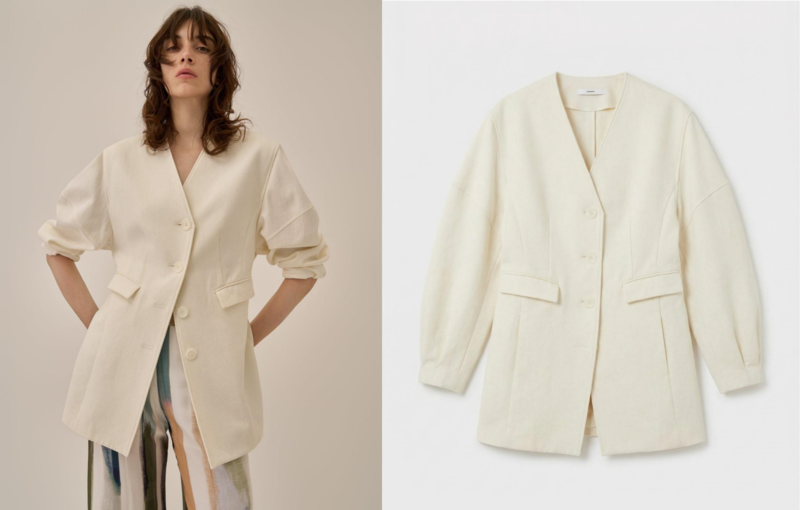
Fashion Diffusion AI-generated
Best for: Independent designers and brands who want to go from sketch to commercial-ready visuals without multiple subscriptions or studio setups.
End-to-end workflow from sketch to marketing visuals in a single platform
Inputs include prompt, sketch, and garment photo — usable at any workflow stage
Pattern and textile tools not available in other tools on this list
Cons:
High-end editorial campaigns may still benefit from traditional photography
Full feature set takes time to explore
Virtual try-on is one area where AI tools differ significantly. For a detailed side-by-side, see how Fashion Diffusion AI and Botika compare on on-model output.
Earlier in process — Raspberry AI / Refabric
Both tools focus on early-stage concept visualization — turning sketches or reference images into photorealistic garment visuals. The core use case is the same: replace early concept sample rounds.
Raspberry AI covers the full design-to-marketing workflow including on-body visualization, lifestyle photography, and motion content, with integrations for Browzwear, Adobe, and Coloro. Refabricis more focused on design exploration and fabric/texture visualization, with brand-trainable AI for consistent aesthetic output.
Best for: Design teams replacing early concept sample rounds and internal design reviews.
· Raspberry AI: Free trial available. Individual plan starts at $49/month.
· Refabric: Free trial available. Starts at $38/month.
Pros:
· Refabric has a free entry point
· Raspberry includes dedicated onboarding for all plans
Cons:
· Raspberry has no self-serve entry
· Output fidelity depends on input quality
Later in process — FASHN AI / Botika / Resleeve
All three take an existing garment image and generate on-model visuals. All require a real garment photo — none can generate from a sketch.
FASHN AI covers on-model visual creation — virtual try-on, product-to-model conversion, model swap, and consistent AI model creation. Short videos add motion to try-on outputs, and an API supports high-volume processing. In our testing, a standard flat-lay photo generated on-model variations in roughly one minute per image.
Botika is designed primarily for Shopify sellers doing high-volume catalog conversion, with no pose changer or custom model maker.
Resleeve operates as a managed production studio — brands submit a brief and receive finished stills, video, and channel-ready exports.
Best for: Ecommerce teams converting existing product photography to on-model imagery at scale.
Key features:
FASHN AI: virtual try-on, product to model, model swap, consistent models, short videos
FASHN AI and Botika are self-serve solutions with quick turnaround.
Resleeve provides full-service production for teams without in-house capacity.
Cons:
Botika lacks pose control and custom model option
Resleeve is not self-serve — not suited for quick one-off outputs
Which CLO 3D Alternative Is Right for You?
Find Your CLO 3D Alternative by your priority and use case.
I am…
My priority is…
Best pick
Student / indie designer
Low cost, fast learning
Fashion Diffusion AI or Refabric
Freelance designer
Concept visualization, no sampling
Fashion Diffusion AI or Raspberry AI
Fashion brand, design team
Replace early sample rounds
Fashion Diffusion AI or Raspberry AI
E-commerce team
On-model imagery at scale
FASHN AI or Fashion Diffusion AI
Manufacturer / technical team
Fit validation, pattern grading
Browzwear or Style3D
Enterprise, full pipeline
3D simulation + production handoff
Browzwear or Optitex
Need free 3D simulation
CLO-style workflow, no budget
Marvelous Designer free trial
Need free AI visual tool
Fast visuals, no budget
Fashion Diffusion AI or Refabric
Our Recommendation: Test Before You Commit
The best way to evaluate any of these tools is to test them inside your own workflow — with your actual files and requirements.
Fashion Diffusion AI offers a free trial, so you can test your own sketches, generate fashion visuals, and evaluate whether the workflow fits your team before committing.
Whether you’re testing early concepts, refining garment visuals, or preparing ecommerce assets, hands-on testing gives you a clearer sense of which tool fits your workflow.
FAQ
What is the best free or low-cost alternative to CLO 3D?
For 3D simulation, there is currently no strong free alternative to CLO 3D. For AI fashion design tools, all tools on this list — Fashion Diffusion AI, Raspberry AI, Refabric, FASHN AI, Botika, and Resleeve — offer a free trial. Check each platform directly for current credit limits and restrictions.
Can AI tools really replace CLO 3D?
Partially. AI fashion tools like Fashion Diffusion AI, FASHN AI, and Raspberry AI can replace CLO 3D’s visual output — generating on-model imagery from sketches or garment photos without 3D modeling. What they cannot replace is CLO 3D’s core function: pattern validation, fabric physics simulation, and fit grading for complex garment construction. If your goal is commercial visuals, AI tools are a credible alternative. If your goal is technical fit development, they are not.
What is the easiest CLO 3D alternative for beginners?
For beginners interested in 3D simulation, Style3D has the most familiar interface for anyone coming from CLO 3D, with a shorter learning curve than CLO 3D. For beginners who want to skip 3D entirely, Fashion Diffusion AI and other tools require no technical background — most users produce their first garment visual within minutes of signing up.
What do professional fashion brands use instead of CLO 3D?
Enterprise brands typically use Browzwear or Optitex for technical development and production integration. For visual content and ecommerce photography, mid-size and growing brands are increasingly replacing traditional photoshoots with AI visual tools — using platforms like Fashion Diffusion AI to go from sketch to campaign-ready imagery without the overhead of a full 3D pipeline or studio budget.
Can I use a CLO 3D alternative for ecommerce product photography?
Yes. This is where AI alternatives have a clear advantage over CLO 3D. AI fashion design tools generate on-model product imagery directly from flat-lay or garment photos, without a photoshoot or 3D modeling. Fashion Diffusion AI supports flat lay generation, background swapping, and AI model customization — all common ecommerce content requirements.
In 2026, there’s a specialized tool for every stage of the clothing design workflow — from first sketch to finished product listing. The challenge isn’t finding apps. It’s knowing which ones are worth your time and money.
This guide compares the 10 best clothing design apps in 2026 — from free sketching tools to AI platforms like Fashion Diffusion that take designs from concept to product photography — with pricing, real pros and cons, and a workflow guide to help you build the right stack for your budget.
Quick Comparison: Best Clothing Design Apps at a Glance
App
Category
Best For
Starting Price
Fashion Diffusion
AI design + photography
End-to-end AI fashion workflow
Free trial $12/mo
Adobe Illustrator
Technical design
Factory-ready tech packs
$22.99/mo
Procreate
Sketching
iPad fashion illustration
$12.99 one-time
CLO3D
3D prototyping
Virtual sampling and fit testing
~$50/mo
Canva
Visual design
Mood boards and social content
Free
Style3D
3D + collaboration
Distributed design teams
Free trial ~$49/mo
Adobe Fresco
Digital painting
Fashion illustration with live brushes
Free
Browzwear
Enterprise 3D
Large brands with PLM integration
$75 /mo
Valentina
Pattern making
Budget-conscious pattern drafters
Free
Sketchbook
Sketching
Cross-platform concept sketching
Free
How We Evaluated These Clothing Design Apps
We assessed each clothing design app across six dimensions:
Ease of use — how quickly a new user can produce usable output
Workflow coverage — how many stages of the design process the tool handles
AI capabilities — sketch generation, model photography, virtual try-on
Production readiness — whether output is accepted by factories and platforms
Collaboration features — multi-user editing, sharing, and team access
Pricing and value — cost relative to what each tool actually delivers
Tools were evaluated based on direct product use and documented feature sets as of May 2026.
Why AI Is Changing the Clothing Design App Landscape
Traditional fashion workflows required a separate tool for every stage:
Sketching software for ideation
Technical CAD for production files
Studio shoots for product photography
Image editing for post-processing
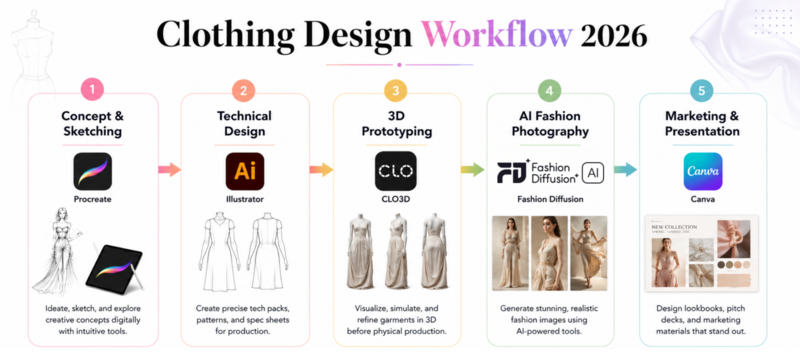
In 2026, AI platforms are collapsing these stages. Instead of Sketch → Sample → Shoot → Edit, designers can now move through Sketch → Generate → Publish in a single platform.
The biggest shift is at product photography. AI tools like Fashion Diffusion now generate studio-quality model shots from a single flat-lay photo, in a minute, at a fraction of the cost. Adobe Illustrator is still the standard for tech packs. CLO3D still leads for 3D sampling.
But for independent designers and small brands, AI has removed the biggest cost and time barriers that previously made professional-quality product imagery inaccessible.
Fashion Diffusion AI-Generated
How to Choose the Right Clothing Design App
Before diving into individual tools, it helps to understand what stage of the design process you’re optimizing for. Most designers need more than one app — the question is which combination fits your workflow and budget.
By workflow stage
The clothing design process typically runs through five stages:
Stage 1 — Concept and sketching: Translating ideas into visual form. Best tools: Procreate, Adobe Fresco, Sketchbook.
Stage 2 — Technical design: Creating flat drawings, construction specs, and measurement documents manufacturers need. Best tools: Adobe Illustrator, Valentina.
Stage 3 — 3D prototyping: Building virtual garments to test fit, fabric behavior, and construction. Best tools: CLO3D, Style3D, Browzwear.
Stage 4 — AI fashion photography: Turning finished garments into product shots and model photos without a photoshoot. Best tools: Fashion Diffusion.
Stage 5 — Marketing and presentation: Mood boards, lookbooks, and social content. Best tools: Canva, Adobe Fresco.
1. Fashion Diffusion — Best AI Clothing Design App for End-to-End Workflows
Fashion Diffusion is an AI-powered fashion design and photography platform that covers more of the clothing design workflow than any other tool on this list. Where most apps specialize in a single stage — sketching, or 3D, or photography — Fashion Diffusion connects them all: sketch a design, visualize it on an AI model, generate a flat lay, and produce product photography in one place, without stitching together five separate subscriptions.
Best for: Independent designers and brands who want to go from sketch to product-ready visuals without expensive studio setups.
Key features
Sketch to Render: Upload a hand-drawn or digital sketch and the AI generates polished, photorealistic fashion visuals. Iterate on fabrics, colors, and silhouettes without touching a physical sample.
Virtual Try-On: Place any garment on a realistic AI model from a flat-lay photo, with accurate fabric draping, texture, and fit.
AI Model Generator: Generate diverse AI model photos from text prompts. Customize ethnicity, pose, and styling without booking a model.
Flat Lay Generator: Produce clean flat lay and 3D ghost mannequin product images directly from model photos or garment shots.
Change Background: Swap backgrounds on existing product photos to adapt images for different platforms or campaigns.
Who gets the most value
Independent designers who couldn’t afford professional photoshoots can now generate studio-quality model shots from a single flat-lay photo
Multi-platform brands can adapt one source image for Amazon, Shopify, Instagram, and wholesale catalogs without re-shooting
Designers who iterate frequently can sketch a new concept and see it on a photorealistic model in minutes via Sketch to Render
Pricing: Free trial available; paid plans for higher volume and advanced features.
Pros
Covers the widest range of the design workflow in a single platform
Sketch to Render makes early-stage concept visualization fast and cost-effective
Virtual Try-On maintains fabric texture and detail accuracy for credible product imagery
Flat Lay Generator produces ghost mannequin results from model photos without prompts or Photoshop
Cons
AI-generated imagery is best suited for e-commerce and social content; high-end editorial campaigns may still benefit from traditional photography
Full feature set takes time to explore; new users typically start with one or two tools and expand from there
2. Adobe Illustrator — Best Clothing Design Software for Technical Flats
Adobe Illustrator is the industry standard for technical fashion design — not because it’s the most intuitive, but because factories worldwide expect files in its format. Illustrator’s vector tools give you the precision needed for garment specs, seam placement, and construction documentation that survives resizing without quality loss.
That said, real users consistently note it’s not purpose-built for fashion: it lacks a native Pantone library (Adobe removed it in a controversial 2022 update), and its Recolor Artwork tool handles subtle shades of black, white, and gray poorly. For many designers, learning Illustrator means learning to work around its quirks.
Best for: Professional fashion designers creating tech packs and production drawings for manufacturers.
Key features
Precision vector drawing for garment silhouettes and construction details
Measurement and annotation tools for factory-ready tech packs
Textile pattern and repeat design for print development
Round-trip integration with Photoshop and other Adobe CC apps
Scalable output that prints cleanly at any size
Pricing: 7-day free trial. Single app $22.99/month (annual) or $34.49/month (monthly). All Apps plan $59.99/month.
Pros
Universal factory acceptance — the file format manufacturers worldwide work with
Vector output maintains quality from business card to billboard scale
2025–2026 updates improved launch speed and save performance significantly
Cons
Not purpose-built for fashion: no native Pantone library, weak color tools for neutral shades
Demands significant hardware — 16GB RAM recommended; older systems will struggle
Subscription cost adds up fast; according to G2 user reviews, many long-term users wish it were a one-time purchase
3. Procreate — Best App to Design Clothes on iPad
Procreate has a near-cult following among fashion designers for good reason: drawing on it with an Apple Pencil genuinely feels like working with physical media. The pressure sensitivity is responsive, the brush engine is extensive, and the interface stays out of your way.
The one-time $12.99 purchase price remains remarkably low for the level of professional-quality work it enables. Where users run into friction is at the edges of its scope — it’s a sketching tool, not a production tool. You can’t output vector files for tech packs, exporting PSD files with masks intact is a known limitation, and layer count drops as canvas resolution increases.
Best for: Fashion illustrators and designers who want a natural sketching experience on iPad.
Key features
Brush engine with 200+ options, including pressure, tilt, and flow sensitivity
Layer-based system for building fashion illustrations with editable components
Time-lapse recording for process documentation and portfolio content
Symmetry and QuickShape tools for clean garment silhouettes
Offline functionality — no internet required to work
Pricing: $12.99 one-time purchase. iPad only.
Pros
One-time payment with no subscription — the strongest value proposition on this list
Natural drawing feel that consistently outperforms web-based sketching tools on iPad
Works completely offline, useful for sketching anywhere without connectivity
Cons
iPad only — no Android, Windows, or macOS version; some users buy an iPad specifically for Procreate
Layer count drops as canvas resolution increases, limiting large-format print work
No vector output and limited PSD export compatibility — a known issue flagged byCapterra reviewers — making handoff to Illustrator clunkier than it should be
4. CLO3D — Best Clothing Design App for 3D Prototyping
CLO3D is the most trusted 3D garment simulation tool in the fashion industry. Its fabric physics engine handles drape, weight, and stretch with enough fidelity to catch fit problems before you cut fabric. Real users consistently report 30–50% reductions in physical sampling costs after adoption.
The trade-off is performance: once you lower particle distance and stack complex layers of fabric physics, simulations slow down considerably. Custom avatar compatibility is also a known friction point — converting third-party avatars often distorts shape when you try to make them size-editable. CLO3D is best understood as a virtual sampling platform. Teams typically adopt it when physical sample costs become operationally painful, around 5–10 samples per season.
Best for: Brands and designers who want to test fit and construction virtually before committing to physical samples.
Key features
Physics-accurate fabric simulation covering drape, weight, stretch, and layering
Virtual fit testing on adjustable body avatars across multiple sizes
Pattern import from Illustrator and 2D CAD tools
Animation and turntable rendering for presentations and buying reviews
Transparent subscription pricing with monthly or annual options, cancelable anytime
Pricing: Free trial available. Individual plans from $50/month.
Pros
Realistic simulation quality that production teams actually trust for fit decisions
Transparent pricing — stated clearly on the website, manageable for freelancers
Large community of tutorials; CLO is responsive to user feature requests
Cons
Simulation slows significantly with complex multi-layer garments — consistently reported in G2 user reviews
Custom avatar conversion is frustrating — converted avatars often lose shape editing or can’t use native accessories
Requires a high-spec machine; 16GB RAM is a practical minimum for comfortable performance
Fashion Diffusion vs CLO3D: Which do you need
These two tools are often compared, but they solve different problems.
Feature
Fashion Diffusion
CLO3D
AI model generation
Yes
No
Virtual try-on
Yes
Limited
3D fabric simulation
No
Yes
Product photography
Yes
No
Sketch to render
Yes
No
Pattern making
No
Yes
Learning curve
Low
High
Starting price
Free trial
~$50/mo
Best for
Photography & visualization
Fit testing & sampling
If your bottleneck is product photography — use Fashion Diffusion. If your bottleneck is physical sampling costs — use CLO3D. Many growing brands use both: CLO3D for development, Fashion Diffusion for catalog production.
5. Canva — Best Free Clothes Design App for Mood Boards and Marketing
Canva is genuinely excellent at what it’s designed for: fast, template-based visual communication. For mood boards, wholesale presentations, and social content, it’s the quickest path from idea to shareable asset. The free tier is permanently available and unusually generous for design software. Where users hit limits is when they need professional design control — layer management, blending modes, and masking are thin compared to dedicated tools. A recurring complaint is the lack of PSD export, which makes it difficult to pass work to a professional designer for refinement. Output also has a recognizable ‘Canva look’ that can work against brand differentiation. For fashion brands specifically, it has no garment-specific tools — it’s a communication and presentation layer, not a design tool.
Best for: Designers and brands who need mood boards, lookbook layouts, and social media content without a steep learning curve.
Key features
250,000+ templates covering social media, presentations, and print formats
Drag-and-drop interface that requires no design background
Brand Kit (Pro) for maintaining consistent fonts, colors, and logos across assets
Magic Studio AI tools for image generation and background removal
One-click resize to adapt a design across multiple platform formats
Pricing: Free tier permanent and fully functional. Canva Pro $15–$18/mo (or ~$144/year).
Pros
Free tier is the most generous in its category — not a trial, not feature-locked
Productive within minutes; no learning curve for basic use cases
Cross-format resize saves real time when adapting content across platforms
Cons
No PSD export — difficult to hand off work to professional tools without workarounds
Layer control, masking, and blending modes are shallow compared to Illustrator or Photoshop
Output has a recognizable template aesthetic that requires deliberate customization to avoid
6. Style3D — Best Clothing Design App for Distributed Teams
Style3D has rapidly gained ground on CLO3D, particularly among designers who prioritize speed, modern UI, and cloud sharing over manufacturing-grade export depth. Its simulation quality now rivals CLO3D in most garment categories, and its native asset library — covering hairstyles, avatars, fabrics, and scene settings — is more extensive out of the box than CLO3D’s.
The key differentiator is its cloud-first architecture. The honest limitation is on the manufacturing side: Style3D is still missing some export formats that CLO3D has championed. It also has limited Mac support.
As of 2026, Style3D offers both a free individual tier and lower-cost creator plans, making it one of the most accessible professional-grade 3D fashion platforms for students, freelancers, and growing brands.
Best for: Design teams working across multiple offices or time zones who need real-time 3D collaboration.
Key features
Cloud-based 3D garment design with real-time multi-user collaboration
Simulation quality comparable to CLO3D across most fabric types
Richer native asset library (avatars, hairstyles, fabrics, scenes) than CLO3D
Smoother animation and Blender export workflow than CLO3D
Free individual tier available
Pricing: Free tier available. Paid plans: $99+/mo for basic plans.
Pros
Free tier makes it accessible to students and independent designers without upfront cost
Modern interface with faster onboarding than CLO3D for new users
Better animation and Blender export workflow than CLO3D
Cons
Missing some manufacturing export formats that CLO3D supports — less suitable for factory-direct handoff
Limited Mac support, which affects Apple-first design studios
Smaller professional community than CLO3D; fewer industry tutorials and third-party resources
7. Adobe Fresco — Best Free App for Fashion Illustration
Adobe Fresco sits between Procreate and Illustrator — it handles the painterly, expressive illustration work that neither does well. Its Live Brushes genuinely simulate watercolor bleed and oil paint mixing. The free tier includes a working brush set and unlimited canvas use.
The friction point users raise consistently is platform availability: Fresco works on iPad and Windows, but there’s no macOS standalone app, forcing Mac desktop users to skip it entirely. It’s a pure illustration tool — no vector output, no pattern making, nothing that feeds directly into a manufacturing workflow.
Best for: Fashion designers and illustrators who want realistic traditional media simulation in a digital tool.
Key features
Live Brushes that simulate physical watercolor bleeding and oil paint layering
Combined raster and vector tools on one canvas
Round-trip editing with Illustrator and Photoshop via Creative Cloud
Apple Pencil and Surface Pen support with pressure and tilt sensitivity
Free tier with no time limit and a functional brush set
Pricing: Free tier with core brushes. $34.99/mo for individuals.
Pros
Live Brush watercolor and oil simulation is more convincing than Procreate’s equivalent
Free tier is genuinely usable without pushing users toward an upgrade
Tight integration with Illustrator and Photoshop for designers already in the Adobe ecosystem
Cons
No macOS standalone app — Mac desktop users are effectively excluded
Strictly an illustration tool; no path to production files or manufacturing documentation
Advanced features are gated behind the full Creative Cloud subscription
8. Browzwear — Best Clothing Design Software for Enterprise Teams
Browzwear is built for organizations where 3D fashion design needs to connect directly into supply chain systems. Its VStitcher tool handles detailed garment construction with certified fabric physics, and its PLM integrations are genuinely deeper than what CLO3D or Style3D offer at enterprise scale — a distinction covered by Delogue’s industry comparison of the four leading 3D fashion platforms.
The honest caveat is accessibility: there’s no public pricing, no self-serve trial. For independent designers or small brands, the answer is simply don’t — the tool is not built for that context.
Best for: Large fashion brands and manufacturers managing 100+ SKUs per season with PLM integration needs.
Key features
VStitcher for detailed 3D garment creation with certified fabric properties
Lotta for rapid design visualization and merchandising presentations
PLM integration with major fashion industry platforms
Certified digital fabric library for the most accurate material simulation available
End-to-end workflow from concept to production-ready output
Pricing: Freelancer ~$75/mo ($750/yr), FreelancerPlus ~$150/mo, Teams ~$3,950/yr, and Enterprise custom.
Pros
PLM integrations go deeper than any other tool on this list
Certified fabric digitization is the most accurate material simulation in fashion software
Built specifically for the operational complexity of large-scale brand workflows
Cons
No public pricing or self-serve access — requires an enterprise sales process
Long onboarding period; teams new to 3D tools often take months to reach full productivity
Not a practical option for any team under approximately 10 designers
9. Valentina — Best Free Clothing Design Software for Pattern Making
Valentina is a free, open-source pattern-making application that handles parametric drafting — the same process done in commercial CAD tools that cost hundreds per month. You input body measurements, build pattern blocks, and Valentina automatically grades them across multiple sizes. The honest picture from its user community is that it does the core job well, but it feels unpolished: the interface is dated, documentation is sparse, and troubleshooting often means digging through forums.
For designers who need pattern-making capability and can’t justify commercial CAD costs, Valentina removes the financial barrier entirely.
Best for: Independent designers and students who need professional-level pattern drafting without the cost of commercial CAD software.
Key features
Parametric pattern drafting based on custom body measurements
Automatic multi-size grading from a single pattern
Layout tools for optimizing fabric usage and minimizing waste
Export to DXF, SVG, and PDF for cutting and production
Cross-platform: Windows, macOS, and Linux
Pricing: Free and open source. No subscription, no premium tier.
Pros
Zero cost with no hidden tiers — full pattern-making capability at no expense
Parametric grading automates what would otherwise be done manually per size
Cross-platform including Linux, which no commercial fashion tool supports
Cons
Interface feels significantly dated compared to commercial alternatives
Documentation is thin; learning relies heavily on community forums
No 3D visualization — patterns exist only as 2D geometry until you move to another tool
10. Sketchbook — Best Free Cross-Platform Clothing Design App
Autodesk Sketchbook is the most capable free sketching tool that works across iPad, Android, Windows, and macOS. For designers who sketch on multiple devices, or who want professional drawing tools without committing to the Apple ecosystem Procreate requires, Sketchbook is the practical answer. Users who compare the two directly note that Sketchbook’s brush feel on iPad is slightly behind Procreate — more mechanical, less pressure-responsive at the subtle end. But for concept sketching, silhouette work, and quick ideation, the cross-platform freedom is Sketchbook’s genuine advantage.
Best for: Designers who need a free, cross-platform sketching tool that works across devices.
Key features
Full brush engine with pressure and tilt sensitivity across all platforms
Layer support for building complex fashion illustrations
Predictive Stroke for clean geometric outlines and garment edges
Symmetry tools for balanced garment and pattern visualization
Available on iPad, Android, Windows, and macOS
Pricing: Legacy Autodesk version had free elements. Sketchbook Pro (post-Autodesk) is a one-time purchase (~$19.99–$24.99) for full features on desktop. Mobile may differ.
Pros
Genuinely free with no feature-locked premium tier or usage caps
Works on any device you already own — no ecosystem lock-in
Usable immediately with no setup or account required
Cons
Brush response on iPad is less nuanced than Procreate at fine pressure levels
No vector output — not suitable for tech packs or factory documentation
Smaller community than Procreate; fewer fashion-specific brush packs and tutorials
Building Your Clothing Design App Stack
No single app covers the entire clothing design workflow. Most professional designers and brands use a combination of two to four tools, each doing what it does best. Here are three practical stacks based on budget and scale.
Starter stack (free to under $15)
For beginners and designers just getting started:
Sketchbook (free) or Procreate ($12.99 one-time) for concept sketching
Canva (free) for mood boards and presentations
Fashion Diffusion (free trial, $12/month starter plan) for visualizing designs on AI models and generating initial product imagery
This stack covers concept through visualization without a recurring monthly spend. It’s enough to take a collection from sketch to product images for a small launch.
Professional stack ($35/month)
For independent designers and small brands producing for market:
Procreate ($12.99 one-time) for sketching and illustration
Adobe Illustrator ($22.99/month) for tech packs and production drawings
Fashion Diffusion (paid plan starting at $12/month) for AI model photography and product visualization
This covers the complete workflow from initial sketch through factory-ready documentation and product photography.
Growth stack (~$60+/month)
For brands scaling catalog volume and needing 3D capabilities:
Adobe Illustrator for tech packs
CLO3D (~$50/month) or Style3D (free trial + enterprise plans) for virtual sampling
Fashion Diffusion for product photography and AI model shoots at scale
The key investment here is the 3D tool, which pays for itself by reducing physical sample rounds. Fashion Diffusion handles the photography end, eliminating per-image retouching costs at catalog scale.
Free Clothing Design Apps Worth Knowing
Several tools on this list offer genuinely useful free tiers — not just feature-locked previews. If you’re building a workflow on a minimal budget:
Adobe Fresco (free tier): A strong brush set for fashion illustration; the free version includes Live Brushes and is not time-limited.
Sketchbook: Fully functional cross-platform sketching app with no premium tier or hidden costs.
Canva (free tier): Fashion presentation, mood boards, and social content with thousands of templates.
Valentina: Completely free open-source pattern-making software; parametric grading included at no cost.
Fashion Diffusion (free trial): A free trial covers Sketch to Render, Virtual Try-On, and Flat Lay Generator.
Choosing the Right Clothing Design App for Your Workflow
The clothing design app landscape in 2026 is more capable and more affordable than it has ever been. Free tools like Sketchbook, Valentina, and Canva remove the cost barrier for getting started. Professional tools like Illustrator and CLO3D remain the industry standard where precision matters. And AI platforms like Fashion Diffusion have closed the gap between having a design and having product-ready photography — without a studio, a model, or a Photoshop license.
The most effective approach isn’t to find one app that does everything. It’s to build a small stack where each tool does one thing well. Sketch in Procreate. Produce tech packs in Illustrator. Visualize and photograph in Fashion Diffusion. That combination covers the full workflow from concept to published listing, at a cost most independent designers and small brands can sustain.
FAQ
What is the best clothing design app in 2026?
Fashion Diffusion is the best AI clothing design app for sketch-to-photo workflows; Procreate is the best for iPad sketching; Adobe Illustrator is the standard for tech packs. The right choice depends on your workflow stage — most designers use two or three tools together.
What is the best app to design your own clothes from scratch?
The most practical combination: Procreate for sketching, Fashion Diffusion for AI visualization and product photography, and Adobe Illustrator if you’re going to production. Fashion Diffusion’s Sketch to Render is particularly useful for designers who want to see hand-drawn concepts as photorealistic fashion visuals quickly.
Which clothing design app is best for beginners?
Procreate (iPad) or Sketchbook (any device) for sketching; Fashion Diffusion for seeing your designs on AI models immediately; Canva for presentations. Avoid Adobe Illustrator and CLO3D until you have a basic workflow in place — both have steep learning curves.
Do I need a separate app for clothing photography?
No — Fashion Diffusion generates AI model shots, flat lays, and ghost mannequin images directly from garment photos, within the same platform you use for design. For high-end editorial campaigns, traditional photography still has a role; for e-commerce listings and social content, AI handles the majority of use cases.
Which 3D clothing design software is better: CLO3D or Style3D?
CLO3D for solo or co-located teams; Style3D for remote or distributed teams. CLO3D has a larger community and longer track record, and is the stronger choice when manufacturing-grade export formats matter. Style3D has better real-time collaboration, a more modern interface, and a free tier for students and independent designers.
Is AI replacing traditional clothing design tools?
For product photography, largely yes. Fashion Diffusion handles this faster and at a fraction of traditional costs. For technical design and 3D simulation, AI augments rather than replaces — the precision of Illustrator and CLO3D isn’t yet replicated by generation alone. The most effective workflow combines both.
Ever dreamt of creating your own dress, but felt held back by a lack of design skills?
In 2026, AI has changed the game. What was once exclusive to designers is now accessible to anyone. Today’s AI fashion design tools can interpret your ideas, generate drafts, refine details, and even visualize the finished look.
In this guide, we’ll highlight the 12 best AI dress design tools of 2026. Whether you’re a beginner, hobbyist, or aspiring designer, these platforms offer an easier—and far more inspiring—way to bring your ideas to life.
Why Online Dress Design Is Exploding in 2026
Online dress design is experiencing a major surge in 2026, driven by a combination of shifting consumer expectations and rapid advances in Generative AI.
Shoppers today want pieces that feel personal—unique silhouettes, custom colors, and designs that reflect their own style rather than mass-produced products. This demand for personalization and made-to-order fashion has never been higher.
Meanwhile, AI has dramatically lowered the barrier to designing. Traditional formal design training is now replaced by AI fashion design platforms that guide users through the design process effortlessly.
This shift has encouraged rapid adoption among D2C brands, emerging labels, and independent designers who are all looking for faster ways to prototype and refine ideas.
Together, these changes have sparked a surge in online dress design. And with online AI fashion design tools like Fashion Diffusion, anyone—from total beginners to seasoned creators—can produce professional-looking designs within minutes.
Top 12 AI tools for dress design in 2026
AI is reshaping fashion design end-to-end, from sketches and renders to final product visuals. As these capabilities mature, a new generation of specialized AI fashion design platforms has emerged.
Below are the 12 best AI tools for dress design in 2026, chosen for their unique strengths, practical value, and ability to turn ideas into polished designs with ease.
1. Fashion Diffusion
Best for: Designers and D2C brands who want a complete, end-to-end AI fashion design solution.
Unlike general-purpose image generators, Fashion Diffusion is an AI fashion design platform built specifically for apparel creation. Rigorously trained on a vast dataset of clothing images, it handles fabric details, textures, and styling with a high level of accuracy.
By offering a full suite of design functions—concept sketching, rendering, recoloring, applying fabric, and virtual try-on—it establishes itself as the premier one-stop solution for online dress design.
Key features:
AI Sketch—Generate professional fashion sketches using prompts, uploaded images, or rough outlines—no manual drawing needed.
Sketch-to-Render —Turn any AI sketch or hand-drawn outline into a refined, detailed fashion render that clearly presents silhouette, construction, and material choices.
Photorealistic Visualization —Access virtual try on, apply fabric, AI recolor, background change, and other visual enhancements that help you explore design variations quickly.
While many AI tools cover fragments of the fashion design workflow, Fashion Diffusion is the only solution that offers a complete end-to-end experience: sketch creation, AI model generation, and fully rendered on-body visuals—all in one place.
This seamless design pipeline allows designers, creators, and beginners alike to turn ideas into production-ready imagery without juggling different platforms or losing consistency along the way.
2. Raspberry AI
Best for: Apparel retailers that prioritize a quick product overview, all using text prompts.
Raspberry AI is an AI design-to-market platform built for fashion and retail. It supports sketch visualization, prototyping, and marketing assets generation.
Primarily relying on text prompts, it allows fashion brands and retailers to generate product visuals quickly. However, extremely precise, pixel-level adjustments can be challenging using this platform.
Key features:
Sketch to Render —Transform sketches into renders in seconds— no need to wait for physical samples or expensive photoshoots.
Design editor —Upload an image and refine details using natural language commands, adjusting elements like buttons, trims, and colors.
Product & Lifestyle Photography — Describe the scene in plain text, and Raspberry generates product visuals or lifestyle shots that match your instructions.
On-body Try-on —Upload a model and product image, specify the fit, styling, or pose, and easily produce consistent try-on images in batches.
3. The New Black
Best for: Fashion brands aiming to speed up ideation and produce designs that set their brand apart.
The New Black is an AI-driven platform for fashion design and brand creation, enabling users to generate apparel and accessory concepts from text prompts, craft cohesive brand identities, and showcase designs using virtual models.
Key features:
AI techpack maker —Generate sketches, create back views, apply fabric patterns, and compile all necessary details into professional, printable PDF technical documents.
AI fashion design —Transforms text, sketches, or reference images into realistic fashion designs and 3D clothing models.
AI fashion model & virtual try-on — Generate realistic AI models wearing the products, ideal for brands to showcase their collections and customers to try on outfits online.
AI Stylist — Recommend customized outfits for any occasion, tailored to the user’s body shape and style.
AI Fashion Branding —Manage cohesive AI mood boards, unique logos, brand names, and slogans to quickly define a brand’s visual and conceptual identity.
4. DRESSX.me
Best for: Personal users who want a simple, fast, and fun way to change outfits or try new styles.
DRESSX.me is an AI-powered “virtual stylist” platform that transforms your photos by changing outfits, face swapping, or generating entirely new styled looks based on your prompts or selections.
Key features:
AI Dress Up —Upload a photo and either select from a large catalogue of predefined styles or describe what you want via text prompts. The AI then overlays a new outfit on your photo.
Outfit Try-on — Upload your photo and a target style image to see how different clothes would look on your own body.
5. Resleeve
Best for: Indie designers and boutiques who need to compress research, design development, and visual production into a fast, fully digital workflow.
Resleeve is an AI fashion creation platform that aims to replace the slow, traditional design cycle—research, moodboards, sampling, and photoshoots—with an instant digital process.
Built for the realities of modern fashion teams, Resleeve helps brands and indie designers explore trends, visualize ideas, create renders, and produce campaign-ready images.
Key features:
Trend Research —Generate visual trend reports and decks to speed up early-stage creative exploration.
CAD to render — Turn flat sketches or CAD files into high-quality renders.
Render to photoshoot — Convert renders into photorealistic product or on-model shots.
6. CLO 3D
Best for: Technical fashion designers that rely on industry-standard 3D garment simulation, pattern making, and virtual prototyping.
CLO 3D is one of the industry’s leading 3D garment design platforms, built to help fashion teams create, test, and refine clothing in a fully digital environment. Known for its hyper-realistic rendering, CLO3D allows users to visualize fit, drape, and construction long before producing physical samples.
Key features:
3D Garment Simulation —Create hyper-realistic garment models with accurate physics, draping, and fabric behavior.
Collaboration and Workflow Integration —Bring global teams together with a connected digital workflow—from materials and design to 3D samples, reviews, and final market delivery.
7. Tailornova
Best for: Indie designers and custom dressmakers offering made-to-measure or on-demand apparel in need of automated 2D Pattern Generation.
Tailornova is an online 3D fashion design and pattern-making platform. It uses automation to turn design ideas into production-ready patterns and 3D garment previews.
Based on user-provided measurements, it creates personalized sewing patterns and allows for easy adjustment, all available for instant download, cutting, and sewing.
Key features:
2D Flat Sketches —Generate vector flat sketches you can download and open in Adobe Illustrator or CorelDRAW for further editing. Instantly apply colors or fabrics to preview your design ideas.
3D FitModel(coming soon)—Generate patterns tailored to specific measurements and instantly get custom patterns ready to cut and sew.
8. Botika
Best for: Fashion entrepreneurs and small-to-medium clothing brands under pressure to rapidly generate clothing visuals.
Botika is an online Generative AI platform that helps clothing brands and retailers optimize and scale product imagery for e-commerce. It quickly swaps new garments onto existing or AI-generated models, allowing brands to refresh catalogs with unprecedented speed and cost efficiency.
Key features:
AI fashion model —Produce highly realistic visual effects of the product being worn on a selected AI virtual model.
AI Video generation —Transform static photos into dynamic fashion videos that showcase how your products move, fit, and feel.
9. Makethedot
Best for: Design teams looking for a fast, collaborative, end-to-end digital workflow.
Makethedot is an integrated online fashion design platform that streamlines the entire design-to-sample process. It enables designers and teams to go from initial inspiration to design — all within one environment.
Key features:
Collaborative canvas —A shared virtual workspace where teams can brainstorm ideas, gather inspiration, create moodboards, and collaborate in real time.
Fabric Library & Textile Color Palette —Browse, manage, and source fabrics and textile swatches directly in the platform.
10. Browzwear
Best for: Large fashion enterprises and supply chain partners seeking accurate 3D garment simulation, virtual sampling, and digital supply chain collaboration.
Browzwear is a professional 3D garment-design and visualization company that serves fashion brands and manufacturers through its core software, VStitcher and Lotta.
It enables users to draft technical patterns, apply fabrics, simulate drape and fit in 3D, and create realistic digital garments — all before any physical prototype is made.
Key features:
3D Prototyping —Design garments in 3D with realistic fabric behavior, drape, seams, and fit.
Efficiency and Collaboration —Allow for real-time collaboration between designers, pattern makers, and suppliers.
11. Weshop AI
Best for: Online fashion sellers who handle lots of SKUs and need to quickly generate product images in different sizes, model types, and poses.
WeShop AI is an AI fashion e-commerce creative tool for generating product and model visuals without traditional photoshoots. It converts flat-lay images into polished on-model photos, helping e-commerce sellers cut production costs.
Key features:
Virtual Try-On Clothes —Create images of virtual models wearing products. Easily swap backgrounds, adjust poses, and create multiple on-brand looks without reshoots.
AI Video Agent —Generate professional videos from a single photo or a brief text prompt, ideal for showcasing product movement, storytelling, or marketing content at scale.
12. Onbrand
Best for: Fashion teams aiming to rapidly generate new styles, refine bestsellers, and collaborate on ideas.
Onbrand AI design is a fashion-focused AI platform that produces photorealistic garments from text, sketches, or images, seamlessly integrated into PLM workflows.
Key features:
Design generation —Transforms text or sketches into visual mockups to accelerate the entire fashion ideation process.
Design exploration — Skip the brainstorm. Instantly generate colorways, views, and design variations using text prompts.
Shared canvas —One canvas for the whole team to work in. Leave feedback, exchange ideas, and compare different versions.
Connect to PLM —Allow one-click transfer of designs directly into Onbrand PLM, streamlining tech pack creation.
How to Design Your Own Dress Online with AI
Designing your own dress using AI is a straightforward process that converts a simple idea into a polished, professional dress design. Here is a practical, step-by-step guide on how to leverage AI fashion design tools:
1. Start With a Clear Concept
Before accessing any tool, take a moment to define what you want, including style, silhouette, length, fabric, texture, vibe, or occasion, and so on.
You don’t need to sketch—just having a mental moodboard or short description helps the AI produce the right direction from the start.
2. Pick the Right AI Fashion Design Tool
Given that different AI dress design tools excel in distinct areas, choose your tool carefully based on your specific needs:
This “try-on” step bridges concept and execution, showing how the dress will look and feel when worn.
Pro Tips for AI Dress Design
Using AI tools can dramatically speed up your design process—but the best results come from knowing how to guide the AI design tool.
Here are practical tips to help you get outputs that match your vision:
Write specific prompts —Be highly specific in your descriptions. Add materials, construction details, and color palettes to get closer to the final look.
Use Reference Images wisely —When providing a sketch or inspiration photo, be clear about what the AI should replicate and prevent it from mixing unwanted elements.
Understand Material Behavior —AI visuals may look stunning, but not every design is production-ready. Keep in mind how real fabrics behave and refine unrealistic outputs.
Refine Details in Layers —Avoid using one extremely long, complex prompt. Instead, generate the core design with a clear prompt, then use subsequent prompts or editing tools to refine details in layers.
Try Multiple Variations —Don’t settle on the first result. Generate several options through the style innovation tool. Exploring variations often leads to your strongest final design.
Verify Technical Feasibility —Remember that AI is a visualization tool. Always review the final design for real-world viability.
Conclusion
AI is reshaping how designers bring ideas to life, making dress design faster, more flexible, and more accessible than ever. With tools like Fashion Diffusion, you can sketch, refine, visualize on models, and explore endless variations—all in one platform.
Whether you’re a beginner experimenting with your first concept or a professional streamlining your design workflow, AI gives you the freedom to create with more confidence and creativity.
The future of AI fashion design is open, hyper-personalized, and digitally driven. Try Fashion Diffusion now to transform your imagination into reality.
FAQs
What is the best AI tool for designing clothing?
The “best” AI tool depends on your needs. For an all-in-one workflow, Fashion Diffusion is highly recommended. It allows you to generate sketches, refine details, visualize fabrics, and explore multiple style variations in one platform.
Is there any free AI clothing generator?
Yes. Fashion Diffusion AI provides free tools for sketching, coloring, and visualizing dresses without requiring payment up front.
Can I design a dress online without any design experience?
Absolutely. AI design tools like Fashion Diffusion are built for all skill levels. You can start with simple text prompts or inspiration images, and the AI will generate professional-quality sketches and renders.
Can AI-generated designs be used for business or production purposes?
Yes, AI-generated designs can be used commercially, including for selling products, marketing, or manufacturing.
Are AI design tools suitable for professional designers or only hobbyists?
They are suitable for both. Professionals can use AI to accelerate workflows, generate new concepts, and test variations quickly. Hobbyists and beginners can create polished designs without advanced technical skills.
Creating Shopify clothing photos used to be one of the biggest bottlenecks in our launches.
Every new collection meant booking studios, waiting for samples, and scheduling models. We also spent days editing images for PDP pages, ads, emails, and social media. As a Shopify DTC brand, repeated photoshoots consumed 60–70% of our content budget and delayed launches by 10–14 days.
The bigger our catalog grew, the harder it became to keep up.
That’s why we switched to an AI-powered workflow. We now use Fashion Diffusion AI to create high-quality Shopify clothing photos from a single flat lay or product image. This helps us avoid organizing new photoshoots for every collection launch.
In this guide, we’ll share the 4-step workflow we use as a Shopify operator: building clean flat lays, creating AI models, localizing for different audiences, and preparing final images ready for our store.
This approach has helped us cut photography costs by over 65% and launch new collections 2–3 times faster.
Why AI Shopify Clothing Photos Are Replacing Traditional Ecommerce Shoots
For most Shopify clothing brands, traditional product photography stops being scalable once the catalog starts growing. What works for a small monthly launch quickly becomes difficult to maintain when you’re managing dozens of SKUs, multiple colorways, and weekly campaigns.
A single product no longer needs just one clean studio photo. Every item now needs more than one studio photo. Brands need model shots, detail close-ups, and lifestyle images. They also need vertical creatives for TikTok and Reels, homepage banners, email assets, and multiple crops for Meta ads. One approved hoodie photo can easily turn into 15–20 different assets across channels.
For small ecommerce teams, the bottleneck is no longer product sourcing — it’s content production. Coordinating photographers, models, editing, retouching, and reshoots slows down launch cycles and increases costs fast. Even minor issues like missing angles or inconsistent lighting can delay campaigns by days.
That’s why many Shopify apparel brands are moving toward AI-generated product photography workflows. Instead of organizing new shoots for every product update or ad variation, teams can now generate lifestyle images, model photos, and campaign creatives in minutes at a fraction of the traditional production cost.
After testing multiple AI tools, we found the real advantage wasn’t creating completely new images — it was reusing one solid product shot to generate everything the store needed. We now rely on a repeatable workflow using Fashion Diffusion AI. It has become our main platform for turning a single flat lay into dozens of high-converting AI Shopify product images.
It helps us launch faster, cut photography costs, and show our clothes on diverse models without scheduling endless photoshoots.
Step 1: Start with a Clean Flat Lay
For most Shopify stores, a strong foundation is everything. We always begin with a clean, well-lit flat lay or product photo. If we don’t have studio shots yet (especially during pre-order or sample stages), we use the Flat Lay Generator to create consistent overhead shots quickly.
Fashion Diffusion AI-Generated
This step is crucial for Shopify sellers. A clean, well-lit flat lay helps the AI capture fabric texture, stitching, and drape more accurately. One strong product image can then generate dozens of model photos. This saves time and reduces the need for repeated photoshoots when adding new colors or sizes.
For small DTC teams, this single asset becomes the foundation for entire product launches.
Step 2: Try Clothes on AI Models
Next, we upload the flat lay to AI Virtual Try-On tool. This creates realistic on-model visuals that shoppers actually want to see.
Fashion Diffusion AI-Generated
This step is incredibly valuable for DTC brands. Customers need to visualize how a garment drapes and fits on a real body before buying.
We select poses based on the product type. Front views work best for t-shirts and hoodies. Side or back views are ideal for pants and jackets. The result? Lower return rates and higher PDP conversion rates. Shoppers can make confident decisions faster — no waiting for real model photos.
Step 3: Create Models That Match Your Target Customers
This is the part we use most. With the AI Model Generator, we can create models that actually look like our target audience.
We can control age, ethnicity, body type, skin tone, and hairstyle through simple prompts. For example: “26-year-old Latina woman, athletic build, warm tan skin, long curly hair, casual studio lighting.”
The tool only borrows facial features from their library and follows your description for everything else. This lets us create inclusive, relatable product photos for different markets without booking multiple models or reshooting.
If the body looks perfect but the facial expression feels off, we use the Face Swapper to fine-tune it. This small tweak makes a big difference. It helps build trust and boosts click-through rates (CTR) on product collection pages.
We can easily create inclusive, relatable product photos for different markets. The result? Higher international sales and way better engagement on our collection pages.
Step 4: Add Background Context & Upscaling
Once the model looks right, we replace backgrounds with AI. We place the outfit in real-life scenes like city streets, cozy homes, beach settings, or clean studio spaces. This helps tell a lifestyle story that resonates with our customers.
Fashion Diffusion AI-Generated
Finally, we enhance every visual with AI to create high-resolution fashion imagery that looks crisp across Shopify product pages and mobile devices. Crisp images matter a lot for Shopify’s zoom feature and mobile shopping experience.
Step 5: Final Review and Shopify Sync
One mistake we see often is over-styling AI product photos. We found that flashy, dramatic AI images often reduce buyer trust and lower conversion rates on product pages. Customers prioritize understanding the fabric texture, fit, and silhouette over artistic flair. Stick to clean lighting and realistic presentation to ensure your brand remains professional and trustworthy.
Before uploading anything to your store, do a quick quality check. Look closely at stitching, sleeve shape, fabric folds, and logo placement to make sure everything looks natural and accurate. Small visual mistakes are much easier to notice on mobile, where most customers browse and zoom into product images. A quick review prevents costly returns caused by visual mismatches between the photo and the physical product.
Before exporting, make sure your visuals follow common ecommerce image optimization practices for sizing, compression, and image consistency across your store.
We typically use square 2048×2048 px images because they stay sharp enough for zoom without making the page unnecessarily heavy. JPEG works well for most apparel photos, while PNG is only needed for transparent backgrounds. Compress every file before upload so mobile pages still load smoothly.
Finally, don’t skip your alt text. Clear descriptive alt text helps with accessibility and give search engines more context about your products. Simple things like fast-loading images, consistent formatting, and accurate product visuals can make a noticeable difference in both SEO and conversion rates.
Results: What Actually Improved After Switching to AI Photos
After a few launches, the biggest change was not getting “better-looking” product photos. It was how much easier product launches became. Once we had one approved Shopify product image, we could reuse it across PDPs, collection banners, Meta ads, email campaigns, and short-form social content instead of creating separate assets for every channel.
This saved a surprising amount of time for a small ecommerce team. We spent less time coordinating shoots, resizing assets, or waiting on revisions, especially during larger product drops. Different crops, backgrounds, and campaign variations could all be generated from the same base image, which made launches feel much more manageable operationally.
Over time, we also noticed that AI reduced a lot of the hidden production costs around sampling and reshoots. Instead of producing multiple physical samples just to test colors, fabrics, or styling directions, we could review many of those decisions digitally first. That helped us avoid unnecessary revisions and sped up parts of the approval process before launch.
AI tools also helped us launch campaigns earlier. For preorder collections or weekly drops, we no longer had to wait for every final sample to arrive before building marketing assets. In many cases, flat lays or on-model photos were enough to prepare ads, landing pages, and email creatives ahead of launch.
We also found that combining AI models with virtual try-on tools made styling much faster, especially when showing multiple outfits or colorways in the same launch.
Instead of waiting for every sample and model shoot to be ready, we could test different looks much earlier in the process. The workflow felt very similar to the way smaller brands are adopting AI models for fashion stores to produce product imagery more efficiently.
Using AI to Create Shopify Product Images
AI Shopify clothing photos are no longer just a trend — they are becoming the standard workflow for modern Shopify fashion brands.
For us, AI worked best as a practical production tool, not a replacement for creativity or photography. It simply made product launches easier to manage when timelines were tight and content demands kept growing.
We still use traditional shoots when needed, but AI helped fill the gaps between launches, sample delays, and constant content updates. Even small things like generating extra model variations or retouching saved more time than we expected.
If you run a Shopify fashion store, start small. Start with AI fashion ecommerce tools and explore how AI-generated clothing photos fit into your existing workflow. That’s usually enough to see where it actually helps.
Even testing AI on a single product drop can make content production faster, more flexible, and easier to scale.
FAQ
How do Shopify sellers create clothing photos without photoshoots?
Many Shopify sellers now use AI Shopify clothing photos instead of organizing traditional studio shoots. They upload a flat lay or product image into AI tools to generate model photos, virtual try-ons, and ecommerce-ready visuals for product pages, ads, and collection banners. This workflow helps brands launch products faster while reducing photography and sampling costs.
Can AI Shopify Clothing Photos Improve Ecommerce Conversion Rates?
Yes. AI Shopify clothing photos can improve ecommerce conversion rates when the images accurately show fit, fabric texture, and product details. Shopify brands often use AI-generated model photos and clean PDP images to create more consistent storefronts, improve mobile shopping experiences, and help customers visualize products before purchase.
How do AI model generators work for Shopify Clothing stores?
AI model generators allow Shopify clothing stores to create realistic on-model product photos from a single clothing image or flat lay. Sellers can generate different poses, body types, and styling variations without reshooting products. Many ecommerce brands use AI model generators to scale weekly product drops and create localized marketing assets more efficiently.
Are AI-Generated Product Photos Allowed on Shopify?
Yes. Shopify allows AI-generated product photos as long as the images accurately represent the product being sold. Many fashion ecommerce brands use AI Shopify clothing photos for product pages, lookbooks, and ads. The most important requirement is maintaining realistic product details so customers clearly understand the item before purchasing.
Creating clean, professional product images is essential for selling clothing online. Whether you are running a Shopify store, managing an Etsy shop, or building your own brand site, your product photos directly impact clicks, trust, and conversions.
But traditional background editing tools like Photoshop can be slow and difficult to scale, especially when you have dozens of SKUs and color variations.
Today, AI makes it possible to change clothing backgrounds in seconds, without any design skills.
In this guide, you’ll learn how to use an AI background changer for clothing, when to use it, and what types of backgrounds work best for e-commerce.
Why Product Photo Backgrounds Matter in Fashion E-commerce
For many clothing sellers, independent store owners, and Etsy shop operators, the background often feels like a small detail—easy to overlook compared to the product itself.
But in reality, it plays a much bigger role than expected. The background quietly shapes how your product is perceived. It can either distract from the clothing or instantly make it look more polished and professional. In a space like fashion e-commerce, even subtle differences can influence whether someone clicks or keeps scrolling. Research from Nielsen Norman Group also highlights how elements like visual hierarchy impact how users process and evaluate images.
When used intentionally, your background becomes a performance driver. Here’s what it directly affects:
Conversion rates: Cleaner visuals help customers focus on the product.
Brand perception: Consistency makes your store look more professional.
Marketplace compliance: White backgrounds are often preferred or required.
Ad performance: Lifestyle scenes can boost engagement.
Product clarity: Good contrast highlights fabric and details.
For fashion sellers, it’s a small change that can make a noticeable difference.
Photoshop vs AI: A Better Way to Change Clothing Backgrounds
For a long time, Photoshop has been the go-to tool for changing product photo backgrounds. But for most clothing sellers and e-commerce operators, it’s not always the most practical solution.
Editing clothing images in Photoshop often involves manual selections, layer masking, and constant fine-tuning—especially when dealing with complex edges like hair, lace, or soft fabrics. Even for experienced users, this process takes time. For beginners, the learning curve can be a real barrier.
When you are managing multiple SKUs, colors, and seasonal updates, this workflow quickly becomes difficult to scale.
Why AI Is the Best Photoshop Alternative for Clothing Background Changes
This is where AI tools change the game.
Instead of spending minutes or even hours on a single image, you can now AI change background clothing images in seconds—with no design skills required. To make the difference clearer, here’s a quick comparison:
Feature
AI Background Changer
Photoshop
Speed
Seconds per image
Several minutes (or more)
Skill required
None
High learning curve
Handling complex fabrics
AI-trained, automatic
Manual, skill-dependent
Cost
Low / free options available
Subscription + labor cost
Workflow efficiency
One-click process
Multi-step editing
Modern AI fashion design tools are trained specifically on fashion images, allowing them to:
Automatically detect clothing edges and details;
Handle complex fabrics more accurately;
Remove and replace backgrounds instantly;
Generate clean, product-ready visuals at scale.
Compared to Photoshop, the AI product background changer offers a faster, more efficient, and beginner-friendly way to change clothing background online, making it the ideal solution for today’s e-commerce workflows.
How to Change Clothing Backgrounds with AI (Step-by-Step)
With the rise of AI-powered tools, changing clothing backgrounds is no longer a technical task. It’s something anyone can do in just a few clicks.
Instead of manually cutting out images or learning complex software, you can now use tools like Fashion Diffusion to remove background and change background with clean, realistic results. Built specifically for fashion images, it understands garments, fabrics, and model positioning, making the entire process faster and more accurate.
Here’s how to AI change background clothing images step by step.
Step 1: Upload Your Original Image
Start by uploading your clothing image—this can be a model shot, flat lay, or mannequin photo.
Fashion Diffusion AI-generated
Step 2: Automatic Background Removal & Adjustment
The system will instantly remove the original background. You can then fine-tune the composition:
Adjust the model’s position;
Resize or reposition the subject;
Choose your preferred image ratio (e.g., 1:1, 3:4).
Step 3: Choose How You Want to Generate the New Background
At this stage, you have two flexible options depending on your workflow:
Option A: AI Background (Visual Selection)
If you want a more controlled and consistent result, this option lets you choose from ready-made background styles. For example, a clean studio background works well for product listings, while a street-style scene adds a more lifestyle feel.
You can also upload your own background to match your brand or campaign visuals. This makes it a good choice for maintaining a consistent look across your product images.
Option B: Text to Background Image (Prompt-Based)
If you prefer a faster and more flexible approach, you can simply describe the background you want.
For example, entering prompts like minimal white studio with soft shadows or summer beach with natural light allows the AI to generate a matching scene automatically. You can also start with just a simple keyword, and let the AI prompt assistant expand and refine it into a more complete description.
This is especially useful when you want to quickly test different styles or create variations.
Step 4: Generate the Final Image
Click generate, and the AI will produce a polished, product-ready image with the new background applied.
Fashion Diffusion AI-generated
Best Background Ideas for Clothing Product Photos
The right background isn’t just about style—it should match where and how the image will be used. Below are some of the most effective background types for clothing product photos, along with when to use each one.
White Background (For Marketplaces & Product Listings)
A white background is the safest and most widely used option in fashion e-commerce.
It works best when you need clean, distraction-free visuals that meet platform requirements. Many marketplaces like Etsy and Amazon prefer white backgrounds to ensure consistency across listings. Use this when your priority is clarity, compliance, and consistency.
Fashion Diffusion AI-generated
Best for:
Product detail pages;
Marketplace listings (Etsy, Amazon, Shopify);
Catalog images with multiple SKUs.
Lifestyle Background (For Branding & Social Media)
Lifestyle backgrounds place your clothing in a real-world context, making the product feel more relatable and aspirational.
Instead of just showing the item, you’re showing how it fits into a certain mood or scenario—like a street setting, café, or outdoor environment. Use this when your goal is engagement and storytelling.
Fashion Diffusion AI-generated
Best for:
Social media posts and ads;
Brand campaigns;
Lookbooks and landing pages.
Seasonal Background (For Promotions & Campaigns)
Seasonal backgrounds help your product feel timely and relevant.
By matching your visuals to a specific season or event—such as summer, winter, or holiday campaigns—you can make your listings feel more aligned with what customers are currently shopping for. Use this when you want to increase relevance and campaign performance.
A minimal studio background uses soft tones, subtle shadows, or neutral gradients to create a more elevated, editorial feel.
Compared to pure white, it adds a bit more depth while still keeping the focus on the clothing. Use this when you want a clean but more refined, high-end look.
Fashion Diffusion AI-generated
Best for:
Direct-to-consumer (DTC) brand websites;
Premium product pages;
Fashion lookbooks.
Start Creating Better Product Images Today
Now that you’ve seen how easy it is to change clothing backgrounds with AI, the next step is simply putting it into practice.
Instead of spending hours editing images or coordinating new photoshoots, you can create clean, consistent, and high-converting product visuals in just a few clicks. With modern tools that combine remove background AI fashion capabilities with realistic background generation, the entire workflow becomes faster and much easier to scale.
Whether you are optimizing product listings, testing new styles, or preparing for seasonal campaigns, updating your visuals is one of the most efficient ways to improve performance.
At the very beginning of 2026, the world seemed to hit fast-forward with AI.
Super Bowl commercials now use AI-generated videos, with real-time effects and smart camera systems becoming standard. Tech giants Meta, Google, and Microsoft are competing in AI-powered search platforms, driving billion-dollar market activity. Enterprise AI tools like Notion AI, Jasper AI, and CodeGPT have become common for team collaboration.
Clearly, AI is enhancing creativity and productivity across industries.
Turning our focus to the fashion industry, the real-world adoption of AI tools brings both challenges and rewards:
Companies that know how to use AI have saved hundreds of thousands in costs, while others are still paying the price for bad reviews, like products not matching expectations.
Some professionals worry about being replaced by AI, yet designers who have mastered AI can now generate hundreds of designs daily, dramatically boosting efficiency.
On one hand, the conversation around AI is loud and often overwhelming; on the other, the fashion industry is quietly evolving. So how can we use AI in a way that genuinely improves efficiency without confusion or unnecessary friction?
This article does not dwell on abstract theories. We gathered real insights from fashion designers, pattern makers, e-commerce operators, and factory owners, and selected representative themes. Presented in a Q&A format, it aims to answer the core questions that everyone truly cares about.
Part 1 Why AI-Generated Fashion Looks Fake
Q1: The AI-generated images look obviously fake and fail to meet the demands for commercial-level detail, naturalness, and realism. Is that true?
The answer is—not necessarily. The reason AI images often look fake 90% of the time is due to using the wrong tools or applying them incorrectly.
Take a look at the real complaints from consumers below:
This is perhaps the most common frustration among people using AI fashion design tools. But there are some major misconceptions here:
Misconceptions
First, consider whether you are using a general-purpose AI model or a fashion-specific tool. Many widely used AI models are like highly skilled but non-specialist artists. They can produce striking conceptual visuals, but often struggle to accurately capture a garment’s structure, drape, folds, and fabric texture.
Second, if you’ve tried fashion-specific AI tools before, don’t let a single product or an experience from years ago shape your perception of what’s possible today.
AI fashion design tools have evolved rapidly over the past few years. Many of the issues that once caused frustration, such as mannequin-like figures, floating fabrics, or structural inconsistencies, have been significantly reduced thanks to more advanced underlying models.
Today’s AI fashion tools are far more capable than they were just a few years ago, and you may find that the problems you once encountered are no longer dealbreakers.
Part 2 Why the AI Fashion Design Tool Feels Complicated
Q2: AI doesn’t actually improve efficiency—constant revisions and regenerations make the process even more exhausting. What should we do?
Just as the photographer said in the image above, AI can do a lot, but matching professional fashion photography still requires similar levels of skill and cost.
Many designers complain that using AI design tools involves a complicated workflow:
launch the tool;
enter prompts;
filter results;
fixi flaws;
remove watermarks;
tweak prompts;
adjust details…
And in many cases, customization options are still limited. After going through the entire process, it can feel even more tiring than designing manually.
But think about it—when you first used AI tools to draft things like annual reports or performance reviews, didn’t it often feel like the AI misunderstood your instructions?
The solution is actually quite simple. If you browse platforms like Reddit, Quora, or TikTok, you’ll find countless prompt-writing techniques for different scenarios. By copying and slightly modifying these prompts, or even asking ChatGPT to refine them, your AI fashion design tool can quickly become a much more responsive and reliable assistant.
At its core, the issue of feeling cumbersome and inefficient using AI is often not about the tool itself, but about the lack of guidance and unfamiliarity with how to use it effectively.
Example
Take a simple example of generating outfit visuals from text prompts. The difference in results can be significant:
Unrefined prompt: A man wearing a light blue suit and a brown shirt.
Fashion Diffusion AI-generated
Refined prompt: Generate a light blue suit made of denim fabric, paired with a brown knit sweater featuring a semi-turtleneck. The style should resemble Balenciaga. A male model is wearing the outfit, set against a clean white background.
Fashion Diffusion AI-generated
You can easily compare the results yourself. The better you understand how to write AI outfit prompts, the more effectively you can use AI design tools.
While AI fashion tools can feel complicated at first, some platforms simplify the entire process. Take Fashion Diffusion, for example, it offers not just a product but a complete service system to guide you step by step:
Built-in intelligent prompt generation system and tutorial videos;
Dedicated 1-on-1 support to guide you through the process and answer questions;
Training sessions with step-by-step guidance to help you generate precise results and fully master the tool.
Part3 Do Better AI Images Lead to More Returns
Q3: The better AI-generated product images look, the higher the return rates? When expectations are set too high, and the actual product falls short, how can brands strike a balance?
Concerns about AI-generated product images are easy to find online.
Issues like mismatched expectations, color discrepancies, and differences between images and the actual product are common pain points that can lead to returns, and high return rates are something no business wants to see.
Just as the rise of ChatGPT sparked concerns about authenticity in writing and information, it’s inevitable that AI fashion, as a new form of productive technology, will face skepticism.
However, it’s still important to stay clear on one point: AI in design is not meant for over-enhancement or deception, but for reducing costs and improving efficiency.
What AI fashion design tools aim for is not an unrealistic level of beauty that exceeds the actual product, but a more cost-effective form of realism.
Fashion Diffusion AI-generated
Part 4 How to Choose the Right AI Tool
Q4: With so many AI fashion tools on the market, affordable options often fall short, while the more capable ones can be expensive. Some are easy to learn but hard to put into practice, while others are powerful but not user-friendly. How should I choose?
For fashion professionals, the cost of trial and error is extremely high, covering time, labor, team morale, and even potential risks to orders. So choosing the right AI fashion design tool is very important.
While we offer Fashion Diffusion, an AI design tool tailored for the fashion industry, we are not here to put down other products or oversell our own. Instead, we believe the choice should be yours.
Fashion Diffusion offers four core capabilities:
AI image generation;
Precise style editing;
Cost-efficient design testing and iteration;
AI-powered commercial photography.
It also supports 4K image output, AI video generation, complex fabric rendering on models, virtual models, and a wide range of advanced features.
Examples
Below are some examples of commercial visuals created with Fashion Diffusion. With the Virtual Try-On feature, garments can be seamlessly applied to models, providing a clear and realistic view of how the clothing looks when worn, including fabric behavior and fit.
Fashion Diffusion AI-generated
Even flat-lay designs are rendered with a high level of accuracy, preserving garment construction details and fabric characteristics. This allows consumers to better understand the actual wearing effect, helping reduce returns caused by mismatched expectations.
Another key feature is AI Lookbook generation. Fashion Diffusion can produce a full set of product images within minutes.
A single design can be presented from multiple angles, with flexible options to adjust model poses, swap models, change backgrounds, and highlight specific details, making it easy to create versatile, scenario-based, and highly customized visuals.
Fashion Diffusion AI-generated
If further refinement is needed, AI Inpainting can be used to adjust specific areas, or users can upload reference images of similar styles for Style Innovation.
Fashion Diffusion AI-generated
Fashion Diffusion is more than just a tool for design and commercial visuals. It serves as a connected system for inspiration capture, AI generation, and trend validation, helping turn data-driven insights into successful, market-ready designs.
Part 5 What AI Really Brings to Fashion Businesses
Q5: AI is often overhyped, but what tangible impact can it actually bring to fashion businesses?
To answer this question, the image below provides a clear explanation:
The traditional design process is often complex, with mass production taking several weeks. From creating sketches to producing sample garments and conducting model-based commercial shoots, every step can be both time-consuming and expensive.
For fashion businesses operating across borders, coordinating international models and securing appropriate shooting locations adds an extra layer of challenge. And even with all that time and financial investment, sales are never guaranteed.
What AI tools offer is a significantly shorter production cycle, along with cost savings of over 95%.
Whether for product launches or testing new designs, AI enables a more cost-effective approach. For both business owners and front-line professionals, it’s a win-win solution.
Conclusion
AI is no longer just a concept—it’s a new driver of productivity.
Yet fashion has its own rules: fabric, fit, craftsmanship, models, production, and trust. These fundamentals cannot be bypassed by AI. The resistance isn’t to AI itself, but to AI that feels impractical, unprofessional, overly complex, risky, or unsupported.
Fashion Diffusion was created to change that. It’s an AI design partner that truly understands fashion, production, and you. We are here to guide you through this shift in fashion design and commercial production, helping you move forward with clarity and confidence.
If you’ve been exploring AI fashion or feel limited by the tools you’ve tried, there’s no better time to see what’s possible. Experience Fashion Diffusion and discover the difference for yourself!