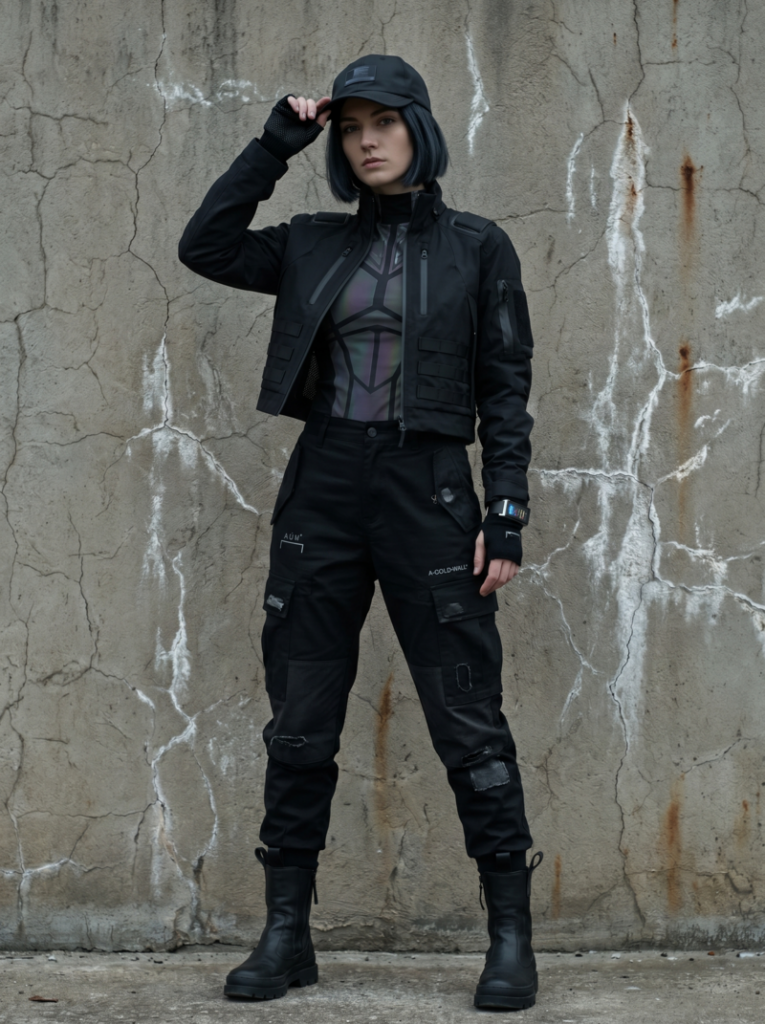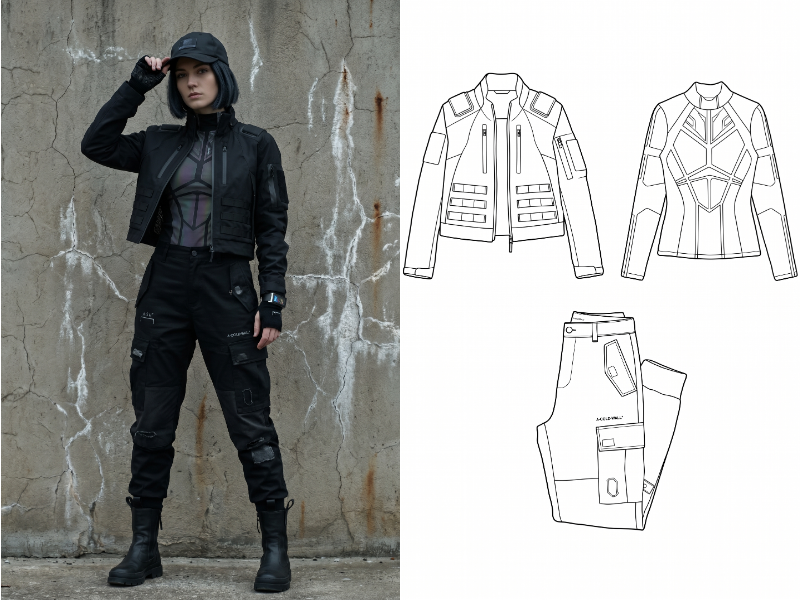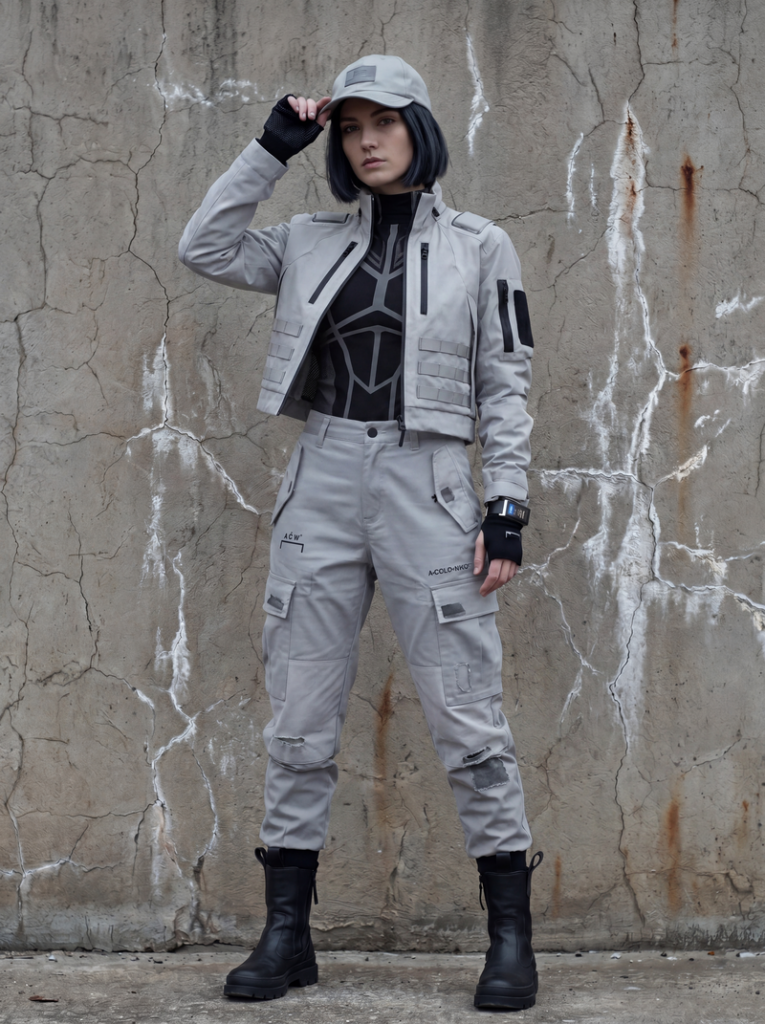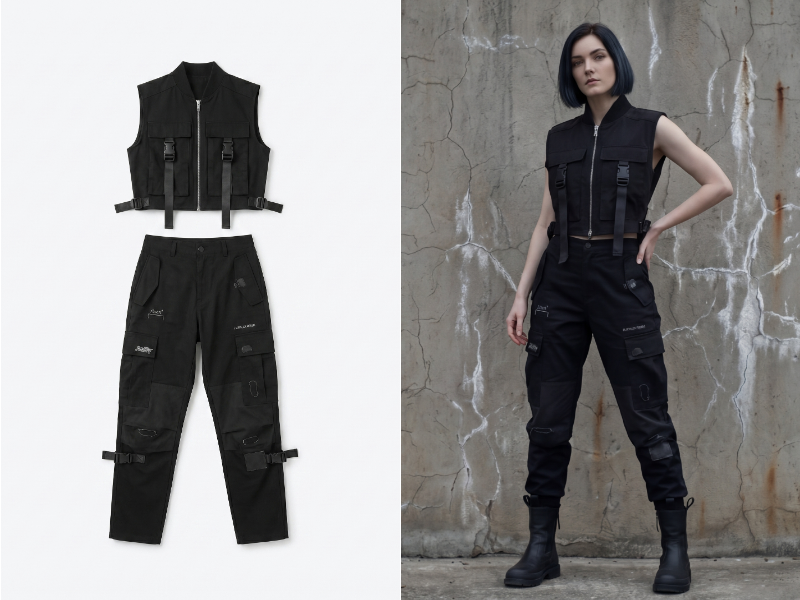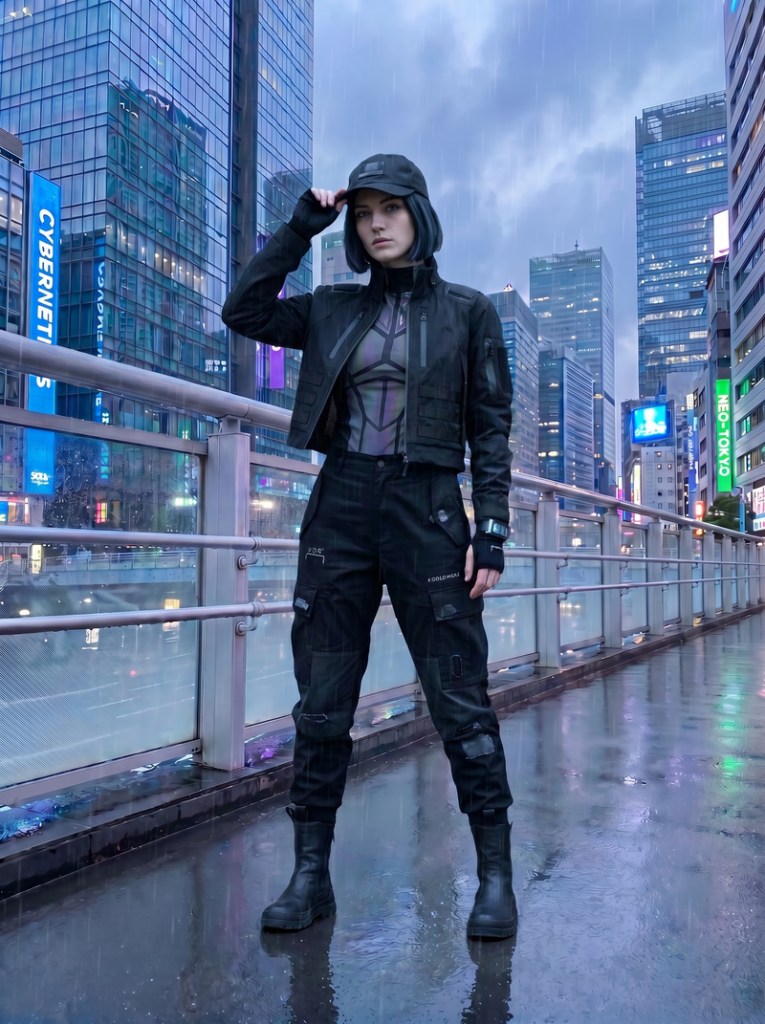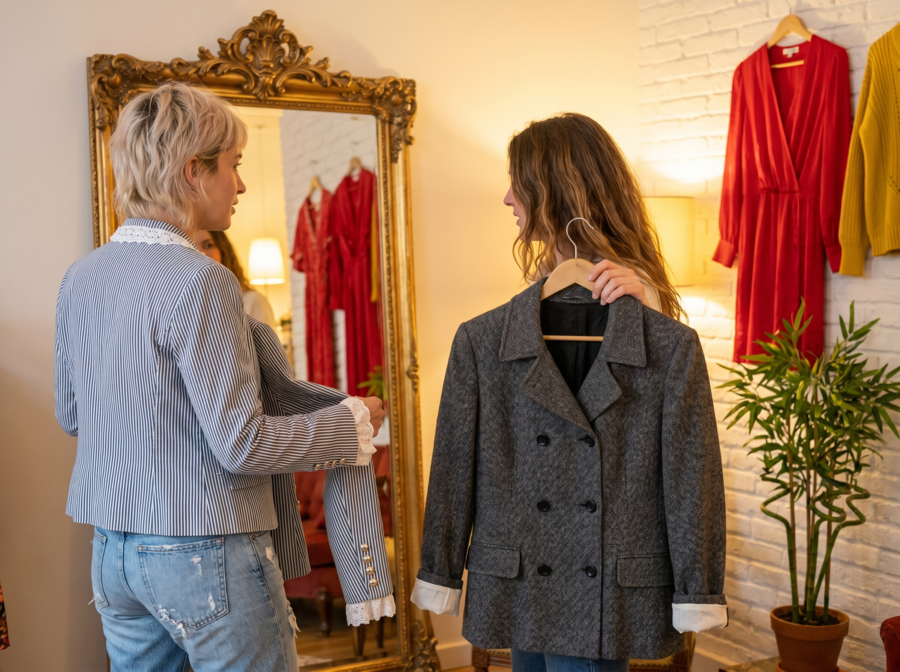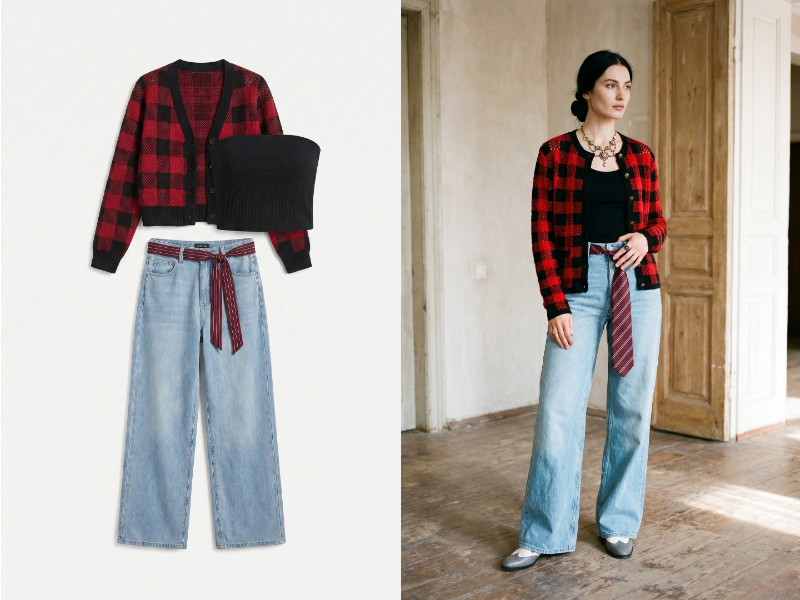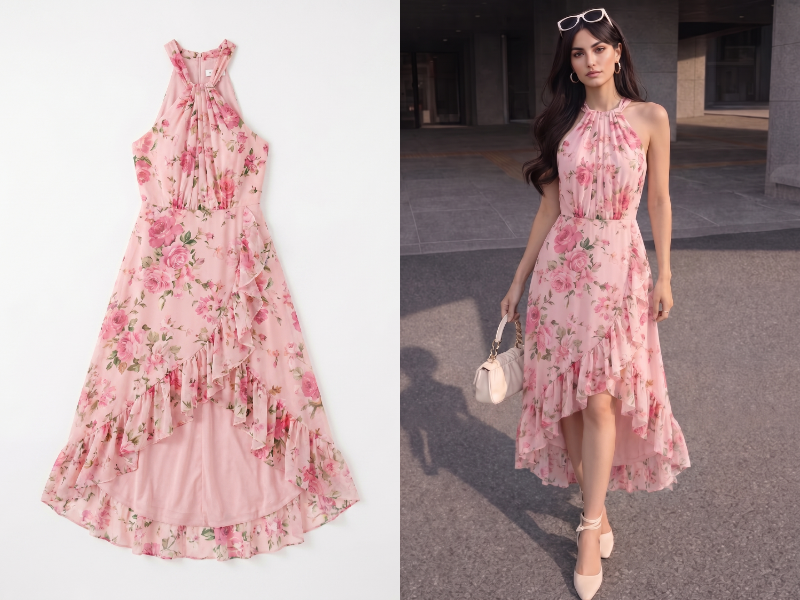
作者归档 Sophia Mille

Avatar photo 通过Sophia Mille

Fashion Designer Unveiled: Roles,Types, Examples & AI Transformation

In a world where style is both self-expression and cultural storytelling, fashion designers stand as the architects of what we wear. They turn fleeting inspirations into tangible pieces that shape trends, empower identities, and mirror the spirit of the times. Behind every garment lies a journey of research, creativity, technical precision, and adaptability.

Today, this journey is being redefined: traditional craftsmanship meets cutting-edge AI, opening new doors for both seasoned pros and self-taught visionaries.

This guide pulls back the curtain on everything you need to know about fashion designers: their roles, their specialties, the legends who shaped the industry, and how AI fashion design tool is making design more accessible, efficient, and bold than ever before.

Define Fashion Designer: What Is a Fashion Design Person

A Fashion Designer is a creative professional who conceptualizes, develops, and brings clothing and accessories to life. They are the visionaries behind the garments we wear, responsible for everything from the initial spark of inspiration to the final product hanging on a rack.

At the core of their work, fashion designers study current trends, sketch designs, select fabrics and colors, and oversee the technical process of turning those sketches into wearable items. They must balance artistic expression with practical considerations like comfort, functionality, and production costs.

Ultimately, a fashion designer is a storyteller. Through silhouettes, textures, and colors, they communicate ideas, reflect cultural shifts, and help individuals express their personal identity through style.

What Does a Fashion Designer Do

A fashion designer’s role extends far beyond sketching pretty pictures. It is a multifaceted profession that combines artistic vision with technical know-how and business acumen. The day-to-day responsibilities can vary widely depending on whether they work for a large brand, a small boutique, or as a freelancer. However, the core workflow typically encompasses the following key areas.

Research and Trend Analysis

Before a single line is drawn, fashion designers immerse themselves in research to identify inspiration and forecast future trends. This involves analyzing market data, studying consumer behavior, and observing cultural, social, and artistic movements. They attend trade shows, visit fabric suppliers, and pore over fashion publications to gather information on upcoming colors, textiles, and silhouettes. This research phase is crucial as it informs the designer’s creative direction and ensures that the final collection will resonate with the target audience.

Concept Development and Sketching

Once the research is complete, fashion designers translate their ideas into visual concepts. This begins with creating mood boards—collages of images, fabrics, and colors that establish the aesthetic theme of the collection. From there, they move on to sketching designs, either by hand or using digital tools. These sketches outline the garment’s silhouette, construction details, and overall style. During this stage, designers experiment with different combinations of materials and trims to refine their vision.

Fabric Selection and Sourcing

Selecting the right fabric is one of the most critical decisions a fashion designer makes, as it dictates how a garment looks, feels, and drapes. Designers must have an intimate knowledge of textiles, understanding the properties of different fibers (such as cotton, silk, or synthetics) and how they react to dyeing and sewing. They source swatches from suppliers, feel the texture, and test the drape to ensure it aligns with their design concept. This process often involves negotiating with vendors to balance quality with production costs.

Technical Design and Pattern Making

Turning a 2D sketch into a 3D garment requires precise technical skills. A fashion designer works closely with pattern makers to create a blueprint of the garment. They specify measurements, seam allowances, and construction techniques to ensure the garment fits correctly. Designers must be able to read and interpret technical drawings to communicate their vision accurately to the production team. This phase often involves multiple rounds of adjustments to perfect the fit and proportions.

Production Oversight and Quality Control

Once the pattern is finalized, a sample garment is created. After the sample is approved, the design moves into mass production. Fashion designers oversee this process to ensure that the final products match the sample. They work with manufacturers to establish production schedules, source bulk materials, and resolve any technical issues that arise. Designers also perform quality control checks, inspecting finished garments for defects in stitching, fabric, or color. They must ensure that the production runs efficiently while maintaining the brand’s quality standards.

Different Types of Fashion Designers

The fashion industry is a vast and varied landscape, far more complex than just the glitz of the runway. Every piece of clothing in your wardrobe, from the high-performance sneakers you wear to the office, to the couture gown on the red carpet, was conceptualized by a specialist.

Fashion designers don’t just make clothes; they solve problems, define eras, and cater to distinct lifestyles. Whether it’s creating a one-of-a-kind masterpiece for a billionaire or a $20 dress for the masses, each role requires a unique set of skills. Let’s explore different types of fashion designers.

  • Haute Couture Designers: Create one-of-a-kind, custom-fitted garments for elite clients. To qualify as haute couture, designers must meet strict criteria (e.g., a Paris atelier, minimum staff, seasonal collections) set by the French government. Examples include iconic houses like Chanel and Dior.
  • Luxury Fashion Designers: Craft high-quality, exclusive pieces using premium materials. Luxury designs balance artistry and wearability, targeting affluent consumers. Brands like Gucci and Prada fall into this category.
  • Ready-to-Wear Designers: Design mass-produced garments in standard sizes for broad audiences. These pieces are trend-driven, accessible, and showcased at major fashion weeks. Most mainstream brands (e.g., Zara, Kate Spade) focus on ready-to-wear.
  • Fast Fashion Designers: Create affordable, trend-forward garments that replicate high-end runway styles. Fast fashion prioritizes quick production and low costs, though it faces criticism for sustainability issues.
  • Sportswear Designers: Specialize in functional, stylish clothing for athletic or active lifestyles. Brands like Nike and Adidas rely on these designers to blend performance (e.g., moisture-wicking fabrics) with fashion trends.
  • Accessories/Footwear Designers: Focus on non-clothing items like bags, belts, shoes, or jewelry. Accessories are a major revenue stream for luxury brands, as they offer accessible luxury to consumers.
  • Lingerie & Loungewear Designers: Craft intimate apparel or comfortable at-home wear. The rise of remote work has boosted demand for loungewear that balances comfort and style.

8 Famous Fashion Designers and Their Work

Throughout history, certain designers have transcended the role of creator to become visionaries, shaping trends, redefining beauty standards, and leaving an indelible mark on the industry. Below are 8 iconic fashion designers and their most influential work.

1. Coco Chanel (18831971)

As a pioneer of modern women’s fashion, Coco Chanel revolutionized style by rejecting the restrictive, ornate clothing of the early 20th century. She was in favor of simplicity, comfort, and elegance. She believed fashion should empower women, not constrain them.

Fashion designer-Coco Chanel
Photo from Getty Images

Her most iconic contributions include the little black dress (LBD). It was introduced in 1926, and became a timeless staple, hailed by Vogue as “a uniform for all women of taste”. Chanel also popularized the Chanel suit: a tailored wool jacket with gold buttons and a matching skirt, paired with pearls and ballet flats, embodying understated luxury.

Additionally, she launched Chanel No. 5 in 1921, the first perfume to bear a designer’s name, which remains one of the best-selling fragrances of all time. Her legacy lies in making casual chic a global aesthetic.

2. Christian Dior (19051957)

Christian Dior revived Parisian fashion after World War II. His debut 1947 collection was called the New Look. He rejected the plain, boxy styles of the war. Instead, he celebrated femininity. His designs featured cinched waists, soft shoulders, and full skirts. Some skirts used up to 20 yards of fabric. The silhouette was glamorous and opulent.

Fashion designer-Christian Dior
Photo from Getty Images

His most famous collections include Corolle (1947), which launched the New Look, and Envol (1948), featuring flowing, ethereal gowns.

Dior expanded into accessories, cosmetics, and fragrances. Miss Dior (1947) became a classic symbol of romance. Although his career was short, his brand endures. It is a cornerstone of high fashion. New directors build on his tradition of luxury.

3. Yves Saint Laurent (19362008)

Yves Saint Laurent, once Dior’s protégé, became a trailblazer for gender-fluid fashion and cultural diversity.

Fashion designer-Yves Saint Laurent
Photo from Getty Images

In 1966, he introduced the Le Smoking tuxedo, a sleek, androgynous suit for women. It challenged traditional gender norms and redefined power dressing. Another iconic creation was the Mondrian dress (1965), a shift dress inspired by Piet Mondrian’s geometric paintings, featuring bold blocks of primary colors and black lines.

Saint Laurent also drew inspiration from global cultures. His 1967 African Collection celebrated traditional African textiles and silhouettes, while his 1971 Opium perfume (and its controversial advertising) became a cultural phenomenon. He made high fashion accessible by launching ready-to-wear lines, proving that luxury could be worn daily.

4. Gianni Versace (19461997)

Gianni Versace was synonymous with bold, glamorous, and unapologetic luxury. His designs celebrated excess, with vibrant prints, metallic fabrics, leather, and daring cuts that embodied the jet set lifestyle of the 1980s and 1990s.

Fashion designer-Gianni Versace
Photo from Getty Images

His most iconic pieces include the Medusa head logo (a symbol of power and allure), the safety-pin dress (worn by Elizabeth Hurley to the 1994 premiere of Four Weddings and a Funeral, catapulting both her and the brand to fame), and baroque-inspired prints that blended classical art with modern edge.

Versace also blurred the line between fashion and pop culture, collaborating with celebrities like Madonna and Elton John. After his tragic death, his sister Donatella Versace took over the brand, preserving his bold aesthetic while adding her own contemporary twist.

5. Karl Lagerfeld (19332019)

A prolific creative force, Karl Lagerfeld was the creative director of Chanel and Fendi for decades, and also helmed his eponymous brand. Known for his signature white ponytail, sunglasses, and black suits, Lagerfeld was a master of reinterpreting heritage brands for modern audiences.

Fashion designer-Karl Lagerfeld
Photo from Getty Images

At Chanel, he reimagined classic pieces. He turned the tweed suit into a playful, versatile staple, launched the Chanel Boy Bag (2011) to appeal to younger consumers. He also staged elaborate runway shows (e.g., a supermarket-themed show in 2014) that became cultural events.

At Fendi, he popularized the FF logo (Fendi Fendi) and revolutionized fur design by treating it as a luxury fabric for ready-to-wear. Lagerfeld’s work was defined by his ability to balance tradition and innovation, keeping iconic brands relevant for generations.

6. Alexander McQueen (19692010)

Alexander McQueen was a visionary whose designs were equal parts art, drama, and provocation. Known as the enfant terrible of fashion, he pushed boundaries with dark, theatrical runway shows and unconventional techniques.

Fashion designer-Alexander McQueen
Photo from Getty Images

His most famous creations include the Armadillo Shoes (2010), towering, sculptural heels that became a symbol of his avant-garde aesthetic. The Plato’s Atlantis collection (2010), which blended futuristic silhouettes with digital prints and was live-streamed globally, breaking new ground for fashion accessibility. The Highland Rape collection (1995), a controversial exploration of Scottish history and female vulnerability.

McQueen’s work often addressed themes of identity, mortality, and beauty, cementing his status as one of the most influential designers of the 21st century.

7. Miuccia Prada (b. 1949)

Miuccia Prada, the granddaughter of Prada’s founder, transformed the family brand from a luxury leather goods company into a leading force in high fashion. As a former political science student, her designs are defined by intellectualism, minimalism, and a rejection of overt glamour.

Fashion designer-Miuccia Prada
Photo from Getty Images

In the 1980s, she reintroduced the Prada nylon tote, a simple, utilitarian bag that became a status symbol, proving that quiet luxury could be just as desirable as flashy designs. She also launched Miu Miu (1993), a younger, more playful line that embraces retro aesthetics and feminine details.

Prada’s most iconic collections include her 1996 minimalist ready-to-wear line, which popularized neutral tones and clean lines. Her collaboration with Raf Simons (starting in 2020), blending her intellectual vision with his modern edge. She is celebrated for making fashion thoughtful, not just fashionable.

8. Stella McCartney (b. 1971)

Stella McCartney is a pioneer of sustainable fashion, proving that luxury and eco-consciousness can coexist. Since launching her eponymous brand in 2001, she has refused to use fur or leather, instead using innovative materials like recycled polyester, vegan leather, and organic cotton.

Fashion designer-Stella McCartney
Photo from Getty Images

Her most iconic designs include the Stella McCartney Falabella tote (made from recycled materials, a bestseller that combines sustainability with timeless style) and her tailored blazers and dresses, which balance femininity and edge. 

McCartney has also collaborated with brands like Adidas (launching a line of sustainable activewear) and H&M (creating a mass-market sustainable collection), making ethical fashion accessible to all.

Her work has shifted the industry’s mindset, inspiring other designers to prioritize sustainability, and she remains a vocal advocate for environmental and animal rights. Her legacy is not just in her designs, but in her mission to make fashion a force for good.

How AI Empowers Fashion Designers

Fashion designers do more than just draw. They create unique looks. They also manage production from start to finish. To succeed, they need creativity, craftsmanship, and business sense. The competition is fierce. Icons like Coco Chanel set timeless standards. They blended art with market needs. Their vision changed the industry.

Today, however, technology is reshaping the industry’s fundamentals. Artificial intelligence has emerged as a game-changing tool that amplifies designers’ core strengths.

Rather than overshadowing human creativity, AI solutions like Fashion Diffusion are re-imagining the design journey, helping designers streamline tedious processes, unlock fresh creative avenues, and keep pace with rapidly shifting consumer trends. Below is a breakdown of how AI empowers fashion designers at every stage, from initial ideation to final production.

Turn Concepts into Visuals Instantly: Text/Images to Sketches & Renderings

The initial stage of translating abstract ideas into tangible visuals often involves tedious manual revisions and fabric texture visualization challenges. Fashion Diffusion eliminates this bottleneck in seconds.

Designers can input simple text prompts (e.g., “bohemian maxi dress with lace on a beach at sunset”) or upload rough hand-drawn/digital sketches. The AI instantly converts text to structured sketches, polishes messy line art into professional illustrations, and adds realistic fabric textures (silk sheen, denim ruggedness) and color gradients.

Fashion Diffusion's AI outfit generator tool

For example, a quick blazer sketch can become a high-fidelity rendering with customizable lapels and draping in minutes—tasks that once took hours.

This accelerates concept development. Designers can iterate on 5-10 variations in the time it used to take to finalize one, and test bold fabric combinations (e.g., velvet + mesh) risk-free.

Streamline Virtual Prototyping: Cut Sample Costs & Revisions

Physical sampling is costly and time-consuming—one sample can cost hundreds, with revisions extending timelines by weeks. Fashion Diffusion’s AI virtual try-on and visualization tools replace this with flexible digital prototyping.

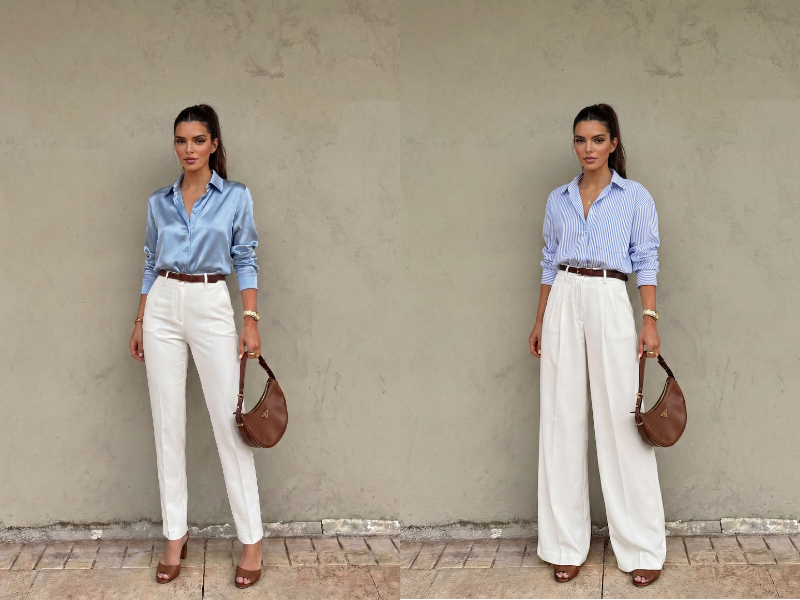
Test garments on customizable AI models (body type, skin tone, pose) or use Swap Face with uploaded images to evaluate fit across diverse silhouettes, fabric drape, and color accuracy in real time. No physical sewing required. A sportswear brand, for instance, can test 10 waistband designs and 8 fabric blends on 5 body types in a day. This reduces sample costs and validates designs early, avoiding costly late-stage rework.

Fashion Diffusion's Virtual try-on tool

Automate Repetitive Tasks: Save 35 Hours Per Design

Fashion designers waste hours on non-creative work: resizing sketches, recoloring garments, or upscaling images. Fashion Diffusion’s AI automates these tasks, freeing time for creativity.

Saving 3–5 hours per design adds up to 50+ hours for a 20-piece collection—time to brainstorm new ideas or refine existing ones.

Simplify Professional Output: No AI Expertise Needed

Technical barriers—like complex AI workflows or coding requirements—often prevent designers from leveraging advanced tools, but Fashion Diffusion breaks this mold: its intuitive interface mirrors familiar design software (e.g., Photoshop, Procreate), requiring zero coding or AI expertise while unlocking high-barrier capabilities that were once exclusive to technical teams.

Designers interact naturally: upload sketches/fabric swatches for AI adaptation, or use plain language prompts (e.g., “make the skirt flowy” or “add ivory lace neckline”).

This accessibility extends to all users: new graduates can create portfolio-worthy renderings and virtual try-ons in days, while veteran designers at brands seamlessly integrate these high-barrier tools into their existing workflows—leveraging professional-grade features without disrupting their creative process.

Getting Started as a Self-Taught Fashion Designer With Fashion Diffusion

Even as a self-taught designer, without formal training in technical drafting, fabric science, or professional rendering, you can turn creative vision into polished, production-ready work with Fashion Diffusion. No need to let skill gaps or limited access to industry tools hold you back. This platform simplifies high-barrier AI capabilities into an intuitive workflow that meets you where you are.

Start your free trial today: Upload your first idea, experiment with trend-aligned variations, and bring your designs to life—seamlessly, accessibly, and professionally.

FAQ

What does a fashion designer do?

A fashion designer creates original clothing, footwear, and accessories by researching trends, sketching concepts, selecting fabrics, and overseeing production, blending artistic vision with technical skills to develop collections for various markets, from luxury to mass retail, influencing style from initial idea to finished product.

How long does it take to become a fashion designer?

Becoming a fashion designer typically takes 2 to 4 years for formal education (Associate/Bachelor’s degree), but the full journey to a successful career, including skills development, internships, and building a portfolio, can extend to 4-5 years or more, with self-taught routes varying greatly depending on dedication, networking, and market entry. Shorter certificates (6-12 months) exist for specific skills, while Master’s degrees add 1-2 years for advanced study.

Is fashion design a good career?

Fashion design can be a rewarding, creative career with diverse opportunities, but it’s also highly competitive, demanding long hours, and often comes with lower entry-level pay and high pressure, requiring significant passion, strong skills (technical and creative), and adaptability to evolving trends and digital demands. While potential for growth and earnings exist, success hinges on perseverance and navigating stiff competition.

How can AI help fashion designers?

AI acts as a powerful collaborator that amplifies human creativity. It helps designers overcome technical barriers by instantly transforming text descriptions or rough sketches into polished visuals. AI tools like Fashion Diffusion streamline tedious tasks such as pattern drafting, fabric simulation, and colorway generation, allowing designers to iterate faster, reduce sample costs, and bring their visions to life more efficiently.

Do I need to know how to draw to use AI fashion tools?

No, advanced drawing skills are not a prerequisite. AI fashion design platforms are designed to be intuitive and accessible. Users can input ideas through simple text prompts (describing the garment, style, and fabric) or upload basic line art. The AI handles the technical rendering, making it possible for self-taught designers or those without formal illustration training to create professional-quality designs.

Avatar photo 通过Sophia Mille

High-Tech Fashion Fabrics:2026’s Most Exciting Fashion Revolution

Your clothes can cool you down, repel stains, and even adapt to your body’s needs—all thanks to high-tech fashion fabrics. This isn’t sci-fi; it’s the future of fashion, already here.

Fashion is no longer just a visual statement. It’s a fusion of technology and functionality, with high-tech fashion fabrics at the forefront of this evolution. These innovative textiles are redefining the relationship between clothing, the human body, and the environment, merging performance, sustainability, and style in ways traditional fabrics never could.

Read on to discover how these materials are reshaping fashion, enhancing daily life, and driving sustainability, and how you can virtually explore their fit using Fashion Diffusion.

What are High-Tech Fashion Fabrics

High-tech fashion fabrics are innovative textiles that move beyond traditional design aesthetics to serve as a functional bridge between the body, environment, and performance. They integrate advanced technology with practical utility to solve specific problems, such as UV protection, moisture control, temperature regulation, self-cleaning, and enhanced durability, while often incorporating adaptive features like shape-memory or biodegradability.

Types of New Fabric Materials for Clothes

  • Smart Fabrics: Integrate electronics, sensors, or LEDs to respond to environmental stimuli (such as heat or movement) or biometric data (like heart rate). Common applications include smartwatches, fitness trackers, and illuminated apparel.
  • Phase-Change Materials (PCMs): Absorb or release thermal energy to maintain a stable microclimate, providing adaptive cooling or warming effects.
  • Moisture-Wicking Synthetics: Pull sweat away from the skin’s surface to facilitate rapid evaporation, keeping the wearer dry and comfortable.
  • Nano-Engineered Fabrics: Leverage nanotechnology to enhance attributes such as breathability, water repellency, and self-cleaning capabilities.
  • Biodegradable & Bio-Based Materials: Sustainable alternatives, including pineapple leaf fiber and bulrush-based down substitutes, designed to minimize environmental impact.
  • Thermo-Reactive Fabrics: Alter their color or texture in response to temperature fluctuations, adding a dynamic visual element.

Core Advantages of High-Tech Fashion Fabrics Over Traditional Fabrics

To understand the transformative impact of high-tech fabrics, let’s compare their performance directly against conventional materials across seven critical dimensions.

DimensionShortcomings of Traditional FabricsCore Advantages of High-Tech Fabrics
FunctionalitySingle function; poor resistance to harsh weather (e.g., easy to get wet, insufficient warmth retention)Multi-functional integration; superior environmental adaptability and body microclimate regulation
DurabilityProne to wear, tearing and deformation; fragile (e.g., delicate silk, easily damaged linen)Exceptional physical strength; wear-resistant, tear-resistant, and shape-retaining; longer service life
Ease of CareRequires special care (e.g., dry cleaning); easy to wrinkle; slow dryingLow maintenance cost; easy to care for; adapts to fast-paced lifestyles
ComfortPoor elasticity; heavy (e.g., thick wool is warm but bulky)Ergonomic fit; lightweight without compromising performance
Hygiene & HealthAbsorbs sweat easily; breeds bacteria and causes unpleasant odors; may trigger skin allergies (e.g., raw wool)Active antibacterial and odor-resistant; hypoallergenic; reduces washing frequency
Aesthetics & DesignTextures and silhouettes are limited by natural fiber properties; drape and shape are predictableBreaks through the limitations of natural fibers; enables innovative visual effects and structural designs
SustainabilityHigh resource consumption (e.g., cotton farming uses massive water) and severe pollution (e.g., traditional dyeing)Supports circular economy; achieves clean production; reduces environmental impact

A Fresh Look at 2026 Fabric Trends

With a valuation of USD 255.12 billion in 2025 and a projected increase to USD 271.83 billion in 2026, the global technical fabrics market is clearly in a phase of significant expansion.

This growth is underpinned by rapid innovation and strong governmental backing, reflecting a global shift towards apparel that is both stylish and technologically advanced, as high-tech fabrics become integral to modern fashion.

For 2026, three key trends are set to shape the landscape of technical textiles, blending functionality, sustainability, and sophistication in ways that feel both visionary and wearable.

Smart Fabrics Rise: From Passive to Active

Smart fabrics are textiles designed to sense environmental stimuli, such as thermal, chemical, or mechanical changes, and respond automatically. Encompassing e-textiles with integrated computing elements, these advanced materials can alter their shape, regulate temperature, and are deployed in diverse fields from sportswear to medical apparel.

Unlike passive textiles, which rely solely on their physical structure, active smart fabrics utilize electricity to power sensors and actuators. These electronic components enable the fabric to detect touch and temperature, while also processing vast amounts of environmental data. As such, they form the technological backbone of modern smart textile development.

Specific smart fabrics and their functionality:

  • E-textiles: Integrated computing elements, sensors, and actuators woven into the fabric.
  • Conductive Threads (e.g., Silver-plated Nylon): Transmit electrical signals to power sensors and processing units.
  • Shape-memory Alloys/Polymers: Alter physical shape or structure in response to thermal or electrical stimuli.
  • Phase Change Materials: Absorb, store, and release heat to regulate body temperature automatically.

Sustainability as the New Standard

With the EU enforcing extended producer responsibility and strict eco-design rules, the fashion industry is entering a new era of accountability. By 2026, using eco-friendly fabrics and meeting rigorous sustainability criteria will no longer be optional, but a critical standard for market access.

Many brands are leading the way in sustainable fashion, with Patagonia, Eileen Fisher, and Afends consistently recognized for their use of eco-friendly materials, ethical production, and circularity programs. 

Gucci is committed to seamlessly integrating sustainability with superior technical performance to ensure the final product meets the exacting standards expected of a luxury house. Under this commitment, Gucci has been sourcing scientifically traceable cotton and silk made through regenerative and organic practices.

GUCCI- sustainability
Image source from GUCCI_Equilibrium_2024impactreport

Designing for Wearable Sophistication

Beyond functionality and sustainability, 2026’s technical fabric trends are increasingly leaning into wearable sophistication. 

No longer confined to niche sport or medical scenarios, high-tech fabrics are now being re-imagined through a design lens that prioritizes wearability, texture, and visual harmony, making cutting-edge technology accessible to everyday luxury and contemporary fashion segments.

The fusion of high-tech and aesthetics is giving birth to Futuristic Elegance, a vision of tomorrow that is clean, polished, and purposeful, rejecting the cluttered, theatrical style often linked to cyberpunk.

FD-futuristic elegance
Fashion Diffusion AI-generated

Supported High-Tech Fabrics:

  • Liquid Metal & Metallic Coated Fabrics
  • Smart Thermo-Regulation & PCM Fabrics
  • Bio-Based Super Leather
  • 3D Printing & Additive Manufacturing
  • Photochromic & Electrochromic Fabrics
  • Supercritical Fluid Dyed Fabrics

Scenario-Adapted Recommendations for Men High-Tech Fashion Fabrics

The core design of men’s high-tech fashion fabrics lies in matching advanced materials with daily lifestyle needs. Grasping key demand scenarios (e.g., business commuting, outdoor adventure, and sports fitness) is essential for selecting fabrics that balance functionality, comfort, and style. Below is a concise breakdown of scenario-specific fabric recommendations and brand cases to highlight their practical value.   

Business: Wrinkle-Resistant & Breathable Suit Fabrics

For business commuting, a polished look and all-day comfort are essential. That’s why high-tech suit fabrics, which are lightweight, breathable, and wrinkle-resistant, are the perfect choice. Usually blending modified synthetics (like polyester or polyamide) with natural fibers (such as wool or cotton), these materials stay crisp without constant ironing. Plus, their breathability improves airflow, keeping you cool and comfortable whether you’re in the office or on the move.

FD-men business scenario
Fashion Diffusion AI-generated

Outdoor Adventure: Waterproof & Protective Fabrics

Outdoor adventures expose men to unpredictable weather and harsh environments, requiring protective functional fabrics with waterproof, moisture-wicking, UV-protective, and antibacterial properties. Achieved via membrane lamination or hydrophobic treatments, waterproof and moisture-wicking features repel rain and wick sweat to keep the body dry. UV protection (via fiber additives/coatings) blocks UVA/UVB rays, while antibacterial treatments inhibit sweat-induced bacteria and odors, ensuring hygiene during long outdoor activities.

FD-men outdoor scenario
Fashion Diffusion AI-generated

For outdoor enthusiasts, The North Face leverages GORE-TEX, a premium waterproof and breathable membrane fabric, in its men’s outdoor jackets. This advanced fabric effectively repels rain and wind while wicking away sweat, rendering the jackets ideal for hiking, camping, and other outdoor adventures where weather protection is paramount.

Sports Fitness: Stretchable & Quick-Drying Fabrics

Sports and fitness demand fabrics that enable free movement while effectively managing sweat. High-performance options like four-way stretch polyester, moisture-wicking mesh, and quick-drying recycled nylon stand out. Four-way stretch (infused with spandex or via warp-knit technology) allows unrestricted motion for running, gym sessions, or yoga. These fabrics use capillary action to draw sweat away from the skin to the surface for rapid evaporation, keeping the body dry and cool. Premium picks often integrate cooling fabrics such as Coolcore, enhancing comfort during intense workouts.

FD-men sports scenario
Fashion Diffusion AI-generated

In the sports and fitness realm, Lululemon’s men’s activewear features Nulu™ fabric, a high-tech material known for its buttery softness, stretchability, and moisture-wicking capabilities. This fabric supports a full range of motion during workouts like running, gym training, or yoga, while efficiently wicking away sweat to keep the body dry, elevating the overall fitness experience.

How to Source High-Tech Fashion Fabrics Online

The digital era has drastically simplified the sourcing process for high-tech fashion fabrics, enabling designers, brands, and even hobbyists to access cutting-edge textiles from across the globe without stepping out of their studios.

However, the convenience of online sourcing comes with its own challenges, from verifying the authenticity of performance claims to ensuring the fabric aligns with design needs. To navigate this landscape successfully, a strategic approach that combines rigorous evaluation, smart tool usage, and targeted channel selection is essential.

1. Core Evaluation Dimensions for High-Tech Fashion Fabrics

Successful online sourcing hinges on a data-driven due diligence process. To cut through marketing hype, focus on three critical pillars: Quantifiable Performance Metrics, Authoritative Certifications, and Contextual User Feedback.

Prioritize Quantifiable Performance Metrics

Reject vague descriptors like “breathable” or “stretchy”. Insist on objective technical specifications that correlate directly with end-use functionality:

  • Stretch Recovery Rate: A benchmark for activewear; target >90% to ensure garments maintain their shape.

Verify Authoritative Certifications

Credentials are only valuable if they are verifiable. Reputable suppliers will provide access to third-party lab reports. Key standards to verify include:

  • OEKO-TEX® Standard 100: Confirms the absence of harmful substances (check for Class I, II, III, or IV classification).

Tip: Always cross-reference the certificate number with the issuing body’s database to ensure authenticity.

Conduct Contextual User Review Analysis

Look beyond the star rating. Scrutinize 1-3 star reviews to identify recurring issues such as color fading, pilling, or inconsistent yardage. For B2B purchases, request test swatches to conduct your own tactile and shrinkage tests.

1-3 star reviews

2. AI Tools: Visualize Fabric Before Purchase

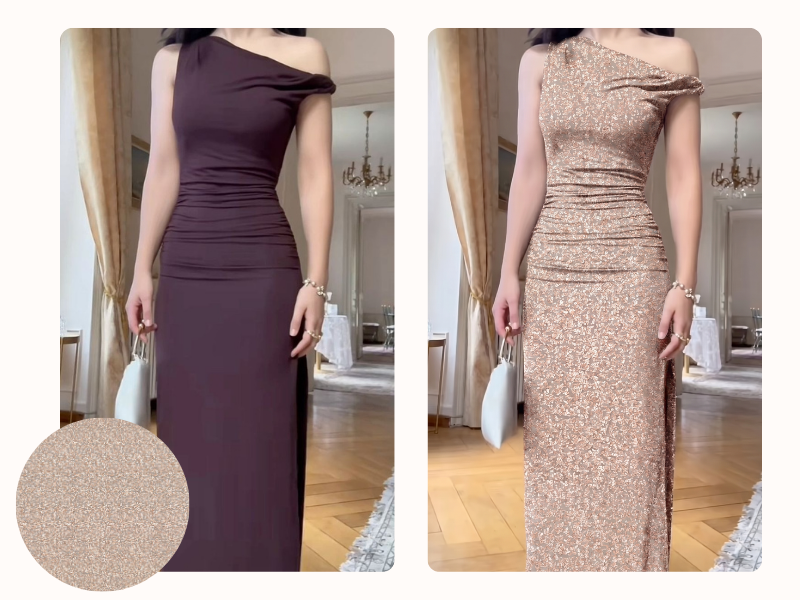
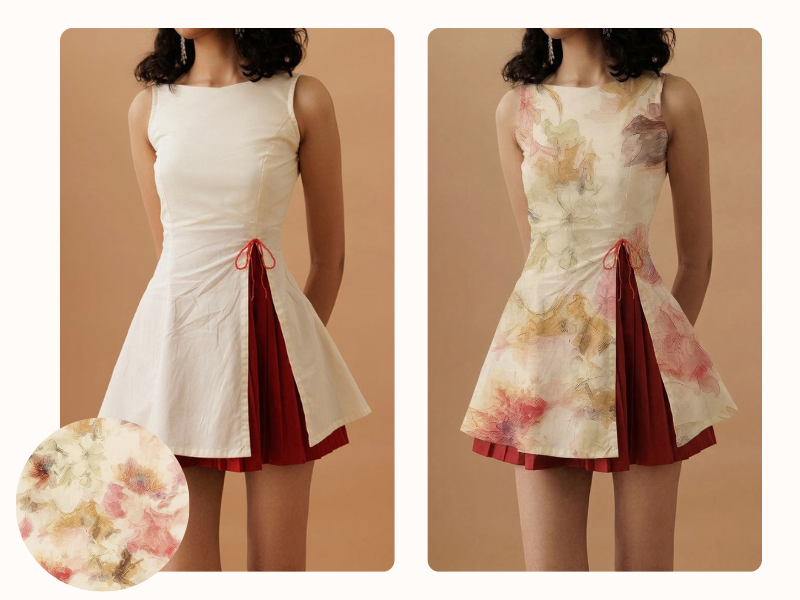
Online fabric sourcing often leaves designers guessing—will that technical fabric’s texture, pattern, or drape translate to the finished garment? AI visualization tools solve this pain point by letting you test fabrics digitally, and Fashion Diffusion stands out as a top choice, thanks to its standout fabric-focused function, Apply Fabric.

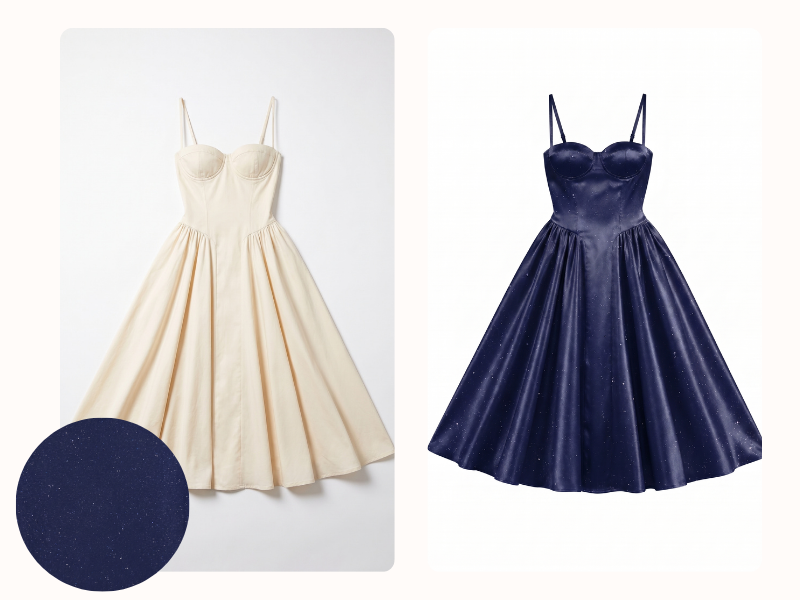
Apply Fabric is a dedicated tool to preview high-tech fabrics (e.g., waterproof membranes, recycled performance knits) on your desired garment silhouette. It turns flat fabric swatches into realistic, customizable previews, helping you avoid mismatched expectations.

How to Use Apply Fabric (4 Simple Steps):

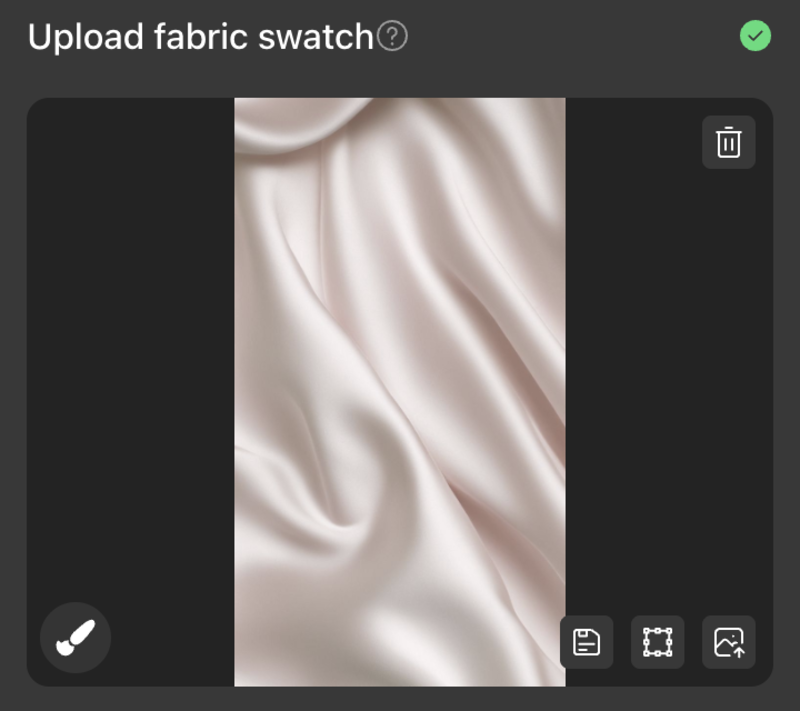
Upload your fabric swatch: Supports JPG/PNG files (up to 30MB), ideal for testing technical textiles like stretch knits or textured synthetics.

Apply fabric-upload fabric swatch

Add a style image: Upload a garment sketch, silhouette photo, or reference design (e.g., a jacket outline, activewear mockup).

Apply fabric-upload style image

Tweak custom settings:

  • Pattern type: Choose “Repeatable” (for prints) or “Non-repeatable” (for unique textures).
  • Scale (20–100): Adjust how the fabric’s pattern/texture appears (e.g., shrink a bold print or enlarge a subtle weave).
  • Opacity (40–100): Perfect for sheer technical fabrics (e.g., lightweight breathable layers) or layered designs.
  • Rotation (-30–30°): Align patterns (e.g., stripes, geometric tech prints) with your garment’s lines.

Generate & preview: Click Generate to see your fabric applied seamlessly to the design.

Apply fabric-generate and preview
Fashion Diffusion AI-generated

Key Advantages for High-Tech Fabric Sourcing:

  • Eliminates guesswork: Visualize drape, texture, and technical details such as a fabric’s water-resistant sheen before making a purchase. This is critical for performance textiles where function and design go hand in hand.
  • Saves time and resources: Reduce the need for sample orders by testing multiple fabrics digitally upfront.
  • User-friendly: No advanced skills are needed, making it suitable for brands, independent designers, and hobbyists alike.

3. Reliable Online Channels for High-Tech Fashion Fabrics

Not all online marketplaces are created equal. For high-tech textiles, you need channels that cater to technical specifications and B2B transactions.

Specialized B2B Tech Fabric Marketplaces

These platforms are curated for performance textiles and often have strict supplier verification processes.

  • Thomasnet: A goldmine for industrial and technical fabrics. It allows you to filter suppliers by material composition (e.g., “Gore-Tex”, “Spandex”, “Carbon Fiber”) and request quotes directly.
  • Alibaba: While vast, it requires careful vetting. Look for the Trade Assurance badge and suppliers with a high On-Time Delivery rate. Focus on suppliers specializing in Functional Fabrics or Activewear Materials.
  • Fashion Snoops: Although primarily a trend service, it offers direct links to verified mills producing cutting-edge textiles.

Direct-to-Consumer (DTC) Tech Fabric Retailers

Ideal for small-batch designers or hobbyists who need yardage rather than container loads.

  • Spandex House (NYC): A staple for performance fabrics, offering a wide range of activewear knits, neoprene, and technical shells.
  • Minerva Crafts (UK/EU): Known for its extensive range of high-quality fabrics, including sustainable tech options like recycled polyester and waterproof membranes.
  • Stoff & Stil (Scandinavia): A great source for European-designed technical fabrics with a focus on sustainability and outdoor performance.

Brand Direct Sourcing

Many major performance brands now sell their signature fabrics directly to designers.

  • Invista: The inventors of Lycra offer a Fabric Finder tool to locate authorized mills producing their technologies.
  • Schoeller Textiles: A leader in innovative fabrics (e.g., 3XDRY, Coldblack). Their website provides a list of distributors worldwide.

Key Takeaway

Always start with a small sample order (1-5 yards) regardless of the channel. This allows you to conduct physical tests (burn tests for fiber content, wash tests for durability) before scaling up.

Unlock the Full Potential of High-Tech Fashion Fabrics With Fashion Diffusion

The era of passive clothing is over. 2026 is the year where your wardrobe becomes an extension of your lifestyle, that is smart, sustainable, and seamlessly functional. From the boardroom to the backcountry, high-tech fabrics are not just an upgrade; they are a revolution in how we experience fashion.

But why imagine the possibilities when you can see them firsthand?

Don’t let the limitations of traditional sourcing hold back your innovation. Unlock the potential of these cutting-edge materials and bring your most ambitious designs to life. Use Fashion Diffusion to visualize the future of fabric today.

FAQ

What are high-tech fabrics?

High-tech fabrics are engineered textiles designed for specific functions beyond aesthetics, offering properties like moisture-wicking, waterproofing, durability, temperature regulation, and even embedded electronics, using advanced technologies such as nanotechnology and biotechnology for applications in sports, healthcare, workwear, and aerospace.

What is a fashion fabric?

A fashion fabric is the primary material used for the visible, outer part of a garment, chosen for its look, feel, and how it drapes, stretches, or holds shape to achieve a specific design, distinguishing it from linings or interfacing, and it encompasses everything from everyday cotton to luxury silks, tailored to current trends or timeless styles.

What is the fabric trend in 2026?

The fabric trends for 2026 blend sustainability with luxurious textures and bold statements, emphasizing eco-friendly materials (organic cotton, hemp, recycled fibers) and innovative tech fabrics alongside tactile options like velvet, bouclé, and fuzzy furs, plus a return to bold prints, sheer fabrics, and metallics, all focused on feeling, function, and future-forward design for both fashion and interiors.

Are high-tech fabrics more expensive than regular fabrics?

Generally, yes. High-tech fabrics often require advanced manufacturing processes, specialized materials, or research and development, which can increase costs, though prices vary based on the technology and application.

Avatar photo 通过Sophia Mille

Sci-Fi Outfit: How Futuristic Fashion Moves from Costumes to Real-World Style

Sci-fi outfits used to be confined to movies and games, with metallic fabrics and sharp silhouettes that felt more fantasy than fashion. Today, they increasingly influence everyday style, driven by pop culture and AI fashion design tools. AI lets designers experiment with futuristic concepts, turning bold sci-fi ideas into wearable fashion and reshaping how we imagine the future of style.

What is Sci-Fi Outfit?

A sci-fi outfit is a fashion style inspired by science fiction, where imagination, technology, and futuristic aesthetics come together. Instead of referencing the past, it looks ahead—drawing ideas from space exploration, artificial intelligence, and digital worlds. This is why many sci fi costumes and science fiction costume ideas feel bold, experimental, and visually striking.

Today, sci-fi fashion goes beyond costumes. Elements once seen only in science fiction costumes female collections or on movie sets are now adapted into wearable designs. From sculptural jackets to futuristic science fiction dresses, modern sci-fi outfits balance concept and practicality, turning fantasy into fashion.

Key features of a Sci-Fi Outfit

Sci-fi outfits are defined by a fusion of innovative materials like metallic and smart fabrics, sleek or angular silhouettes, and bold monochromatic or neon color palettes that convey a high-tech, futuristic aesthetic.

  • Futuristic Silhouettes: Structure shapes, sharp lines, asymmetry, and exaggerated proportions
  • Tech-Inspired Materials: Metallic fabrics, PVC, leather, reflective or high-shine finishes
  • Bold Color Palettes: Silver, black, white, chrome tones, and occasional neon accents
  • Functional Details: Zippers, harnesses, modular pieces, and utility-style elements
  • Digital or AI aesthetics: Clean, almost unreal visuals inspired by virtual humans and technology

Designing Sci-Fi Outfits with AI Fashion Design Tools

Designing sci-fi outfits often involves imagining silhouettes, materials, and aesthetics that don’t yet exist. Traditional design tools can make it difficult to visualize these futuristic ideas, especially in the early concept stage. This is where AI fashion design tools offer a faster and more flexible way to explore sci-fi outfit concepts.

Fashion Diffusion, in particular, is built with fashion logic in mind. Rather than generating random visuals, it understands garments, proportions, and styling, allowing designers to translate science fiction ideas into wearable designs more efficiently and with less technical effort.

Through text-based prompts, sketches, and visual refinement, designers can quickly experiment with futuristic silhouettes, materials, and color palettes. This makes it easier to test sci-fi outfit ideas for both menswear and womenswear without long production cycles.

In addition, features like style fusion and virtual try-on help creators compare different directions and present designs on diverse virtual models. These tools are especially useful for visualizing how sci-fi outfits might look across genders, body types, and editorial scenarios—making AI a practical companion for futuristic fashion design.

Sci Fi Outfit Ideas

Sci-fi fashion goes far beyond movie costumes—it’s a design language shaped by technology, imagination, and future lifestyles. From cyberpunk streetwear to futuristic armor and space-inspired elegance, different sci-fi styles offer unique visions of what people might wear in tomorrow’s worlds.

In this section, we explore a selection of men’s and women’s sci-fi outfits, each highlighting a distinct aesthetic and approach to futuristic fashion.

Sci Fi Outfit for Women

These womenswear looks explore elegance, power, and fantasy through a futuristic lens. From space nobility to cyber heroines, each outfit blends strength with dramatic style.

Space Aristocracy Sci-Fi

This is what you wear to a gala on a luxury space station—minimal yet striking.

Space Aristocracy Sci-Fi
Fashion Diffusion AI-generated

Key Features:

  • Fabric: Mirror-finish metallic satin that reflects light like a spacecraft hull
  • Design: Asymmetrical one-shoulder cut with sharp, wing-like shoulders for an alien diplomat presence
  • Details: Cut-outs and transparent panels balance elegance with avant-garde futurism

Cyberpunk Superhero Sci-Fi

A battle-ready look for a hero fighting rogue AI by day—and dominating the runway by night.

Cyberpunk Superhero Sci-Fi
Fashion Diffusion AI-generated

Key Features:

  • Prints: Neon-lit circuit patterns that suggest a suit powered by advanced technology
  • Silhouette: Metallic bodysuit paired with thigh-high boots and a floor-length cape for maximum drama
  • Accessories: Utility belt with modular tech elements, reinforcing a mission-ready aesthetic

Post-Apocalyptic Cool Girl Sci-Fi

Built for navigating graffiti-covered ruins without sacrificing style.

Post-Apocalyptic Cool Girl Sci-Fi
Fashion Diffusion AI-generated

Key Features:

  • Color palette: Low-saturation olive green for both camouflage and fashion appeal
  • Layering: Oversized hooded jacket over a cropped leather vest, blending protection with edge
  • Details: Adjustable drawstrings at sleeves and waist, plus chunky combat boots designed for broken concrete terrain

Regal Tactical Sci-Fi

This look feels like a uniform for high-ranking officials in a controlled future society.

Regal Tactical Sci-Fi
Fashion Diffusion AI-generated

Key Features:

  • Materials: Crisp white satin contrasted with black leather accents to convey authority
  • Structure: Sharp shoulder pads, metal buttons, and an asymmetrical hemline that reads both uniform and eveningwear
  • Highlight: Thigh holster straps subtly signal power—and danger

Mecha × Club Sci-Fi

Perfect for a cyborg bounty hunter heading straight from a mission to a neon-lit club.

Mecha × Club Sci-Fi
Fashion Diffusion AI-generated

Key Features:

  • Materials: Black leather paired with silver armor panels for protection and allure
  • Accents: Hot pink piping that pops against the dark base, like a custom cyber upgrade
  • Details: Complex buckle systems and chest cut-outs balance toughness with femininity

Luxury Desert Futurism

This outfit belongs to a traveler from a gold-rich alien planet—opulent yet practical.

Luxury Desert Futurism
Fashion Diffusion AI-generated

Key Features:

  • Color: Monochrome gold that shimmers like shifting desert sands under twin suns
  • Pieces: Oversized satin trench coat, wide-leg linen trousers, and an armor-inspired metallic top
  • Accessories: Hooded helmet that adds mystery while suggesting protection against harsh alien atmospheres

Sci Fi Outfit for Men

These menswear looks lean into strength, utility, and world-building. Think futuristic warriors, cyberpunk survivors, and post-apocalyptic explorers—designed for harsh environments, whether real or imagined.

High-Fashion Futurism

This look feels like a collision between sci-fi cinema and luxury runway design—a cyber warrior made couture.

High-Fashion Futurism
Fashion Diffusion AI-generated

Key Features:

  • Color & fabric: Muted industrial tones (navy and olive green) paired with glossy, water-resistant materials, ready for a dystopian downpour
  • Silhouette: Oversized, structured jacket with geometric paneling, reminiscent of space mission armor
  • Details: Subtle neon piping adds a futuristic glow without overpowering the look; relaxed utility pants balance form and function, perfect for carrying future-ready gear

Urban Dystopian Sci-Fi

If cyberpunk had a daily uniform, this would be it—gritty, functional, and unmistakably cool.

Urban Dystopian Sci-Fi
Fashion Diffusion AI-generated

Key Features:

  • Base material: Reworked denim combined with tactical straps, zippers, and multi-use pockets—because storage equals survival in the future
  • Graphics: Industrial-style prints that resemble fictional corporate logos, instantly creating a cyberpunk narrative
  • Layering: Cropped jacket paired with a utility waist bag, boosting both style and practical storage for essential tech

Futuristic Casual Sci-Fi

A perfect hybrid of comfort and intimidation—like a puffer jacket fused with robotic exoskeleton design.

Futuristic Casual Sci-Fi
Fashion Diffusion AI-generated

Key Features:

  • Prints: Glowing circuit-board patterns that look powered by an internal energy core
  • Shape: Padded, voluminous silhouette, built for frozen space outposts or hostile climates
  • Bottoms: Matching wide-leg pants with buckle details, creating a tactical-yet-relaxed sci-fi vibe

Eastern Sci-Fi Fantasy

This look imagines a traditional martial hero transported into a cybernetic future city.

Eastern Sci-Fi Fantasy
Fashion Diffusion AI-generated

Key Features:

  • Cultural base: Flowing robe silhouettes inspired by classic wuxia aesthetics
  • Futuristic upgrades: LED-lit swords, armored shoulder pieces, and tech-embroidered patterns combining dragons with circuit motifs
  • Accessories: High-tech conical hat with veil, balancing mystery, tradition, and sci-fi innovation

Wasteland Survivor Sci-Fi

Designed for those who look stylish even after surviving an interstellar war.

Wasteland Survivor Sci-Fi
Fashion Diffusion AI-generated

Key Features:

  • Materials: Heavy-duty canvas and leather built for extreme conditions and visual impact
  • Details: Chains and asymmetrical cuts, as if assembled from salvaged spaceship parts
  • Silhouette: Slim leather pants paired with an oversized jacket, combining mobility with visual dominance

How does sci-fi outfit change from costume to fashion

In the past, most sci fi costumes were designed to be visually dramatic rather than wearable. They appeared in films, stage performances, or themed events, where exaggerated silhouettes and heavy materials help create a strong sci-fi atmosphere. These science fiction costumes ideas focused more on storytelling than comfort or practicality.

As sci-fi aesthetics entered mainstream fashion, designers began simplifying these elements. Oversized armor turned into structured jackets, and futuristic bodysuits evolved into sleek science fiction dresses suitable for everyday wear. This shift made sci fi ideas more accessible, allowing people to incorporate futuristic details without looking like they were in costume.

Celebrities played a key role in this transaction. Red carpet looks and fashion editorials helped redefined sci fi outfit female and sci fi outfit male styles as bold yet wearable fashion statements. Once limited to film sets, sci-fi fashion is now seen on runways, social media, and even street—proving that futuristic design can exist beyond costumes.

The Future Trend of Sci-Fi Outfits

The future of sci-fi outfits is moving far beyond costumes and themed fashion. As technology becomes more embedded in daily life, sci-fi aesthetics are starting to feel less fictional and more realistic. What once looked experimental is now influencing silhouettes, materials, and styling choices in mainstream fashion.

One major trend is the rise of digital-first fashion. Designers are creating sci fi outfit ideas that are meant to exist online before they exist physically. Virtual runways, digital avatars, and AI-generated visuals are making science fiction dresses and futuristic looks easier to explore without the limits of production or cost.

Another shift is how gender is expressed in sci-fi fashion. The line between sci fi outfit female and sci fi outfit male continues to blur, with more unisex silhouettes, modular designs, and shared visual language. Instead of focusing on gender, future sci fi costumes emphasize function, form, and concept.

Sustainability and efficiency will also shape the next wave of sci-fi fashion. AI-powered tools help designers test science fiction costumes ideas digitally, reducing waste and unnecessary sampling. In this sense, the future of sci-fi fashion isn’t just about how it looks—but how it’s designed.

Designing the Future of Sci-Fi Outfits

Sci-fi fashion is no longer just about bold visuals or futuristic costumes—it’s about ideas. From sci fi outfits inspired by film and pop culture to wearable designs shaped by technology, sci-fi style shows how fashion can move from imagination to reality. This shift from concept to visual storytelling is redefining how we design, experience, and share fashion.

With Fashion Diffusion, turning sci fi outfit ideas into clear, compelling visuals has never been more accessible. Whether you’re exploring a science fiction dress, experimenting with sci fi outfit female or sci fi outfit male concepts, or simply testing creative directions, AI opens up new possibilities. The future of sci-fi fashion isn’t coming—it’s already being designed, and now anyone can be part of it.

FAQ

What is sci-fi fashion called?

Futuristic fashion is often called “techwear,” “cyber fashion,” or “sci-fi style.” Avant-garde designs, synthetic materials, and a fusion of high-tech functionality with striking visual aesthetics characterize it.

What makes an outfit sci-fi?

Here are some things that really stand out: Shiny stuff: Clothes made with silver, holograms, or shiny plastic materials. One-color or super bright looks: All black, all white, or colors that glow like green or blue. Cool shapes: Big shoulders, capes, or outfits that move in fun ways.

Avatar photo 通过Sophia Mille

AI Model Swap:What It Is and How It’s Changing Digital Fashion

Scrolling through an online store today, you might notice something interesting: the same outfit shown on different models or styles. Yet, there are no obvious signs of multiple photoshoots. This effect comes from AI model swap, a technology quietly changing how fashion visuals are created and scaled online.

In this article, we’ll explain how AI model swap works, how it works with Fashion Diffusion, and why it’s becoming a must-have tool in modern fashion workflows.
What is AI Model Swap?

AI model swap is a technology that uses AI to replace the human model in an image. The product itself stays the same. Clothing, accessories, pose, and lighting remain unchanged—only the model is swapped. It’s part of a broader trend called AI Virtual Models. Digital models can be generated, customized, and reused across multiple visuals.

With AI model swap, brands and creators can reuse a single product image and instantly show it on different models. No new photoshoots or rebuilt assets are needed.

Unlike basic image editing or face swap tools, AI model swap works on the entire model. The AI understands body structure, proportions, and how garments fit different silhouettes.

In fashion and e-commerce, this makes it possible to showcase the same item across diverse body types, styles, and markets. The process is faster, more scalable, and far more efficient than traditional workflows.
How AI Model Swap works?

At first glance, AI model swap might seem like magic. However, behind the scenes, it follows a clear process to keep clothing realistic while seamlessly changing the model.

The workflow typically looks like this:

  1. Image analysis: The AI scans the original image to identify key elements. It separates the model, pose, clothing, and background.
  1. Garment preservation: Clothing details—fabric texture, folds, shadows, and proportions—are carefully kept. This ensures the item stays true to the original design.
  1. Model replacement: A new model is introduced. The AI adjusts body shape, skin tone, and posture, making sure the garment fits naturally on the new silhouette.
  1. Final blending: Lighting, perspective, and edges are refined. The swapped model looks like part of the original photo, not an obvious AI edit.

    Where Can AI Model Swap be Used?

    AI model swap is already used across different stages of fashion and creative workflows. From product pages to global marketing campaigns, it helps brands scale visuals faster and more flexibly.
    Common use cases include:

    • Fashion e-commerce: Show the same product on different models without reshooting. This makes it easier to highlight fit, styling, and versatility across collections.
    • Digital marketing and advertising: Quickly generate multiple visual versions of the same campaign, tailored for different audiences, platforms, or regions.
    • Localization and inclusivity: Adapt one product image to reflect different body types, skin tones, or cultural preferences. This makes visuals more relevant in global markets.
    • Creative content and virtual styling: Experiment with looks, concepts, and styling ideas faster, without being limited by traditional production cycles.

    The Advantages and Limitations of AI Model Swap

    AI model swap is changing how fashion brands create and scale visual content. By digitally placing the same garment on different models, brands can produce flexible visuals without the time, cost, and logistics of traditional photoshoots. Like any technology, it comes with both advantages and limitations worth understanding.

    Advantages

    • Higher efficiency: One product image can be reused to create multiple model variations. This cuts down photoshoot time, costs, and production cycles.
    • More creative flexibility: Showing the same item on different body types, skin tones, or styling directions helps shoppers imagine how it might look in real life.
    • Better global reach: Brands can localize visuals for different markets without coordinating models and shoots across multiple regions.
    • Faster testing and iteration: Different looks and visual styles can be tested quickly, making it easier to see what resonates and optimize campaigns.

    Limitations

    • Image and Garment Constraints: Results depend heavily on image quality and garment complexity. Certain fabrics, details, or lighting conditions can still be challenging for AI to reproduce perfectly.
    • Ethical and transparency concerns: As AI-generated visuals become more realistic, brands need to clearly disclose their use and avoid misleading representations.
    • Limited human expression: While AI can replicate appearance, it may still fall short when it comes to subtle emotion, movement, or styling nuances that human models naturally bring.

    How to do AI Model Swap with Fashion Diffusion?

    In today’s digital world, high-quality visuals are key for brands looking to grab attention. Traditional photoshoots? They take time, money, and lots of coordination.

    That’s where AI model swap comes in. It lets you showcase the same piece of clothing on different models, poses, and styles with just a few clicks. Stunning visuals—without the usual hassle.

    Fashion Diffusion offers two powerful features for AI model swap: Swap Face and Virtual Try-On. Whether you want to showcase diversity or quickly generate multiple visuals for your online store, these tools have you covered.

    Swap Face

    Swap Face lets you replace the face of the model in your clothing image while keeping the outfit, pose, lighting, and background intact. It’s perfect for showing the same outfit on different types of people, helping your brand feel more inclusive and relatable.

    SwapFace

    How to do it:

    1. Upload your clothing photo with a model.
    2. Choose a model from the platform or upload a custom face.
    3. Hit “Generate” and watch AI seamlessly merge the new face onto the original image.

    Where to use it:

    • Regional marketing: Show your clothing on faces that resonate with local audiences.
    • Show diversity: Highlight different types of people wearing your products to increase engagement.
    • Save on shoots: One base photo can generate multiple model variations without extra photoshoots.

    Virtual Try-On

    Virtual Try-On lets your clothing “try itself on” different models, generating realistic outfit images. Perfect for e-commerce product pages or pre-launch design previews.

    Virtual Try-On

    How it works:

    1. Upload your clothing item (flat lay or design sketch)
    2. Upload or select a model image (platform model or your own)
    3. AI automatically recognizes the clothing outline and details, fitting it naturally onto the model.
    4. Generate multiple images ready to use on product pages, social media, or ads.

    Where to use it:

    • Boost product pages: Multiple angles and outfit versions give shoppers more confidence.
    • Design testing: Preview designs before making physical samples.
    • Interactive shopping: Combine with customers’ selfies for a “real-life try-on” experience online.

    Example: Virtual Try-On + Swap Face in One Workflow

    Imagine a brand launching a new cardigan. Instead of planning multiple photoshoots, they use Fashion Diffusion to create all the visuals digitally.

    Step 1: Virtual Try-On

    The brand uploads a flat-lay image of the cardigan and selects a base model. Using Virtual Try-On, the AI generates realistic images of the cardigan worn on the model, keeping the fit, fabric, and overall shape natural. This step focuses on getting the outfit itself right.

    example virtual try-on

    Step 2: Swap Face

    Once the outfit looks perfect, the brand uses Swap Face to swap the model’s face while keeping everything else the same. This allows the same cardigan to be shown on different faces for various audiences or markets—without redoing the try-on.

    Example Swap Face

    One outfit, multiple model variations, and a full set of visuals ready for product pages, social media, and ads.

    The Future Trend of AI Model Swap

    AI model swap is still gaining momentum, but it’s already reshaping how fashion brands create and scale visual content. As the technology continues to evolve, it will move beyond simple image generation and become a core part of digital fashion experiences.

    More Realistic and Human-Like Visuals

    AI-generated models will look increasingly natural, with better facial expressions, posture, and movement. Visuals will feel less “AI-made” and more like real photoshoots, helping brands communicate mood, lifestyle, and emotion more effectively.

    Hyper-Personalized Shopping Experiences

    Personalization will go further than ever. Shoppers may be able to see outfits on AI-generated versions of themselves, making virtual try-on more interactive and emotionally engaging. This shift will turn online shopping into a more immersive experience rather than a static one.

    Stronger Focus on Ethics and Transparency

    As AI visuals become harder to distinguish from real images, transparency will matter more. Brands that clearly disclose the use of AI and follow ethical guidelines will build stronger trust and long-term relationships with their audiences.

    Deeper Integration with Digital Channels

    AI model swap will increasingly connect with AR, social commerce, and live shopping. From AI-enhanced livestreams to shareable virtual outfits, fashion visuals will become more dynamic, interactive, and social.

    Start Using AI Model Swap to Scale Fashion Visuals

    AI model swap is quickly becoming a practical tool for fashion brands and designers—not just an experiment. It helps turn a single outfit into multiple visuals, adapt content for different audiences, and speed up the creative process without relying on repeated photoshoots.

    With Fashion Diffusion, getting started doesn’t require complex setups or technical skills. From virtual try-on to face swap, the platform lets you create realistic, flexible fashion visuals in just a few steps, making it easier to test ideas, update product images, and scale content across channels.

    FAQ

    What is an AI model on Instagram?

    An AI model on Instagram is a computer-generated digital personality. It could be an influencer, a character, or even a digital twin of a real person. Created using artificial intelligence, it can post photos and videos and interact with audiences like a human. These AI models often look highly realistic while giving brands full creative control. This reduces costs and allows for endless content variations. However, it can sometimes blur the line between reality and AI-generated content. They are trained on data to generate unique content from text prompts. Brands commonly use them as virtual models for marketing or entertainment.

    What exactly is an AI model?

    An AI model is a trained computer program that uses algorithms and large datasets to recognize patterns and learn from them. It can then make predictions, take decisions, or generate new content—without needing step-by-step programming for every scenario. Think of it as a digital brain. Like a child learning to identify animals by seeing many pictures, it can process huge amounts of data and uncover complex patterns that humans might miss.

    Avatar photo 通过Sophia Mille

    Top 10 Online Fashion Sketch Tools for Modern Designers

    Fashion sketching has always been central to design, turning ideas into visual direction. With online tools and AI fashion design tools like Fashion Diffusion, designers can now create sketches quickly—no complex setups or years of experience required.

    AI is transforming the process, allowing designers to explore silhouettes, fabrics, and styles in minutes, making fashion design more accessible to a wider range of creators.

    What Are Online Fashion Sketch Tools?

    An online fashion sketch tool is a digital platform that helps designers create and refine fashion ideas without relying on traditional pen and paper. These tools make it easier to sketch, edit, and experiment with designs, whether you’re working on early concepts or more detailed visuals.

    Some platforms now go a step further by using AI. An AI fashion sketch generator can turn text prompts or reference images into fashion sketches, helping designers explore ideas faster and with less manual effort. Together, traditional and AI-powered tools are making fashion sketching more flexible, efficient, and accessible for designers at every level.

    10 Useful Tools for Fashion Sketching

    There are plenty of tools out there to bring your fashion ideas to life. From AI-powered platforms to traditional drawing software, each one offers unique features to help you sketch, design, and experiment with ease. Here are 10 popular fashion sketching tools and what makes them stand out:

    1. Fashion Diffusion

    fashion diffusion

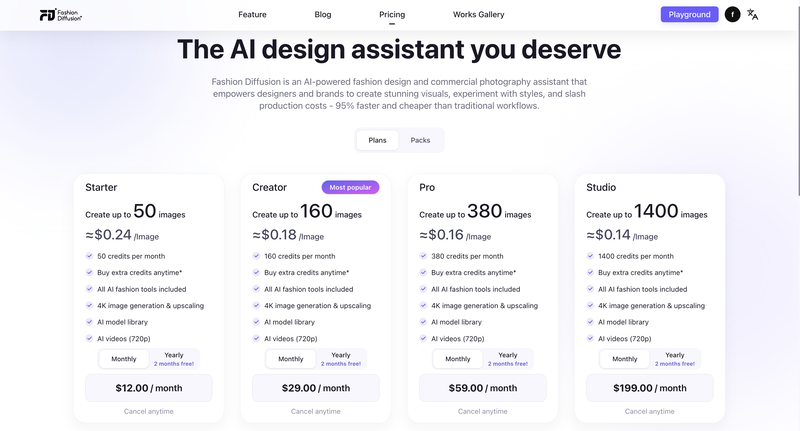
    Fashion Diffusion is an AI-powered fashion design and visual creation platform for designers and brands. It helps teams create high-quality visuals faster and at a much lower cost than traditional workflows.
    One of the main tools in Fashion Diffusion is the AI sketching tool. These tools are designed for the early concept stage, allowing designers to explore silhouettes, styles, and creative directions without starting from a blank page.

    Rather than focusing on technical precision, the platform makes it easy to generate quick visual ideas through AI-powered sketching. This combination of speed, flexibility, and ease of use makes Fashion Diffusion a strong paid option for ideation and concept development.

    How Fashion Diffusion supports sketching and concept development:

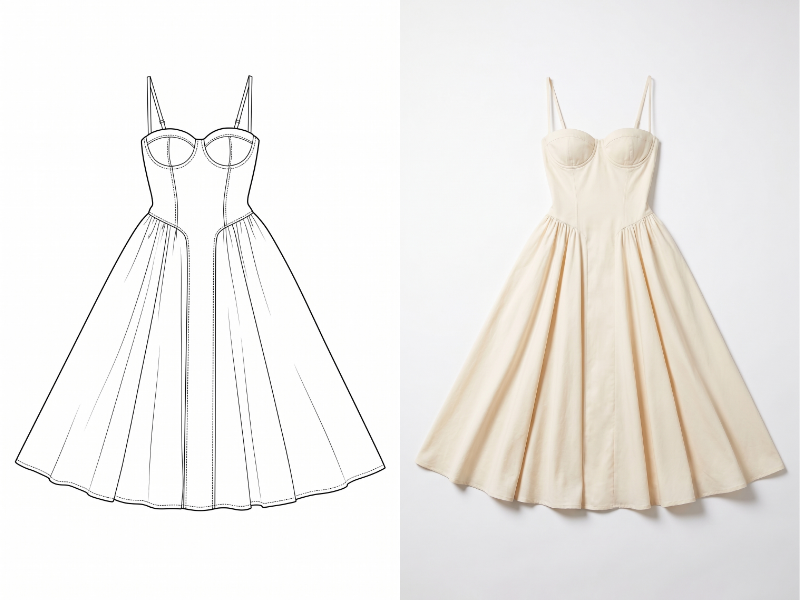
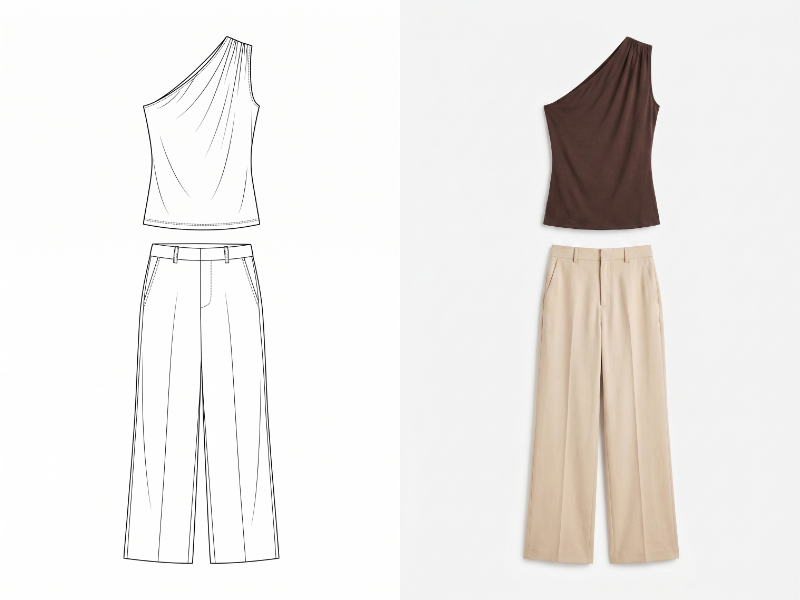
    • Designers can upload reference photos or garment images and use Image to Sketch to convert them into clean fashion line drawings, making it easier to rework existing styles or analyze structure.
    image to sketch
    • When starting from an idea rather than an image, Text to Sketch allows designers to generate sketches directly from written descriptions, such as silhouette, sleeve shape, or overall mood.
    text-to-sketch
    • Once a line sketch is ready, Sketch to Render helps transform it into a more realistic visual by adding fabric, color, and texture details, making concepts easier to present and evaluate.
    sketch to render
    Fashion Diffusion AI-generated

    2. Style3D AI

    style3D

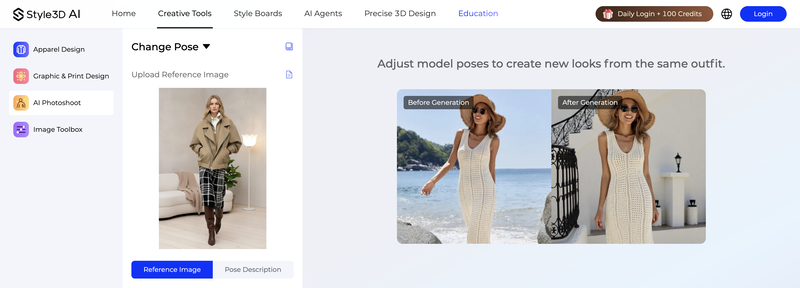
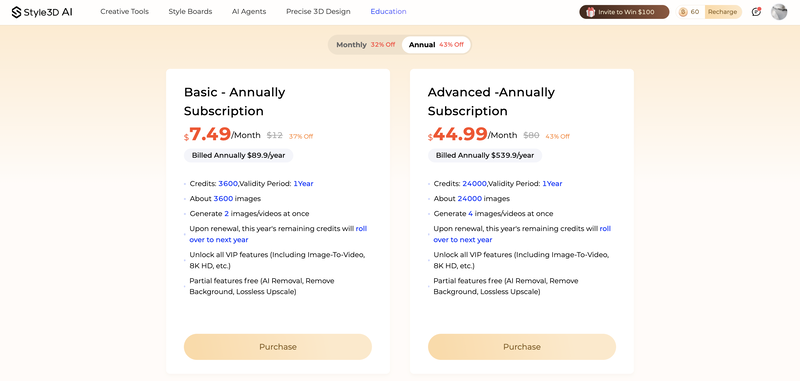
    Style3D AI focuses on realistic 3D fashion visualization. It allows designers to see how garments look and behave in three dimensions, making it easier to understand proportions, fit, and fabric movement.

    The tool has a moderate learning curve and is best suited for designers who want to move beyond flat sketches. As a paid platform, it works especially well during the visualization and prototyping stage.

    How Style3D AI supports design visualization:

    • Designers can transform flat designs into 3D garments to better evaluate silhouette, fit, and overall balance before sampling.
    • Fabric drape and material behavior are simulated digitally, helping designers anticipate how a design might perform in real life.
    • The tool is useful for bridging the gap between concept sketches and production-ready visuals.

    3. OpenArt

    openart

    OpenArt is an AI-powered platform designed for creative exploration and visual inspiration. It helps designers experiment with styles, aesthetics, and ideas quickly without committing to a final direction. Its simple interface makes it accessible for beginners, and it fits naturally into the early concept and mood-building stage.

    How OpenArt supports creative exploration:

    • Designers can generate visual concepts and sketches from text prompts, making it easy to explore different styles and design directions.
    • AI-generated imagery can be used to build mood boards or test visual themes before moving into detailed sketching.
    • The tool encourages fast experimentation, helping designers refine ideas through iteration rather than precision.

    4. Adobe Illustrator

    adobe illustrator

    Adobe Illustrator is a classic tool for precision vector illustration. It’s widely used in the fashion industry for creating clean flats, technical drawings, and production-ready visuals. While it has a steeper learning curve and requires a subscription, it remains essential for detailed and accurate design work.

    How Adobe Illustrator supports technical fashion design:

    • Designers use vector tools to create precise fashion flats and technical sketches with consistent proportions.
    • Editable paths and layers make it easy to refine details, adjust measurements, and prepare files for production.
    • Illustrator is best suited for later design stages where accuracy and clarity matter most.

    5. Affinity Designer

    affinity designer

    Affinity Designer offers many of the same vector illustration capabilities as Illustrator but with a lighter interface and a one-time purchase model. It’s a strong option for designers who want professional results without committing to ongoing subscription costs.

    How Affinity Designer supports digital sketching:

    • Designers can create clean vector sketches and fashion flats with precise control over lines and shapes.
    • The streamlined interface makes it easier to learn while still supporting advanced illustration needs.
    • It works well for both refined concept sketches and technical drawings.

    6. Sketchbook

    sketchbook

    Sketchbook is built specifically for freehand digital drawing. It’s popular among designers who prefer a natural, hand-drawn approach to sketching fashion ideas. The tool is intuitive and flexible, making it suitable for early-stage concept work.

    How Sketchbook supports hand-drawn sketching:

    • Designers can use a wide range of brushes to create expressive, loose fashion sketches.
    • Layer-based drawing makes it easy to refine rough ideas into cleaner illustrations.
    • The app supports a natural drawing flow, especially when used with tablets and styluses.

    7. MediBang Paint

    mediBang paint

    MediBang Paint is a lightweight and beginner-friendly digital drawing tool. It’s especially useful for designers who want to sketch quickly without complex setup. As a free tool, it’s accessible to students and independent creators alike.

    How MediBang Paint supports quick fashion sketches:

    • Designers can create detailed sketches efficiently using simple brush and layer controls.
    • Cloud storage allows sketches to be accessed and edited across multiple devices.
    • The tool works well for early concept sketching and casual illustration.

    8. Canva

    Canva

    Canva is a user-friendly design platform focused on visual presentation rather than technical drawing. It’s often used for mood boards, concept layouts, and design storytelling. Its drag-and-drop interface makes it easy to use, even without a design background.

    How Canva supports concept presentation:

    • Designers can organize sketches, colors, and references into clear mood boards.
    • Pre-made templates help present design ideas in a polished and shareable format.
    • Canva is ideal for communicating concepts visually rather than creating detailed sketches.

    9. Repsketch

    Repsketch

    Repsketch is a fashion-specific sketching tool designed to speed up the illustration process. It provides built-in templates that align with industry standards. This paid tool is best suited for designers working on refined concepts or professional sketches.

    How Repsketch supports fashion illustration:

    • Designers can start from pre-built fashion templates instead of drawing base figures from scratch.
    • Fashion-focused tools help maintain consistent proportions and clean presentation.
    • The platform streamlines sketching for faster professional output.

    10. Pret-a-Template

    pret-a-template

    Pret-a-Template offers ready-made fashion templates for sketching and pattern planning. It allows designers to focus on creativity rather than setup. With a low learning curve, it’s ideal for quick concept development.

    How Pret-a-Template supports structured sketching:

    • Designers can use pre-designed body and garment templates to speed up sketch creation.
    • The tool helps maintain consistency across multiple design ideas.
    • It works well for early-stage planning and fast visual exploration.

    When it comes to bringing fashion ideas to life, the right tool can make all the difference. From AI fashion sketch generators to traditional digital drawing software, each platform serves a unique purpose in the design process. To make it easier to see which tool fits your needs, here’s a handy overview of 10 popular fashion sketching tools.

    ToolType / CategoryDifficultyPaid / FreeBest ForStage of Design
    Fashion DiffusionAI fashion design platformEasyPaidDesigners seeking inspirationConcept / Idea generation
    Style3D AI3D visualizationMediumPaidDesigners needing realistic fit & drapePrototype / Visualization
    OpenArtAI inspirationEasyFree/PaidQuick mood boards & concept testingConcept / Idea generation
    Adobe IllustratorVector illustrationHardPaidProfessionals creating technical drawingsTechnical design / Final illustration
    Affinity DesignerVector illustrationMediumPaid (one-time)Designers wanting affordable vector toolsTechnical design / Final illustration
    Sketchbook (Autodesk)Freehand digital drawingMediumFree/PaidHand-drawn concept sketchesConcept / Sketching
    MediBang PaintFreehand digital drawingEasyFreeQuick, detailed sketchesConcept / Sketching
    CanvaDesign / Mood boardsEasyFree/PaidQuick visuals and boardsConcept / Presentation
    RepsketchTemplate-based sketchingMediumPaidFashion-specific professional sketchesConcept / Technical illustration
    Pret-a-TemplateTemplate-based sketchingEasyPaidFocus on creativity over setupConcept / Pattern planning

    How AI is Changing the Fashion Sketching Trend

    AI is transforming the way designers approach fashion sketching, making the creative process faster, more flexible, and more experimental. What once took hours of manual drawing can now be generated in seconds, allowing designers to focus less on repetitive work and more on creative exploration.

    Beyond speed, AI encourages experimentation. By suggesting new silhouettes, color palettes, and texture, AI tools help designers break out of familiar patterns and explore bolder, more innovative ideas that might not emerge through traditional sketching alone.

    AI also makes fashion design more accessible. Emerging designers and hobbyists who may not have advanced drawing skills can now create professional-looking sketches and visualize their ideas with greater confidence. This lowers the barrier to entry and opens fashion sketching to a wider creative community.

    As AI continues to evolve, it’s no longer just a convenience tool—it’s actively shaping design trends and influencing how fashion concepts move from imagination to visual reality. For designers looking to take the next step, this guide on how to turn a sketch into a render with AI shows how tools like Fashion Diffusion help transform early sketches into more polished, production-ready visuals.

    Finding the Right Fashion Sketch Tool for Your Workflow

    Choosing the right fashion sketch tool can make a huge difference in your creative process. With so many options available, it helps to understand which tools fit your style, workflow, and goals before diving in.

    Understand Your Creative Style

    Choosing the right fashion sketching tool starts with understanding how you like to create. If you enjoy exploring ideas quickly and visually, AI-powered tools can help generate concepts and inspiration in seconds, without the pressure of starting from a blank canvas.

    Consider Your Skill Level

    Your experience level plays an important role in tool selection. Beginners or non-designers may prefer platforms with templates and intuitive interfaces, while experienced designers often look for tools that offer more control over details, layers, and precisions.

    Match the Tool to Your Workflow

    Different tools serve different purposes. Some are great for fast concept sketches and mood boards, while others are better for technical drawings or design refinement. Think about whether your goal is inspiration, presentation, or production when choosing a tool.

    Combine Tools for Better Results

    You don’t have to stick to just one tool. Many designers use AI tools for brainstorming and idea generation, then switch to traditional illustration software to polish their sketches. The best setup is one that fits your workflow and helps you design with confidence.

    The future of Fashion Sketching

    Fashion sketching is evolving fast, driven by AI and digital tools that make the creative process quicker and more flexible. Designers today have more ways to explore ideas, experiment with styles, and turn concepts into visual without being limited by traditional methods.

    Choosing the right tools is about finding what fits your workflow. AI fashion design tools like Fashion Diffusion make it easier to generate ideas, refine designs, and stay creative without getting stuck on the blank page. As fashion design moves forward, embracing tools like Fashion Diffusion is a smart step toward working faster, smarter, and more creatively.

    FAQ

    Where can I learn fashion designing for free?

    You can find free fashion design courses on platforms like Coursera, edX, and Alison, offering basics in sketching, textiles, pattern making, and digital skills, often with audit options or trials for full content access, plus institutions like Parsons School of Design and FutureLearn provide free modules on digital fashion and branding, while places like Oxford Home Study Centre and eLearning College offer free short courses for beginners with certificates available, covering design principles, construction, and business fundamentals. 

    Can I design clothes if I can’t draw?

    Think through the functionality. Even if you can’t draw, imagine how the front, side, and back of your design will look and what detail you want where. Then you can walk others through your design showing your reference images, samples, and notes as you describe each side of the garment.

    How to start drawing fashion sketches?

    To draw fashion sketches as a beginner, start with a basic, elongated figure called a croquis (using shapes like ovals, triangles, cylinders for head, torso, limbs) as your template, focusing on the clothing’s flow and detail (pleats, folds) over perfect facial features, using pencils for outlining and light layers of color/shading to give dimension, and remember practice is key. 

    Avatar photo 通过Sophia Mille

    The history of the Bomber Jacket: From Aviation Legend to Street Style

    Few jackets have stayed relevant across decades quite like the bomber jacket. What began as functional outerwear for military pilots has become a timeless style staple today.

    Behind its simple silhouette lies a story shaped by aviation, culture, and fashion. This post explores the bomber jacket’s origins and its design evolution. It also looks at why it still feels modern today, with help from AI fashion design tools like Fashion Diffusion.

    What is bomber jacket?

    The bomber jacket was designed for military pilots in the early 20th century. It protected them from cold temperatures and strong winds at high altitudes.

    Though born in the military, the bomber jacket later entered everyday wardrobes. Over time, it became a timeless fashion staple.

    Its charm lies in this journey—from military uniform to streetwear, from functional gear to a fashion statement. The jacket carries a rich history while constantly being reinterpreted for modern style.

    bomber jacket style
    Fashion Diffusion AI-generated

    What Makes a Bomber Jacket Stand Out

    Despite changes in style and materials, classic bomber jackets share key features.

    • Cropped Length: Typically hitting around the waist or hips, it keeps your movement free and the overall look sharp.
    • Ribbed Collar, Cuffs, and Hem: These details block wind, retain warmth, and define the bomber’s iconic shape.
    • Front Zipper: Originally practical for quick wear and removal, it also adds to the jacket’s functional appeal.
    • Relaxed Fit: Originally made for cockpit movement, it’s now a staple of casual and street style.

    These functional details help the bomber jacket stay relevant as trends change.

    The History of the Bomber Jacket

    Before it became a fashion icon, the bomber jacket was born out of necessity. Its origins lie in early aviation. Its design evolved alongside advances in flight technology.

    Origins

    The bomber jacket first appeared in the early 20th century, born out of military aviation. During World War I, most aircraft had open cockpits. Pilots faced freezing temperatures and strong winds at high altitudes. Standard military uniforms just weren’t up to the task, so the military began designing specialized jackets for aviators.

    Back then, practicality was everything. Thick leather, wool, or fur linings were used to keep pilots warm. A loose fit allowed for movement inside the cockpit. High collars and snug cuffs helped block out cold drafts. These rugged details laid the foundation for the bomber jacket’s original, functional design.

    origin bomber jacket

    Evolution Over Time

    As aviation technology advanced, the design of the bomber jacket quietly evolved. By World War II, pilots flew higher and longer missions. Jackets needed warmth, lightness, and flexibility. Zippers gradually replaced buttons, while ribbed cuffs and hems improved both fit and comfort.

    After the war, the rise of jet planes and enclosed cockpits completely changed the flying environment. Heavy leather was no longer the only option—lighter materials like nylon and other synthetics became mainstream. This shift made bomber jackets more practical and gave them a cleaner, more streamlined look.

    During this period, bomber jackets entered everyday life and popular culture. They became a street-style staple while keeping their core spirit of durability and practicality.

    How the Bomber Jacket Became a Fashion Staple

    The bomber jacket became popular not only because of its design. Cultural and media influences also played a key role.

    After World War II, many pilots retired, and these jackets gradually moved out of the military and into daily wardrobes. Durable, practical, and easy to wear, they quickly won over regular consumers, shedding their strictly military identity.

    The Influence of Pop Culture

    Movies and popular media played a big role too. On screen, characters often linked bomber jackets with bravery, freedom, and personality. This gave the originally functional jacket attitude and emotional appeal.

    Over time, music, street culture, and youth subcultures reshaped the bomber jacket.
    It evolved from a military relic into a symbol of personal style.

    Fashion Brands’ Redesigns

    When fashion brands started experimenting with it, the jacket’s potential grew even further. Designers kept the classic silhouette but experimented with new materials and colors. These updates made the bomber jacket suitable for more occasions and outfits.

    From military gear to runways, streetwear, and everyday closets, the bomber jacket evolved naturally. Its transformation has been both lasting and influential.

    Its enduring appeal lies in carrying history while constantly being reimagined.

    The Current Trends of the Bomber Jacket

    Today, the bomber jacket has gone far beyond its military roots, becoming a fashion staple that balances timelessness with trendiness. Several key trends stand out, many of which also align with broader fashion trend forecasts for the coming years.

    More Fabric Options and Richer Colors

    Designers now experiment with cotton, suede, denim, and mixed fabrics. Colors also go beyond classic greens, blacks, and khakis. Trending shades like deep blue or soft pink are becoming more common.

    With AI tools like Apply Fabric & Recolor, these variations can be visualized in seconds. Designers can test materials and colors without physical samples. This makes it easier to adapt designs for different seasons and everyday wear.

    denim bomber jacket
    Fashion Diffusion AI-generated

    Modernized Cuts and Fits

    While respecting the classic silhouette, modern bombers feature cropped lengths, relaxed fits, and sharper tailoring. AI-powered Style Innovation helps designers explore new proportions and silhouettes early on.

    It also allows quick testing of trend-inspired details. As a result, designers can iterate on fit and structure faster, without physical sampling.

    croptop bomber jacket
    Fashion Diffusion AI-generated

    Frequent Crossovers

    Bomber jackets now appear in collaborations, limited editions, and streetwear crossovers. Using Style Innovation, designers can mix street aesthetics with luxury tailoring, utility elements, or experimental graphics to create hybrid concepts. This helps generate fresh, culturally relevant designs quickly, while maintaining the jacket’s iconic appeal.

    street style
    Fashion Diffusion AI-generated

    Together, these trends show how the bomber jacket remains a timeless yet adaptable piece—practical, stylish, and full of personality.

    Designing Your Own Modern Bomber Jacket with AI Fashion Design Tools

    With Fashion Diffusion, designing your own bomber jacket has never been easier or more fun.

    Start by generating ideas with Text-to-Sketch, or refine your concept using Sketch-to-Render. These tools turn your imagination or hand-drawn sketches into polished digital designs in seconds.

    Bomber-jacket-sketch

    Next, experiment with fabrics, colors, and trims using Apply Fabric & Recolor. You can instantly see how satin, or knit panels work. Bold or trending color palettes can be test without physical samples.

    recolor

    Use Virtual Try-On to preview how your jacket fits different body types and pairs with various outfits. It’s like giving your design a magic mirror—you’ll see it in action before it even exists.

    Finally, explore Style Innovation to tweak silhouettes, merge aesthetics, or add creative details. It helps you push your bomber jacket design beyond the ordinary, making it truly unique.

    restyle

    A Bomber Jacket with a story to tell

    From its military roots to street style, the bomber jacket has made a remarkable journey. It has evolved from functional gear into a true fashion icon. Today, it’s more than a practical layer for warmth and protection. It’s also a statement of personality and attitude.

    Next time you’re picking out an outer layer, consider reaching for this classic with a story to tell. A bomber jacket isn’t just about style—it carries a piece of history with it.

    Bring your fashion ideas to life with Fashion Diffusion—experiment, visualize, and style your designs faster, smarter, and more creatively.

    FAQ

    Why do they call it a bomber jacket?

    They are called bomber jackets because they were designed for pilots flying bomber aircraft in World War I and II. 
    These pilots needed warm, durable jackets for cold, high-altitude cockpits. The airmen were often called“bomber boys,” which led to the jacket’s name. Styles like the B-3 and MA-1 later became iconic beyond the military.

    Are bomber jackets still in style in 2025?

    Yes, bomber jackets are still in style in 2025. They remain a versatile fashion staple across runways and street style. Popular trends include oversized fits, brown leather, sustainable fabrics, and technical materials. Their adaptable silhouettes make them a timeless investment.

    What is a bomber jacket?

    A bomber jacket is a waist-length, casual jacket that features a zippered front and fitted cuffs and waistband. Originally designed for military pilots in World War I, the bomber jacket was made for protection and mobility. Over time, it evolved from heavy leather and wool into lighter materials. Today, bomber jackets are made from nylon, satin, cotton, and other fabrics.

    What body type looks good in a bomber jacket?

    Bomber jackets work well on all body types. They can add volume to slim frames and highlight athletic builds. With the right fit, they also flatter curves and petite proportions.

    Why do bomber jackets have orange inside?

    The bright orange lining comes from the military MA-1 flight jacket. Downed pilots could reverse the jacket to increase visibility. This helped signal rescue teams in emergencies or crashes. This reversible, high-visibility feature made it a popular civilian fashion item, a nod to its practical, utilitarian origins.  

    Avatar photo 通过Sophia Mille

    12 Essential Clothing Design Tools for Every Fashion Designer

    The fashion industry demands unprecedented speed and precision, and today’s digital design tools are ready to deliver. From early sketches to 3D simulations and final outputs, these tools enhance precision, accelerate iteration, and expand creative possibilities.

    In this guide, we spotlight 12 essential tools that elevate every stage of the design process, enabling a smarter, more streamlined, and more innovative way to create.

    1. Fashion Diffusion — AI-Powered Fashion Design 

    Clothing Design Tool: Fashion Diffusion

    If you’re looking for an all-in-one platform that supports the entire fashion design workflow, Fashion Diffusion stands out as the ultimate choice.

    It brings AI into the clothing product development pipeline, allowing designers to accelerate style creation while cutting the cost of traditional commercial photography. 

    By accurately recognizing key garment elements like silhouette, fabric, and construction details, Fashion Diffusion can generate clean sketches, polished renders, and PDP-ready virtual try-on images from simple text prompts or reference photos. 

    The platform also excels as an inspiration engine. When you hit a creative block or fall into repetitive design patterns, its style innovation feature can instantly produce diverse variations using a short prompt or two contrasting garment references.

    For designers aiming to design faster, explore more ideas, and increase output with less effort, Fashion Diffusion is a strong companion to add to the digital toolkit.

    2. Vogue Runway — Fashion Inspiration

    Clothing Design Tool: Vogue Runway

    Vogue Runway is Vogue’s comprehensive digital platform and app dedicated to real-time fashion show coverage. It provides full runway collections, high-resolution look images, expert reviews, trend breakdowns, and an extensive archive of past seasons. All of these features establishes it as one of the most authoritative sources for tracking the trends of global fashion.

    With instant access to thousands of shows across major fashion capitals, Vogue Runway gives designers a powerful way to stay ahead of seasonal shifts, identify emerging styles, and reference historical collections.

    3. Heuritech — Trend Prediction

    Heuritech is a fashion tech firm offering image recognition and predictive analytics to forecast trends in luxury and apparel.

    Its AI analyzes vast volumes of visual content—from social media, runways, and e-commerce—to deliver clear, data-driven trend insights. By spotting trends before they go mainstream, Heuritech enables brands to forecast consumer demand with improved precision.

    4. Make the Dot — Collaborative Moodboard

    Clothing Design Tool: Make the Dot

    Make the Dot is a collaborative moodboarding tool designed specifically for fashion teams. With its collaborative design canvas, multiple stakeholders—designers, merchandisers, and creative directors—can work together on one board. This ensures faster alignment on themes, colors, silhouettes, and fabric direction.

    For teams aiming to turn scattered inspiration into a unified creative vision, Make the Dot provides an intuitive workspace. It enhances clarity, speeds decision-making, and reduces back-and-forth during concept development.

    5. Procreate — Digital Sketch & Illustration

    Clothing Design Tool: Procreate

    Procreate is a top digital illustration app for iPad, offering a fast, intuitive tool for sketching and concept development. With advanced brushes, layering tools, and gesture controls, Procreate combines the fluid, tactile feel of traditional drawing with the power and versatility of digital editing.

    6. Adobe Illustrator — Precision Vector Drafting

    Clothing Design Tool: Adobe Illustrator

    Adobe Illustrator is an industry-standard vector graphics software widely used to create precise, scalable illustrations and technical flats. 

    Illustrator offers robust tools for layering, path editing, typography, and color management. It enables designers to create precise line drawings, detailed garments, and complex design elements for both sketches and technical production.

    7. Repsketch — Quick Fashion Sketch Templates

    Clothing Design Tool: Repsketch

    Fashion designers often lack the time required to produce detailed, hand-drawn sketches; consequently, a specialized rapid sketching platform becomes essential.

    Repsketch addresses this with a large library of clean, customizable fashion templates. Designers can skip a blank page and dive directly into concept development, iterating freely on ideas.

    8. CLO 3D — 3D Garment Design

    Clothing Design Tool: CLO 3D

    CLO 3D is professional 3D fashion design software, enabling designers to create realistic garments with accurate fabric, fit, and drape. Teams can visualize designs on virtual avatars, adjust patterns, and experiment with materials before making physical samples.

    Equipped with tools like pattern drafter, texture editor, and avatar fitting, CLO 3D streamlines the prototyping process and reduces reliance on costly samples, providing a complete solution for digital garment creation.

    9. Browzwear VStitcher — Virtual Prototyping

    Clothing Design Tool: Browzwear

    Browzwear is a leading platform for digital garment design, enabling brands, designers, and manufacturers to create, visualize, and optimize garments entirely digitally. It revolutionizes the traditional sampling process with its core product, VStitcher and Stylezone. 

    VStitcher offers realistic 3D garment simulation, letting designers adjust patterns and test fabrics virtually to resolve fit issues early and reduce physical samples. Stylezone complements it with a cloud-based space for reviewing, approving, and sharing virtual samples in real time, keeping teams and manufacturers aligned.

    Together, Browzwear delivers a comprehensive solution for faster, more accurate, and fully digital product development.

    10. Techpacker — Tech Pack Management

    Clothing Design Tool: Techpacker

    Creating accurate tech packs is crucial for smooth fashion production—but it can be time-consuming and error-prone. Techpacker simplifies this process by allowing designers to turn sketches or mock-ups into ready-to-use tech packs in minutes, collaborate with factories, and track production progress effortlessly.

    Using a visual, card-based system, Techpacker organizes design details—sketches, materials, measurements, and more—making it easy for teams and manufacturers worldwide to collaborate, monitor changes, and accelerate the sampling process.

    11. Sewport — Manufacturer Matching

    Clothing Design Tool: Sewport

    Finding the right manufacturer for your fashion brand isn’t easy, especially when you need quality, reliability, and efficiency. That’s where Sewport comes in. 

    This B2B platform connects designers and brands with a global network of verified garment manufacturers, allowing you to browse factory profiles, request quotes, and manage production—all in one place.

    Once you submit your finalized tech pack and design files, Sewport immediately matches you with suitable factories and centralizes your entire production workflow, offering full transparency from start to finish.

    12. Mood Fabrics — Fabric Sourcing

    Clothing Design Tool: Mood Fabrics

    Mood Fabrics is a premier online fabric retailer known for its extensive selection of high-quality textiles used in fashion design, sewing, and costume creation. 

    Based in New York City—with additional locations and a fully stocked e-commerce platform—it offers designers access to thousands of fabrics ranging from luxury silks and wools to denim, lace, and specialty materials.

    The Essential Toolkit for Clothing Design

    To wrap things up, here’s a simple, at-a-glance summary of all the tools we covered. Think of it as a quick cheat sheet to help you decide which platforms fit your design needs the best.

    12 Essential Tools for Fashion Designers

    For those seeking a single platform that brings the entire digital fashion workflow together, Fashion Diffusion offers unmatched speed, flexibility, and creative power.

    By unifying multiple stages of the design process into one streamlined workspace, it eliminates tool-switching, reduces production costs, and helps teams move from concept to polished visuals in minutes rather than days.

    As AI reshapes the industry, Fashion Diffusion gives you an all-in-one, future-ready workflow to design faster and smarter—starting now.

    FAQs

    What software do most clothing designers use?

    Most designers today combine 2D sketching apps and 3D garment software for their work. Recently, many have begun using AI fashion design tools such as Fashion Diffusion to create ideas faster and produce higher-quality design assets.

    What technology do fashion designers use?

    Traditional technology used for fashion design includes digital drawing apps, 3D design software, and cloud collaboration platforms. Additionally, AI platforms are increasingly utilized to predict fashion trends and rapidly generate designs.

    Which CAD software is mostly used in the apparel industry?

    Many fashion companies rely on established CAD tools like CLO 3D and Browzwear’s VStitcher. Style3D has also emerged as a fast-growing option thanks to its AI-powered tools and cloud ecosystem.

    Can I design clothes in Canva?

    Canva allows you to put together simple apparel designs using its templates and design elements. For professional fashion design—like patterns, tech packs, or 3D samples—you’ll need dedicated tools such as CLO 3D or Fashion Diffusion.

    Avatar photo 通过Sophia Mille

    2026 AI Fashion Trends: Transforming How Brands Create, Sell & Engage

    The fashion world is undergoing a systematic shift as we enter 2026. Economic uncertainty, changing customer priorities, and rapid tech advancements are reshaping how brands operate.

    Forward-thinking labels are now integrating AI into every single part of the fashion workflow—from trend discovery to content creation and automation. 

    This article dives into 8 key AI fashion trends defining 2026—and shows how designers and brands can leverage AI fashion tools to stay ahead in a fast-changing fashion market.

    Why AI Is Indispensable for Fashion in 2026

    2026 AI Fashion Trends

    The fashion industry has never been afraid of change—but 2026 marks a turning point. Years of digital experimentation have finally converged, and now AI is reshaping everything from design to discovery.

    On the tech side, Generative visuals, 3D simulation, and multimodal agents are now strong enough to support real end-to-end automation for the first time.

    At the same time, commerce platforms have raised consumer expectations. Virtual try-on, AI recommendations, and hyper-personalized content are quickly becoming standard. Brands that can’t produce large volumes of high-quality visuals simply lose visibility.

    And perhaps the biggest motivation comes from within fashion brands themselves. Acquisition costs are rising, content needs are exploding, and teams are expected to deliver more with fewer resources. For small and mid-sized brands, especially, AI may be the only realistic way to reduce costs and stay competitive.

    In short, AI in fashion isn’t just another short-lived trend. It’s the natural outcome of technological maturity, economic pressure, and large-scale structural changes across the global fashion sector.

    8 Key AI Fashion Trends to Watch in 2026

    From creative work to customer experience and operational efficiency, these trends reveal how AI is reshaping fashion—and what brands need to do to keep up.

    1. AI-Powered Fashion Design Acceleration

    In 2026, one of the most widely adopted uses of AI in fashion is design acceleration. Modern AI fashion design platforms, such as Fashion Diffusion, bring all visual tasks into a seamless, unified workflow. They automate the tedious manual tasks, speed up iteration cycles, and boost overall efficiency.

    AI supports the design process across three practical stages:

    AI Sketch

    AI Sketch accelerates the design process by turning concept ideas and initial sketches into high-quality, photorealistic visuals almost instantly.

    • Text/Image to Sketch: Designers input text descriptions or upload reference images, then AI generates clear, structurally accurate preliminary sketches.
    • Sketch-to-Render: Converts designer sketches into high-fidelity 3D renders. Helps validate product concepts more quickly and reduces the need for early physical samples.

    AI Restyle

    AI Restyle helps speed up design modifications and iterations, allowing designers to quickly experiment with new styles, fabrics, and colors using simple text commands or reference images.

    • Style Innovation: Rapidly generates design variations or combines elements from existing collections to create new styles with text prompts.
    • Apply Fabric & Recolor: Instantly simulates complex fabrics like leather, silk, or denim, complete with realistic physics, and adjusts colors with precision—making real-time testing of materials and variants effortless.

    AI Shoots

    AI Shoots replaces traditional photography by generating studio-quality, marketing-ready visuals at scale.

    • Virtual Try-On (VTO): Produces hyper-realistic images of products on diverse, user-defined models. Eliminate the need for live models and real-world photoshoots.
    • Change Background: Instantly places products in any commercial or editorial setting—street, studio, or exotic locations—eliminating the need for costly location shoots.
    • Swap Face: Quickly localizes and customizes model identities for global campaigns while keeping styling and poses consistent.

    By integrating AI into fashion design, brands can streamline the entire design-to-market process, turning a single concept into dozens of market-ready assets for global markets in an instant.

    This approach lets AI handle repetitive, time-consuming tasks, freeing designers to focus entirely on creativity and concept development.

    2. AI Fashion Trend Prediction

    Fashion trend forecasting used to rely on manual research and instinctive guesses. However, AI can now predict emerging styles months in advance by processing massive visual data from global runways, street style photography, and social platforms like TikTok, Pinterest, and Instagram.

    Using advanced visual algorithms, AI identifies emerging colors, silhouettes, fabrics, and style elements. By combining these insights with historical trends and real-time consumer behavior, AI can forecast which styles are most likely to gain popularity—helping brands make faster, data-driven decisions and stay ahead of the curve.

    For example, Heuritech,  a French AI fashion trend analysis platform, recently reported correctly forecasting dotted prints, flat-thong sandals, and even a surge in yellow—trends that later appeared on fashion runways.  

    That said, human expertise still matters in guiding concept development, validating AI insights, and making final decisions. For fashion brands, AI amplifies human judgment, reduces risk, and enables trend-driven decisions with greater speed and confidence.

    3. AI Fashion Influencers

    2025 has seen an increase in fashion brands collaborating with AI influencers. These virtual personalities are designed to generate content, embody brand aesthetics, and serve as reliable, risk-free brand ambassadors. 

    Their rise reflects a broader shift. Audiences now openly welcome virtual influencers, and brands benefit from creators who can be anywhere, wear anything, and post content without production limits.

    Human celebrities or KOLs often come with high fees and “character collapse” risks. In contrast, AI fashion Influencers offer a zero-risk, 24/7, highly controllable solution while achieving engagement levels comparable to human influencers.

    There are two types of AI fashion influencers, both delivering high business value. Popular independent IPs, like Lil Miquela, require significant collaboration fees. Brand-owned AI virtual influencers, such as Prada’s Candy, a virtual muse of a Prada fragrance “candy”,  are fully custom-built around the brand’s aesthetic, with tailored image, voice, and backstory.

    4. Virtual Try-On for Fashion E-Commerce

    As major shopping platforms like Amazon and Google Shopping adopt virtual try-on(VTO), it’s becoming a standard part of fashion e-commerce.

    Powered by advances in AI, 3D modeling, and augmented reality(AR), virtual try-on now features realistic fit previews, accurately reflecting drape, fabric behavior, and body proportions.

    Virtual try-on lets customers see how a garment actually looks on them, instead of relying on a single, often unrepresentative model. This boosts confidence, reduces hesitation at checkout, and helps lower return rates.

    A compelling example is the visual fitting room by European e-commerce giant Zalando. Users can generate a personalized 3D avatar by entering basic measurements—such as height, weight, and gender—to preview how different sizes fit.

    Zolando Virtual Fitting Room
    source from Zalando Product Design on Medium

    5. AI Personalized Fashion Shopping

    AI personalized fashion shopping is transforming how shoppers discover and buy clothing online. Today’s shoppers demand much more than simple, generic recommendations.

    By analyzing browsing behavior, past purchases, and style preferences, AI recommends outfits and accessories tailored to each shopper. This AI-driven fashion shopping personalization boosts engagement, increases conversion rates, and helps fashion brands connect with customers more effectively.

    Stitch Fix, a leading personalized styling service, is already using AI to reinvent online style discovery. Its new beta tool,  Stitch Fix Vision, uses Generative AI to create personalized, inspirational images of shoppers wearing recommended outfits. 

    By seeing themselves in different looks, customers can explore styles more intuitively and find pieces that match both their personal taste and current fashion trends.

    6. AI in Fashion Marketing

    As budgets tighten and customer acquisition costs rise, fashion brands are turning to AI to enhance every stage of the marketing process. By analyzing large volumes of audience and performance data, AI enables brands to make smarter, real-time decisions. 

    By improving personalization, automating campaign and creative content production, and revealing richer customer insights, AI helps brands deliver more efficient and effective marketing results.

    For example, Adidas has enhanced email marketing with AI personalization via Salesforce Marketing Cloud. It chooses the most relevant images and offers for millions of subscribers the moment they open the email. This allows Adidas to send highly tailored content all within a single global campaign.

    7.  AI-Driven Supply Chain Optimization

    AI is reshaping fashion supply chains by moving beyond task automation and into true decision support. Fashion brands can now use AI to predict issues, simulate scenarios, and optimize responses in real time. 

    AI combines historical data, live inputs, and large-scale pattern recognition to make supply chains faster, smarter, and more resilient. Key applications of AI in supply chain management include:

    • Demand Forecasting: Uses real-time data and signals to produce highly accurate demand predictions, enabling businesses to plan proactively. 
    • Inventory Optimization: Calculates ideal stock levels across locations to reduce excess inventory while preventing stockouts.
    • Supply Network Optimization: Simulates routes and supply scenarios to improve delivery efficiency and strengthen resilience.
    • Decision Support: Provides a unified intelligence layer that automates workflows and recommends optimal operational actions.

    H&M has improved its inventory system using data, real-time demand signals, and trend forecasts to align stock with what local shoppers actually buy. AI now guides product allocation and timing to reduce both overstock and stockouts. 

    According to Daniel Erver, H&M’s CEO: “H&M’s improved operating profit margin in the fourth quarter (of 2024) was partially attributable to a better product assortment.”

    8. Sustainable Fashion with AI

    Sustainability is becoming a key focus in fashion, as brands face growing pressure to reduce waste and lower carbon emissions. 

    By forecasting demand more accurately, AI prevents overproduction and excess inventory. In supply chains, AI identifies inefficiencies, suggests eco-friendly sourcing, and optimizes logistics to lower environmental impact. 

    Together, these capabilities allow brands to make smarter, greener decisions while maintaining creativity and efficiency. 

    To tackle excess inventory and waste, Levi Strauss & Co. uses AI-driven predictive forecasting and smart buying to better match production with market demand. Digital prototyping further reduces the need for physical samples, lowering material usage and environmental impact.

    Risks and Ethical Boundaries

    With AI fully integrated within the fashion industry, brands and businesses face a new set of risks that cannot be ignored:

    Algorithmic Bias

    AI models trained on image data can unintentionally reinforce damaging biases concerning body type, skin color, and cultural norms. 

    If datasets are incomplete, skewed, or unauthorized, the result could be misleading trend predictions, incorrect sizing, or culturally insensitive content. Brands must proactively invest in bias detection and diversity measures.

    IP ambiguity

    The legal landscape is still catching up. Ownership of AI-generated content and the unauthorized use of images for training are significant and emerging challenges. 

    Brands must select AI platforms that offer clear copyright policies and provide auditable generation steps to protect their assets.

    Over-automation

    Relying too heavily on AI for content production or decision-making risks a homogenized aesthetic. It can lead to misaligned product assortments and, critically, damage the unique identity that defines the brand.

    Transparency Issue

    Consumers, regulators, and creative professionals now demand transparency regarding AI use, whether it’s in product design or influencer marketing. 

    In 2026, responsible AI adoption in fashion means establishing clear guardrails, actively auditing models, and ensuring AI enhances human expertise rather than silently replacing skilled teams.

    Conclusion

    The year 2026 marks the definitive moment when AI evolves from an optional feature to a fundamental power engine of the fashion industry.

    Success belongs to those who treat AI as a core capability and embed it across fashion design, operations, and customer experience. Creativity will accelerate, processes will become more efficient, and consumer interactions will feel increasingly fluid, predictive, and personal.

    For fashion brands, the next step is clear: experiment boldly, invest strategically, and begin integrating AI fashion solutions into the workflows that matter most. The future won’t wait—start building your 2026 AI advantage now.

    FAQs

    Can AI forecast fashion trends?

    Yes. AI analyzes runway data, social media signals, sales history, and consumer behavior to predict upcoming styles and inform design, merchandising, and inventory decisions.

    What’s the best AI fashion design generator?

    The best generator depends on your workflow, but top platforms like Fashion Diffusion combine high-quality outputs, customization, and integration into existing design pipelines.

    What are the fashion trends for 2026?

    Minimalism, bold colors, and upcycled or recycled materials dominate, alongside tech-enhanced fashion like AR-ready garments and AI-assisted styling.

    Avatar photo 通过Sophia Mille

    Futuristic Elegance: Innovation Meets Sophistication in Fashion

    Futuristic Elegance represents a powerful convergence of forward-thinking innovation and refined aesthetics within fashion and design. It moves beyond mere sci-fi tropes, weaving technological possibilities with timeless sophistication to create garments and styles that are both visually striking and inherently modern. This trend is rapidly gaining momentum, projected to fuel significant growth in the fashion industry.

    What is Futuristic Elegance?

    AFuturistic Elegance is a sophisticated fashion aesthetic that represents a synergy of cutting-edge innovation and timeless luxury. It is the vision of the future that is clean, refined, and highly functional, avoiding the chaotic or overtly theatrical elements often associated with traditional science fiction or cyberpunk.

    💡 Futuristic Elegance = Sophistication + Technology + Minimalism

    This style is characterized by a harmonious balance between bold, forward-thinking materials and impeccable, classic tailoring, making the final garment both aspirational and wearable.

    How is it Different from General “Futuristic” Fashion?

    Futuristic Elegance is about dressing for the sophisticated world of tomorrow—where innovation is seamlessly integrated into a lifestyle of luxury.

    FeatureFuturistic EleganceTraditional Sci-Fi/Cyberpunk Fashion
    WearabilityHigh; designed to be sophisticated and wearable in a luxury setting.Low; often theatrical, avant-garde, or costume-like.
    AestheticClean, sleek, minimalist, polished, and tailored.Gritty, dystopian, maximalist, raw, or overtly experimental.
    TechnologySubtly integrated to enhance function (e.g., climate control, perfect fit).Overt and visible (e.g., exposed wires, LED strips, bulky tech components).

    Key Elements of Futuristic Elegance Fashion

    Futuristic elegance is not about excess—it’s about precision. The look is composed of carefully balanced contrasts: metallic shine against soft fabrics, structured silhouettes meeting organic flow.

    1. Clean Lines and Architectural Minimalism

    The emphasis is on precise cuts, sharp edges, and structured silhouettes. Designers move away from excessive draping and ornamentation, focusing on the pure form of the garment.

    2. Smart and Dynamic Materials

    This is where the “Future” part comes in. The style relies on advanced materials that often have a dynamic quality.

    • Metallics: Chrome, liquid silver, and iridescent or holographic fabrics that subtly shift color and shine as the wearer moves.
    • Smart Fabrics: Materials that regulate temperature, are self-cleaning, or incorporate tiny, hidden tech elements (like luminous threads or subtle digital displays).
    • Sustainable Tech: Use of lab-grown silks, biodegradable polymers, or recycled ocean plastics re-engineered for a luxurious finish.

    3. Subtle Tech Integration

    Technology is integrated thoughtfully and discreetly to enhance functionality without looking gimmicky. For example, hidden magnetic clasps instead of buttons, invisible pockets for wireless charging, or garments designed using AI-generated patterns for a unique, complex texture.

    4. A Refined Color Palette

    The base colors are typically The New Neutrals (deep blacks that absorb light, glowing whites, and refined grays). Bold impact comes from the use of vibrant, high-sheen metallics or digitally-inspired colors as accents.

    2025 Futuristic Elegance: AI-Inspired Outfit Ideas​​

    1. Smart Tech-Integrated Wearables

    Garments featuring subtle, functional technology like climate control, biometric monitoring, or adaptive lighting (e.g., neon patterns) integrated elegantly into the design, suitable for both activewear and sophisticated evening looks.

    Smart Tech-Integrated Wearables
    Fashion Diffusion AI-generated

    2. 3D-Printed & Structured Apparel

    Utilizing 3D printing for intricate detailing, custom fits, zero-waste production, and creating unique textures or architectural forms that maintain a clean, sophisticated line.

    3D-Printed Architectural Apparel
    Fashion Diffusion AI-generated

    3. Minimalist Metallic & Iridescent Ensembles

    Dominated by sleek cuts in shimmering silver, chrome, liquid metals, or iridescent fabrics that capture light dynamically, embodying a space-age yet luxurious feel.

    Minimalist Metallic Ensembles
    Fashion Diffusion AI-generated

    4. Eco-Conscious Smart Fashion

    Combining sustainability with innovation-biodegradable fabrics, lab-grown materials, or recycled polymers (like ocean plastics reimagined) enhanced with tech features or possessing inherently futuristic properties (self-cleaning, color-shifting).

    Eco-Conscious Smart Fashion
    Fashion Diffusion AI-generated

    5. Digital & Holographic Pattern Play

    Leveraging AI and digital design to create complex, dynamic prints and holographic effects that change with movement or light, turning garments into evolving works of art.

    Digital Holographic Patterns
    Fashion Diffusion AI-generated

    The Crucial Role of AI in Futuristic Elegance Creation

    Designing within the realm of Futuristic Elegance demands experimentation with advanced materials, complex patterns, and innovative silhouettes. This is where AI-powered design tools become indispensable, drastically reducing the traditional barriers of cost, time, and resource intensity.

    Platforms like Fashion Diffusion are revolutionizing this process, acting as a generative AI stylist for effortless fashion design:

    Rapid Prototyping & Visualization

    Transform sketches (Sketch to Render) or text descriptions (Text to Sketch) into high-quality visualizations of futuristic designs in seconds, allowing designers to experiment with clean lines, metallics, holographic effects, and unique textures​​ instantly. See how different sustainable smart fabrics or tech integrations would look before physical sampling.

    Virtual Photoshoots & Model Diversity

    Generate high-quality, photorealistic images (Virtual Try-On, AI Model Replacement) of futuristic elegance outfits on diverse virtual models in any setting (Change Background), eliminating the need for costly physical photoshoots. Ensure consistent lighting and true-to-life color representation (Recolor potential).

    Material & Pattern Experimentation

    Easily test how different innovative materials (Apply fabric), vibrant colors, or complex AI-generated patterns (Image to Sketch inspiration) work on a design.

    Unmatched Efficiency

    Slash design iteration time (saving 5-7 hours per design) and reduce production costs associated with sampling and photography by up to 95%.

    Embrace Futuristic Elegance​ with Fashion Diffusion

    Futuristic Elegance is more than a fleeting trend; it’s a fundamental shift toward a fashion future where sophistication meets innovation and responsibility. It captures the zeitgeist, reflecting technological advancement and a growing eco-consciousness, while offering a vision of style that is both aspirational and wearable.

    The integration of AI fashion design tools like Fashion Diffusion is pivotal. They remove friction from the creative process, allowing designers to focus purely on innovation and refine the ​​sleek aesthetic that defines Futuristic Elegance. By enabling rapid visualization of complex ideas involving smart fabrics, holographic, metallics, and sustainable materials, AI accelerates the journey from visionary concepts to market-ready reality.

    Start your journey into AI-powered design.

    👉 Create your own futuristic elegance fashion with Fashion Diffusion where technology meets timeless style.

    Futuristic Elegance FAQs

    How does Futuristic Elegance differ from cyberpunk or sci-fi fashion?​

    While inspired by futurism, Futuristic Elegance prioritizes sophistication and wearability over dystopian aesthetics. It blends innovation with timeless silhouettes—think minimalist metallic tailoring rather than tactical gear, or holographic elegance instead of gritty neon.

    Are Futuristic Elegance outfits sustainable?

    Yes—prioritizes eco-friendly materials (biodegradable fabrics, recycled polymers) and sustainable production as core elements.

    Can I create Futuristic Elegance looks with AI?

    Yes! Tools like Fashion Diffusion turn sketches/text into visuals, enable virtual try-ons and experiment with holographic/tech elements.

    Is AI really designing clothes now?

    Yes. AI assists in concept generation, pattern making, and even color harmony testing. Designers still lead creatively, but AI speeds up and expands their possibilities.

    Avatar photo 通过Sophia Mille

    AI Fashion Design: How Fashion Diffusion is Transforming the Fashion Industry in 2025

    Traditional fashion design has always been time-consuming, costly, and resource-heavy. From hand-drawn sketches to physical prototypes and expensive photoshoots, the process demands both time and budget.

    Fashion Diffusion changes this. As an all-in-one AI fashion design platform, it empowers designers, brands, and creative teams to design faster, reduce production costs, and unleash unlimited creativity. By integrating AI-powered tools like text-to-sketch, sketch-to-render, virtual try-on, and AI-driven image editing, Fashion Diffusion is not only optimizing workflows but also enabling sustainable and scalable fashion innovation.

    What is Fashion Diffusion?

    AI Fashion Design Tool | Fashion Diffusion

    Fashion Diffusion is a comprehensive AI fashion design platform that combines multiple AI-powered tools into a single ecosystem. Instead of using separate apps for sketches, rendering, try-ons, and editing, you get everything in one place:

    • AI-powered image editing (background removal, recoloring, face swap, HD upscaling)
    • Fabric visualization & application tools
    • Virtual try-on for e-commerce and design testing
    • Creative AI features for innovation

    Key Features of Fashion Diffusion

    Fashion Diffusion offers a range of features that make it stand out in the AI fashion design space. Here are some of its key capabilities:

    1. Text-to-Sketch (From Idea to Draft in Seconds)

    Simply type a description like “a bohemian maxi dress for a summer evening on the beach” and let AI instantly generate multiple fashion sketches. This tool helps designers brainstorm faster, test different styles, and save hours of manual sketching.

    2. Sketch-to-Render (Turn Drafts into Polished Illustrations)

    Whether it’s a hand-drawn sketch or a digital draft, the Sketch AI tool transforms it into a refined, high-quality fashion illustration. Designers can experiment with different fabrics, textures, and styles—without going through multiple manual revisions.

    3. Apply Fabric (AI-Powered Fabric Simulation)

    Upload a fabric sample or texture, and Fashion Diffusion will apply it directly to your clothing design. This is particularly useful for fabric suppliers and fashion houses who want to visualize collections without producing physical samples.

    4. Virtual Try-On (Reinvent Fashion Visualization)

    Upload a flat design or rendered outfit, and the platform creates realistic model try-on visuals. It even supports:

    • Changing models
    • Face swapping
    • Background replacement

    This drastically reduces photoshoot costs while offering e-commerce brands and designers new ways to showcase collections.

    5. Style Innovation (Push Creative Boundaries)

    Style Innovation: Control the degree of design transformation—from subtle changes in color to complete structural reimagination—with a simple slider.

    6. AI Image Tools: Background Removal, Recolor, Upscaling & Face Swap

    • Remove Background + Upscale: Clean product photos in one click and upscale them without losing quality.
    • Recolor / Change Background / Swap Face: Ideal for marketing, product catalogs, and personalized campaigns.

      This makes Fashion Diffusion not only a design platform but also a content creation powerhouse for fashion marketing teams.

    How Fashion Diffusion Compares to Other AI Fashion Tools

    In the competitive world of AI fashion design, Fashion Diffusion stands out for several reasons. Unlike some other tools that may require technical expertise or offer limited features, Fashion Diffusion is designed to be user-friendly and accessible to designers of all levels. 

    The Benefits of Using Fashion Diffusion

    So why should you choose Fashion Diffusion over other AI fashion design tools? Here are some of the key benefits:

    Time Savings

    Fashion Diffusion can save you up to 5-7 hours on each design. The AI generates multiple design options in seconds, allowing you to quickly iterate and refine your ideas. This means you can focus more on creativity and less on the technical aspects of design.

    Cost Reduction

    By using Fashion Diffusion, you can reduce your production costs compared to traditional workflows. You can eliminate the need for expensive photoshoots, models, and physical samples, making fashion design more accessible and affordable.
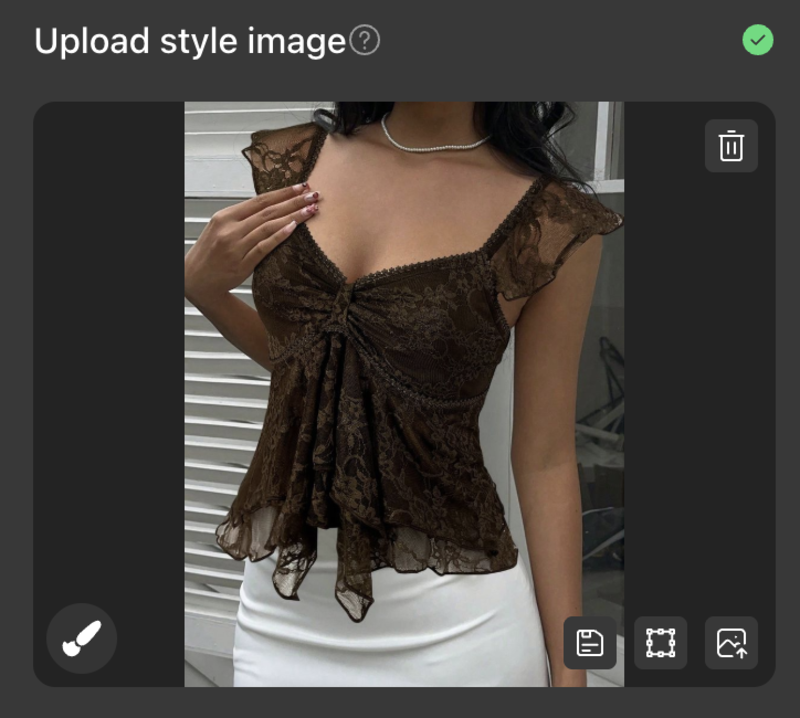
    Enhanced Creativity

    The AI-powered tools in Fashion Diffusion inspire creativity by offering fresh ideas and new styles. You can easily blend different textiles, experiment with colors and patterns, and push the boundaries of your imagination. This helps you create unique and innovative designs that stand out in the market.

    Sustainability

    Fashion Diffusion contributes to a more sustainable fashion industry by reducing waste. The virtual design and prototyping process allows you to test and refine your designs digitally, minimizing the need for physical samples and reducing material waste.

    Other AI Fashion Tools – A Broader Landscape

    Based on industry compilations and comparisons:

    Resleeve.ai

    Known for high-quality virtual model images and background tools. It’s frequently cited alongside Fashion Diffusion for on-model imagery without the need for photoshoots.

    Modelia

    Specialises in realistic 3D garment visualization on virtual models—especially strong in prototyping and lifelike previews.

    Trend Forecasting & 3D Prototyping Tools

    Platforms like Stylumia, Heuritech, Makemode, and others deliver trend analysis, 3D modeling, and virtual prototyping capabilities. These are aimed at supply chain optimization, forecasting, or 3D design rather than full creative workflows.
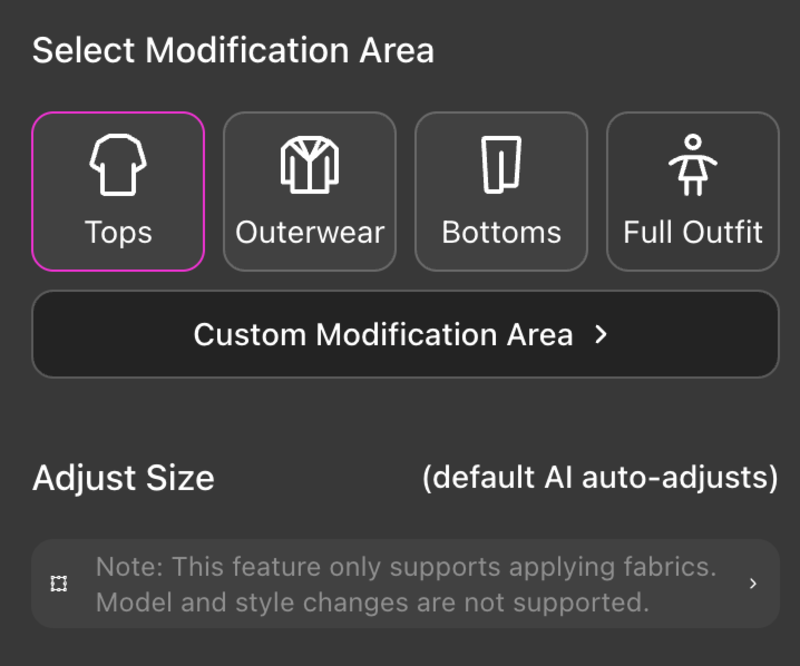
    Open-Source Generative Models

    Solutions like Stable Diffusion are highly flexible and customizable—popular in design circles but often require technical setup and lack fashion-specific interfaces or templates.
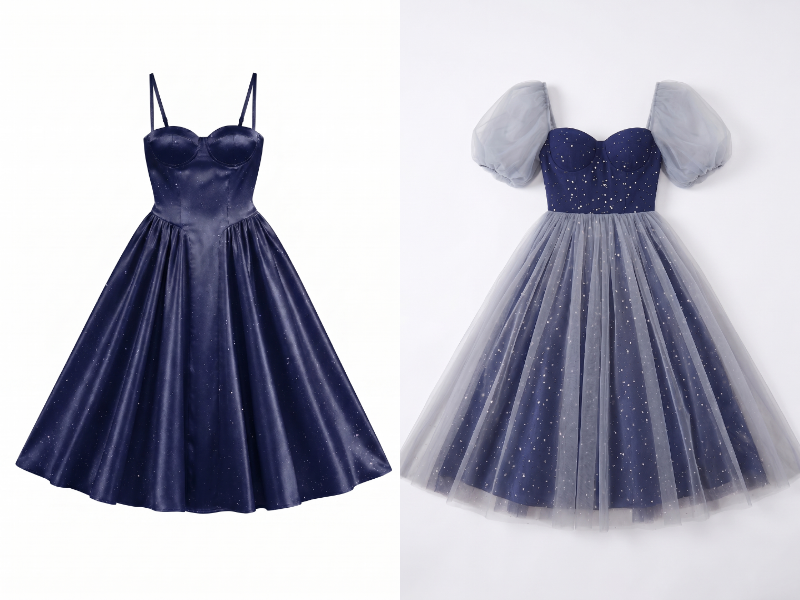
    Comparative Snapshot

    Tool / CategoryStrengthsLimitations / Notes
    Fashion DiffusionAll-in-one, fashion-oriented tools + marketing assets; time & cost efficientFully integrated—ideal for end-to-end workflows
    Resleeve.aiStrong virtual try-on & imagery generationSpecialized scope
    ModeliaRealistic 3D garment visualizationFocused on 3D model output
    Trend Forecasting ToolsOffer trend insights and 3D prototypingOften lack sketching/rendering or virtual try-on features
    Open-source models Customizable, flexible generative powerRequires technical expertise; less streamlined for fashion workflows

    Conclusion:The Future of Fashion is AI-Powered

    Fashion Diffusion is not just a tool—it’s a creative partner that helps designers, brands, and retailers thrive in an AI-driven industry.
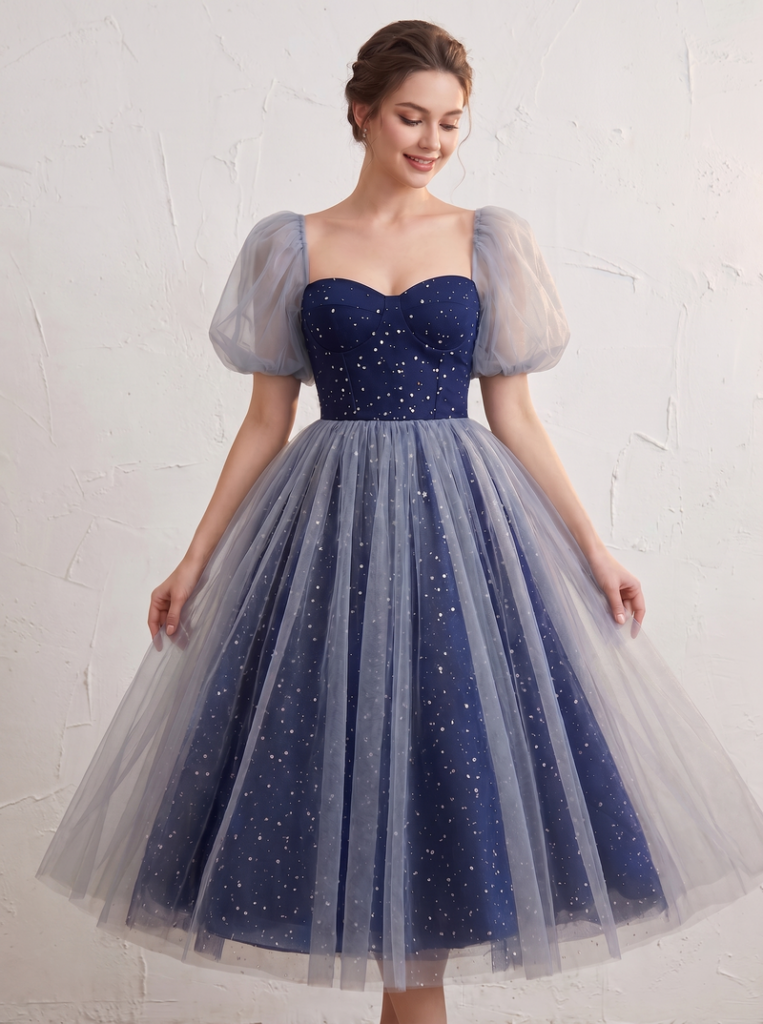
    With faster workflows, reduced costs, sustainable practices, and limitless creativity, the platform empowers anyone to design smarter, market better, and innovate faster.

    🚀 Ready to revolutionize your fashion workflow?
    Start today with Fashion Diffusion and see how AI can transform your fashion journey.

    AI Fashion Design FAQs

    What is AI fashion design?

    AI fashion design uses artificial intelligence to generate, enhance, or optimize fashion concepts, sketches, fabrics, and product visuals—saving time, cost, and resources.
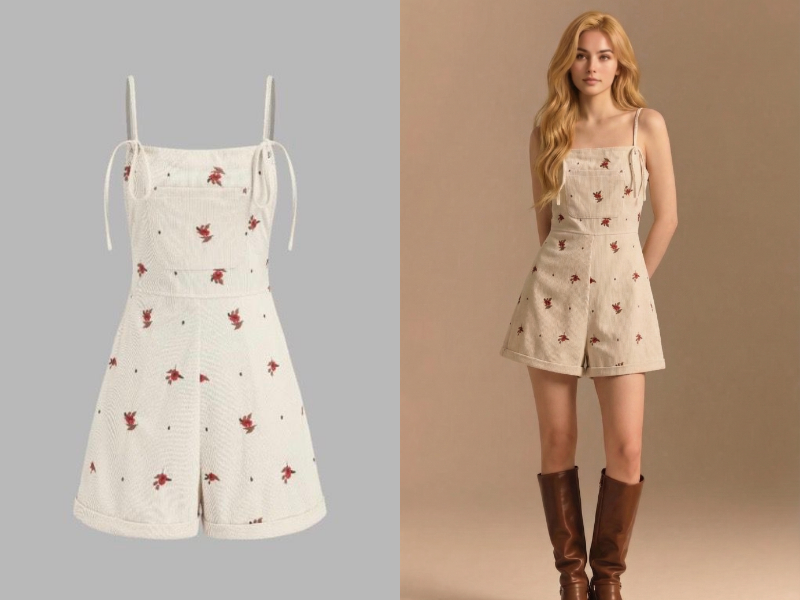
    How does AI fashion design compare to traditional fashion design workflows?

    Traditional fashion design requires manual sketching, sampling, and costly photoshoots. AI fashion design tools like Fashion Diffusion cut down time, reduce costs, and allow rapid experimentation with digital clothing prototypes.
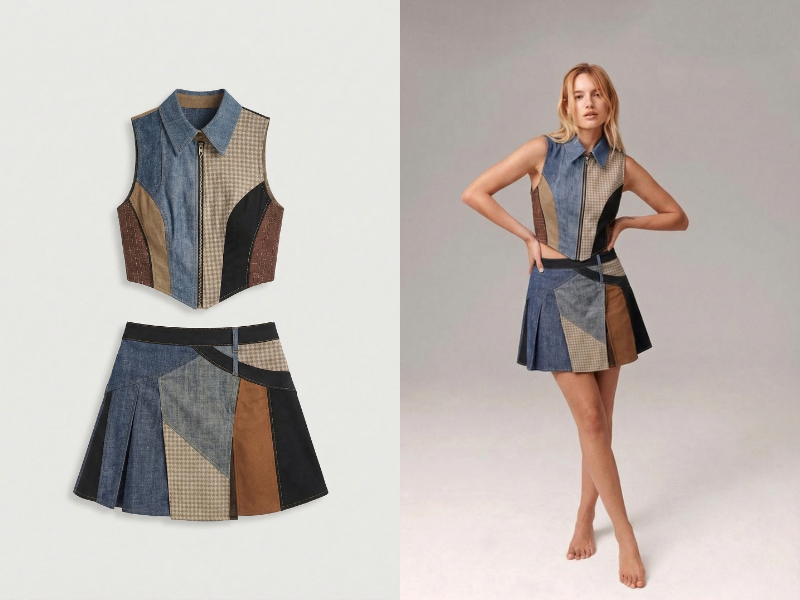
    How can AI tools benefit small fashion brands?

    AI reduces reliance on costly photoshoots and physical samples, helping small brands create professional visuals with minimal budgets.

    Can Fashion Diffusion be used for e-commerce?

    Yes. The virtual try-on and AI photo editing tools make it ideal for online stores needing product images, lifestyle visuals, and campaigns.

    Do I need design or AI experience to use Fashion Diffusion?

    No. The platform is beginner-friendly and built with simple controls, allowing anyone to create professional-grade fashion designs.